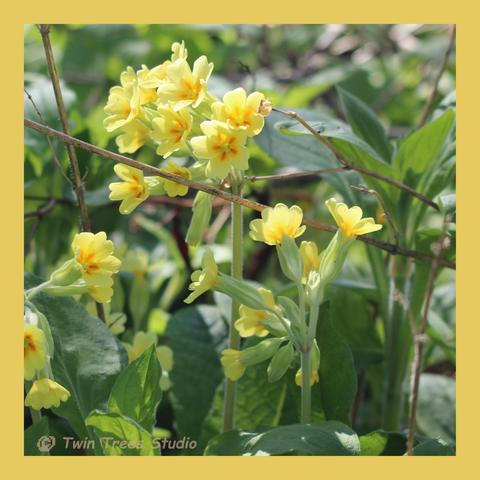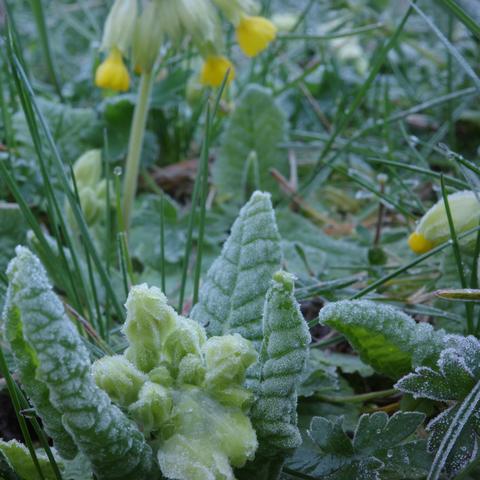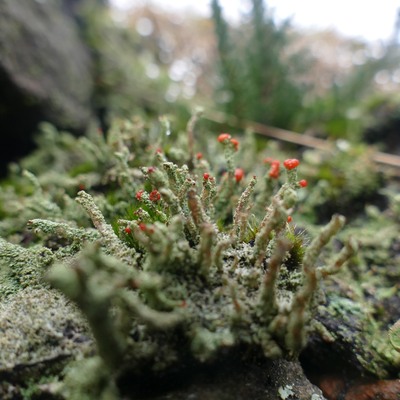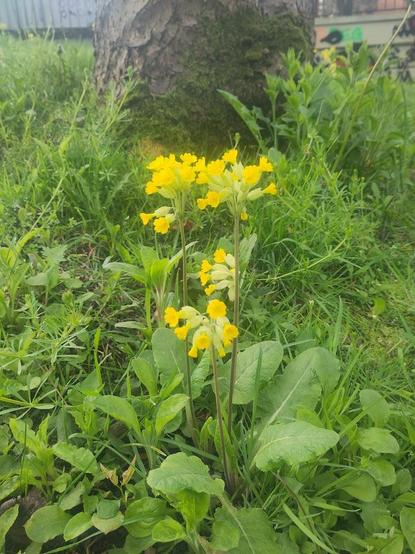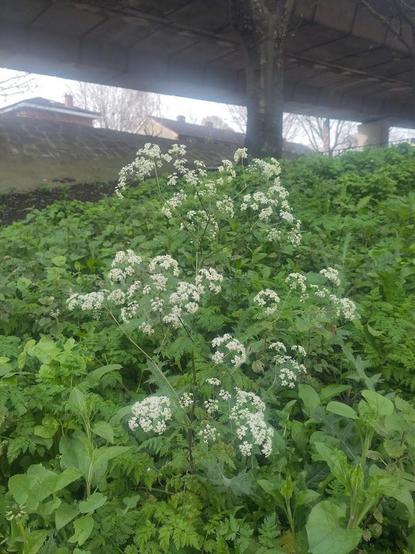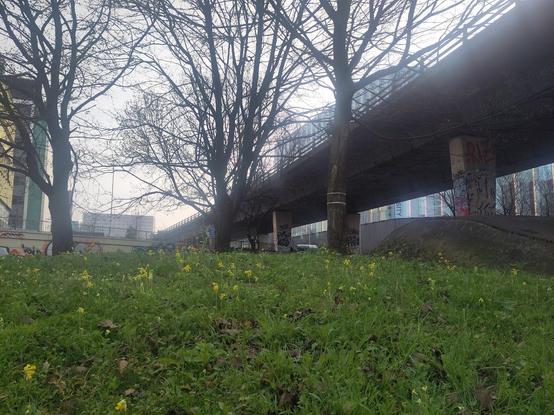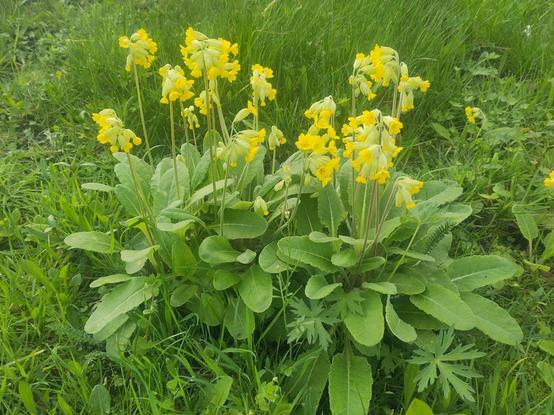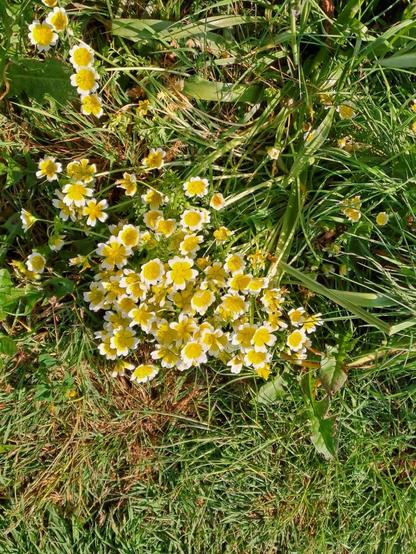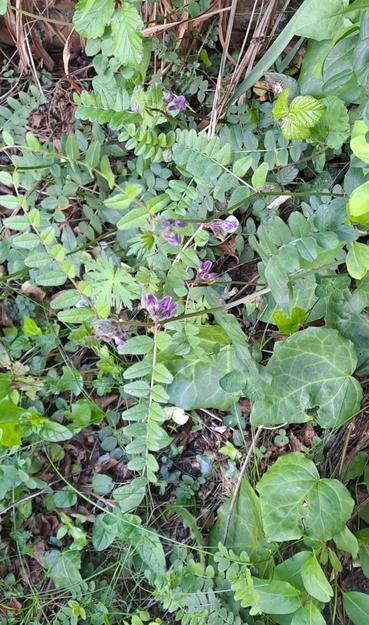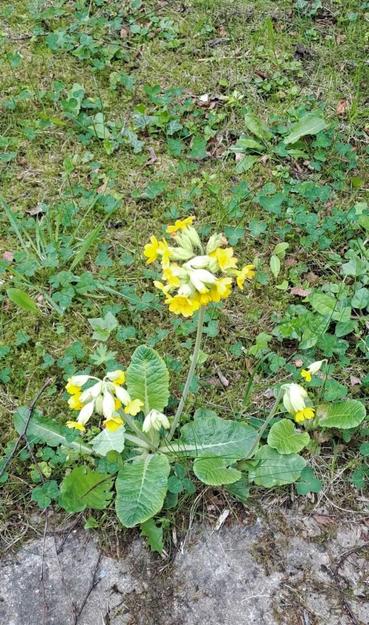
Monday Manchester Spring flowers down the underpass under the Mancunian Way
#SpringFlowers #Flowers #Cowslip #CowParsley #MancunianWay #Manchester #Hulme
Monday Manchester Spring flowers down the underpass under the Mancunian Way
#SpringFlowers #Flowers #Cowslip #CowParsley #MancunianWay #Manchester #Hulme
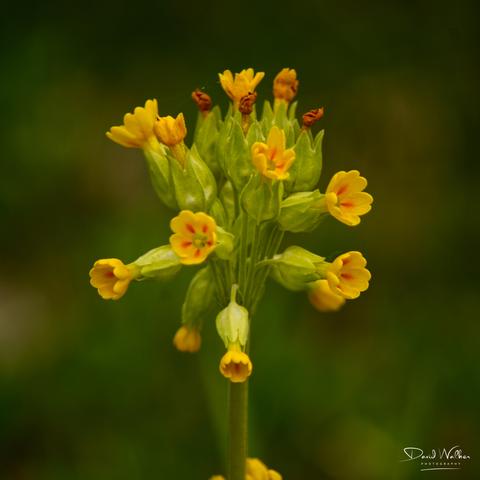
Cowslip (Primula veris) flowers, adding their own character to the Spring/Summer Burren carpet.
County Clare, Ireland.
Cormacscoast.com walking tours
#wildatlanticway #walkingtours #discoverireland #keepdiscovering #wildflowers #cowslip #Ireland
Botanical Garden
How many kinds of sweet flowers growThese are all wild flowers, often considered to be weeds, but I like having them in my garden!
Urocystis primulae ex Primula veris
#Primulaveris #Primula #Schlüsselblume #cowslip #Primevère #Urocystis #Urocystisprimulae #smut #smutfungus #brand #brandpilz #mushroom #mushrooms #fungus #fungi #pilz #pilze #champignons #champignon #nature #natur #FungiFriends
Happy Beltane to those who celebrate it. In 2023, I made this mixed-media artwork inspired by the Pagan tradition.
#AnimalArt #Animals #Art #Artwork #Beltane #Burn #Burning #Cauldron #Cervine #Cowslip #Deer #FediArt #Fire #Flame #Gorse #Handmade #Hawthorn #Holiday #Mammal #MastoArt #MayDay #Maypole #MixedMedia #Otherkin #Pagan #Reindeer #Spiritual #Spirituality #Therian #TraditionalArt #Tree #Walpurgisnacht #WheelOfTheYear #Willow
Orchids and cowslips
Between Morton and Edenham, Lincolnshire
Orchis mascula, the early purple orchid.
Primula veris, the cowslip
#WildFlowers #Orchid #Cowslip #Lincolnshire #Spring #roadside
23-Jan-2025
Thousands of European citizen scientists helped identify shifts in the floral traits of insect-pollinated #plants
The #cowslip observations were carried out with the help of citizen scientists from 32 countries in over 5,200 locations
https://www.eurekalert.org/news-releases/1071304 #science #ecology #pollination #CitizenScience
The results of cowslip observations carried out with the help of citizen scientists from 32 countries in over 5,200 locations shed light on the well-being of insect-pollinated plants under changing climate and land use conditions. The study was made possible thanks to the contribution of European science enthusiasts. It revealed some surprising results recently published in the Journal of Ecology, one of the longest-standing top-level journals in this field.