Corruption Perception Index Shows Improvement, PM’s Efforts Praised | Breaking News | Dawn News

📺 Watch Dawn News Live Stream: Corruption Perception Index Shows Improvement, PM’s Efforts Praised | Breaking News | Dawn News کرپشن انڈیکس میں بہتری وزیراعظم کی کوششوں کانتیجہ قرار #CorruptionIndex #CPI2025 #BilalAzharKayani #DawnNews #BreakingNews #LatestNews #newsheadlines #newsbulletins #exclusivecoverage #livenews #latestpakistannews #pakistannewstoday Dawn News Urdu |…

https://fllics.com/en/video/corruption-perception-index-shows-improvement-pms-efforts-praised-breaking-news-dawn-news/

Corruption Perception Index Shows Improvement, PM’s Efforts Praised | Breaking News | Dawn News

📺 Watch Dawn News Live Stream: https://www.youtube.com/watch?v=4C_dWCtpYdE Corruption Perception Index Shows Improvement, PM’s Efforts Praised | Breaking News | Dawn News کرپشن انڈیکس میں بہتری وزیراعظم کی کوششوں کانتیجہ قرار #CorruptionIndex #CPI2025 #BilalAzharKayani #DawnNews #BreakingNews #

Fllics

Revisiting bsdiff as a tool for digital preservation


by @beet_keeper

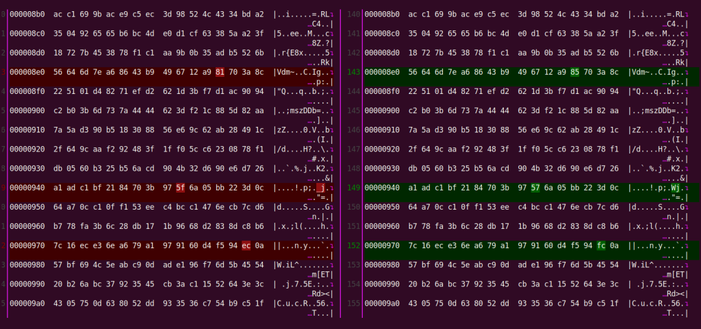
I introduced bsdiff in a blog in 2014. bsdiff compares the differences between two files, e.g. broken_file_a and corrected_file_b and creates a patch that can be applied to broken_file_a to generate a byte-for-byte match for corrected_file_b.

On the face of it, in an archive, we probably only care about corrected_file_2 and so why would we care about a technology that patches a broken file?

In all of the use-cases we can imagine the primary reasons are cost savings and removing redundancy in file storage or transmission of digital information. In one very special case we can record the difference between broken_file_a and corrected_file_b and give users a totally objective method of recreating corrected_file_b from broken_file_a providing 100% verifiable proof of the migration pathway taken between the two files.

Continue reading “Revisiting bsdiff as a tool for digital preservation”

#ac3 #archives #audio #audiovisual #audit #authenticity #av #bash #bsdiff #checksums #code4lib #corruption #corruptionIndex #digipres #digitalArchiving #digitalForensics #digitalLiteracy #digitalPreservation #digitalStorage #diplomatics #fileFormats #glitch #glitchAudio #glitchart #integrity #preservationAnalysis #preservationMetadata #provenance #sensitivityIndex #storage

MDPI as a corruption indicator? A new preprint shows a striking trend across Europe 🇪🇺: more MDPI papers → higher perceived corruption → lower innovation.

👉 https://arxiv.org/abs/2411.06282v1

It’s not that MDPI = bad. But when it dominates, it signals a broken system chasing quantity over quality.

Ukraine? 🇺🇦 Not in the study, but we see the same rise of #MDPI. We could build better. Instead, we copy the worst.

#AcademicPublishing #SciencePolicy #ResearchAssessment #Bibliometrics #CorruptionIndex

Two scholarly publishing cultures? Open access drives a divergence in European academic publishing practices

The current system of scholarly publishing is often criticized for being slow, expensive, and not transparent. The rise of open access publishing as part of open science tenets, promoting transparency and collaboration, together with calls for research assesment reforms are the results of these criticisms. The emergence of new open access publishers presents a unique opportunity to empirically test how universities and countries respond to shifts in the academic publishing landscape. These new actors challenge traditional publishing models, offering faster review times and broader accessibility, which could influence strategic publishing decisions. Our findings reveal a clear division in European publishing practices, with countries clustering into two groups distinguished by the ratio of publications in new open access journals with accelerated review times versus legacy journals. This divide underscores a broader shift in academic culture, highlighting new open access publishing venues as a strategic factor influencing national and institutional publishing practices, with significant implications for research accessibility and collaboration across Europe.

arXiv.org

The sensitivity index: Corrupting Y2K


by @beet_keeper

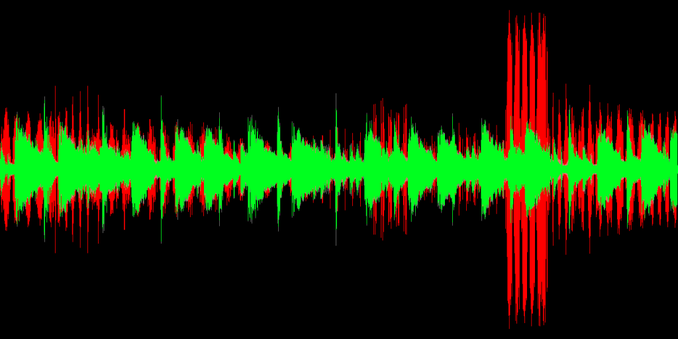
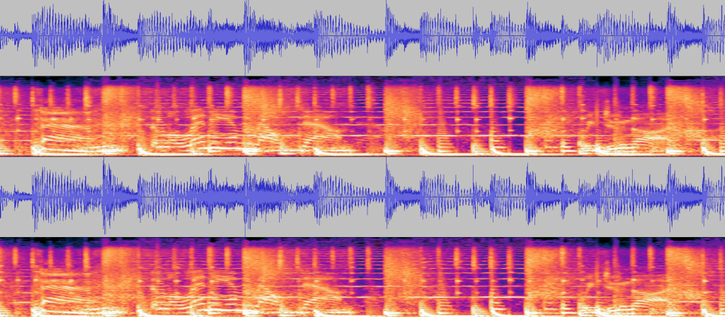
In December I asked “What will you bitflip today?” Not long after, Johan’s (@bitsgalore) Digtial Dark Age Crew released its long lost hidden single Y2K — well, I couldn’t resist corrupting it.

Fixity is an interesting property enabled by digital technologies. Checksums allow us to demonstrate mathematically that a file has not been changed. An often cited definition of fixity is:

Fixity, in the preservation sense, means the assurance that a digital file has remained unchanged, i.e. fixed — Bailey (2014)

It’s very much linked to the concept of integrity. A UNESCO definition of which:

The state of being whole, uncorrupted and free of unauthorized and undocumented changes.

Integrity is massively important at this time in history. It gives us the guarantees we need that digital objects we work with aren’t harboring their own sinister secrets in the form of malware and other potentially damaging payloads.

These values are contingent on bit-level preservation, the field of digital preservation largely assumes this; that we will be able to look after our content without losing information. As feasible as this may be these days, what happens if we lose some information? Where does authenticity come into play?

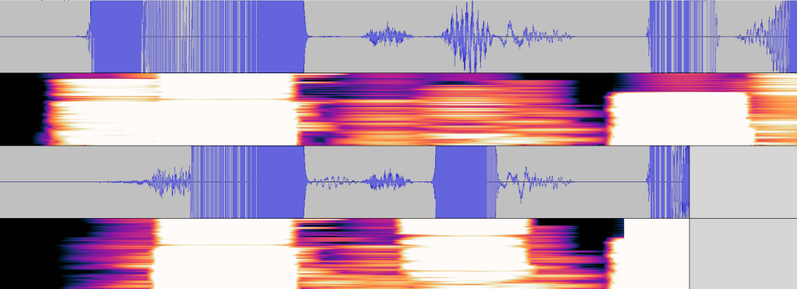
Through corrupting Y2K, I took time to reflect on integrity versus authenticity, as well as create some interesting glitched outputs. I also uncovered what may be the first audio that reveals what the Millennium Bug itself may have sounded like! Keen to hear it? Read on to find out more.

Continue reading “The sensitivity index: Corrupting Y2K”

#ac3 #archives #audio #audiovisual #authenticity #av #bash #checksums #code4lib #corruption #corruptionIndex #digipres #digitalArchiving #digitalLiteracy #digitalPreservation #diplomatics #fileFormats #flac #glitch #glitchart #glitchaudio #integrity #mp3 #sensitivityIndex #wav

Measuring #corruption isn’t as clear cut as many would believe.

Corruption primarily is about perception; often perceptions are shaped by anecdotes, stereotypes etc.

Not even these indices: GCB, CPI, BPI, BEEPS, TNI accurately capture an inherent hidden problem.

Also, do we consider countries that knowingly accept money derived from corruption into their financial institutions equally culpable?

E.g. #Switzerland , #Britain , #Bahamas , #Cyprus

#corruptionindex #CorruptionPerceptionsIndex

भ्रष्टाचार के मामले में भारत में नहीं हुआ सुधार, पिछले साल की तुलना में और बढ़ा, जानिए कौन सा देश सबसे ज्यादा करप्ट
#CorruptionIndex #India #TranspancyInternational #CorruptionInIndia #dwsamachar

https://dwsamachar.com/2024/01/31/corruption-index-india-ranks-93-among-180-nations/

भ्रष्टाचार के मामले में भारत में नहीं हुआ सुधार, पिछले साल की तुलना में और बढ़ा, जानिए कौन सा देश सबसे ज्यादा करप्ट - DW Samachar

भ्रष्टाचार के मामले में भारत में नहीं हुआ सुधार, पिछले साल की तुलना में और बढ़ा, जानिए कौन सा देश सबसे ज्यादा करप्ट

DW Samachar
'Noisy Reporting' by Media of COVID Financial Scandals led to UK's Slump in Corruption Index, Cabinet Office Claims – Byline Times

A new parliamentary report reveals that, apart from the £16.4 billion estimated tax and benefit fraud found by the National Audit Office last year, ministers have no idea about the level of fraud in the rest of government

Byline Times

Excellent stuff!

Corruption index? Heading up the charts with Qatar in our sights!

"Invest in Britain! We'll let you do whatever the fuck you want!"

#Brexit #torycorruption #Tories #londongrad #ToryRussianMoney #RishiSunak #RishiSnake #arronbanks #Corruption #corruptionindex #moneylaundering

https://youtube.com/watch?v=jz5jUMVfJP4&feature=share

Why Not Invest In The UK? - Larry and Paul

YouTube
UK drops down global corruption index after string of scandals

Transparency International warns of UK’s ‘woeful inadequacies’ as Qatar, UAE and Russia slide down list

The Guardian
India slips two places on global corruption perception index

Opaque political financing, lobbying by corporate interests has caused control of corruption to fall in democracies like India and Australia, notes Transparency International