 Rob Pegoraro
My growing retired-transit-card collection
A year ago, this week’s work trip to the Bay Area would have meant breaking out the oldest computer that I was still using with any regularity at the time: the Clipper card that I bought in June of 2012 to pay for fares on BART, Muni and other transit agencies around San Francisco.
But this year, I could leave that NFC-enabled smart card in the little holder in which I store my other stored-value transit cards and instead tap my phone to pay with my business credit card for each ride–first a SamTrans bus from SFO to Millbrae, then Caltrain to San Jose for TechEx North America, then two days of commuting up and down the peninsula for Google I/O.
BART started accepting contactless payments last August, and now all the Bay Area transit services that accept Clipper cards also let you tap to pay with a phone, a smartwatch or a credit or debit card with an NFC chip.
Whether you call it “tap to pay,” “open payments” or “open loop,” letting people pay for a fare as if it were any other on-the-go purchase is a great advance for transit. Especially for out-of-towners, as I realized years ago when visiting Chicago and Portland and appreciating the early lead of their transit services in this key bit of CX.
A growing array of agencies across the U.S. have finally wised up to this after years of requiring people to buy proprietary stored-value cards, install agency-specific apps or make a throwback cash payment: Metro, NYC’s MTA, the T in Boston, NJ Transit buses and light rail, SEPTA around Philadelphia, MARTA in Atlanta, and the Seattle region’s Sound Transit, among many others.
L.A.’s Metro has been a high-profile laggard–a personally inconvenient one since my TAP card expired last year. But this week users have begun reporting success on Reddit and in Bluesky posts with using their phones and credit cards to cover train and bus fares now that Metro there seems to have begun a soft launch of what it calls “TAP Plus.”
As I’ve spent down the balance on transit cards I no longer need, the ones that I still need to use are now most entirely confined to agencies in other countries. Some examples: I love Barcelona’s Metro but I don’t love how it doesn’t support tap to pay; Doha’s driverless metro is a technological marvel but also requires its own colorful card; Vancouver’s Compass Card offers enough of a discount over tap-to-pay rates (because that city didn’t follow Toronto’s fare-neutral example) that I picked up one for last year’s Web Summit conference there and used it again for this year’s event.
But there is one awkward exception right in my neighborhood: Arlington Transit, which continues to require the SmarTrip card that WMATA rolled out in 1999. So while I can pay for Metro like it’s the 21st century, I still have to keep my well-worn SmarTrip card handy in case an ART bus rolls up before a Metro bus does.
#ApplePay #ArlingtonTransit #ARTBus #BART #Caltrain #CharlieCard #ClipperCard #GoogleWallet #MBTA #Metro #NFCPayments #openLoop #openPayments #SmarTrip #tapToPay #TheT #transit #transitApps #transitCards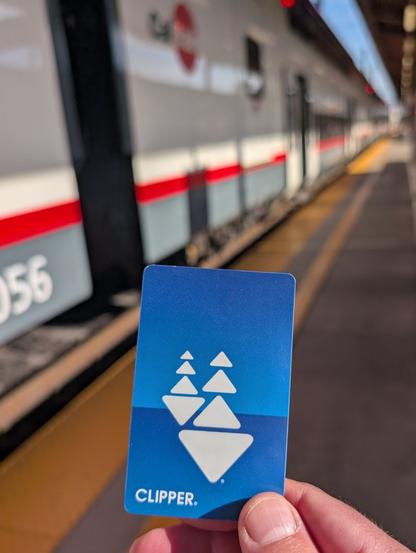
 Three
Three AndThisIsMrsPeacock 🏳🌈
 PUCE TRAILBLAZER
 Benjamin Carr, Ph.D. 👨🏻💻🧬
 Freemind
 srepetsk