U.S. intelligence agency launches biodegradable drone research

The core technical problem IARPA is trying to solve is straightforward in concept but formidable in execution: build drone engines and motors out of materials that perform reliably during a mission, then break down on their own afterward, leaving little or no physical trace. Current drone propulsion components — turbine blades, motor housings, combustion chambers,

Defence Blog

Plastic pollution in shooting ranges and warfare areas - an overlooked environmental issue

"Shooting ranges and military training fields, including warfare-impacted areas, have been widely recognized as environmentally impacted zones by inorganic and organic contamination, such as heavy metals, polycyclic aromatic hydrocarbons or explosive-related compounds. However, the possible contamination by plastics and #microplastics in soil has been widely overlooked despite potential plastic sources, such as #ShotgunCartridges, plastic wads or landmines. Due to how these activities occur, plastics have remained in the field for decades or centuries, favoring their conversion from macro to microplastics, polluting the soil and water resources. Moreover, shooting and recreational activities such as #airsoft or #paintball practices could also be a substantial source of plastics to ecosystems; once shot, pellets can have conventional or biodegradable plastics in their composition, and there left in the environment, favouring impacts on soil properties. Although some initiatives have emerged to avoid the use of single-use plastics in shotgun #ammunition, alternative materials (#biodegradable plastics) can also be a potential risk, favouring the heavy metal bioavailability of shot pellets. These emerging pollutants should also be considered in these areas to understand if they could be a potential source of micro- and nanoplastics to the environment and, therefore, an environmental concern that requires changes at industrial and regulatory levels."

https://www.sciencedirect.com/science/article/pii/S0013935125008771

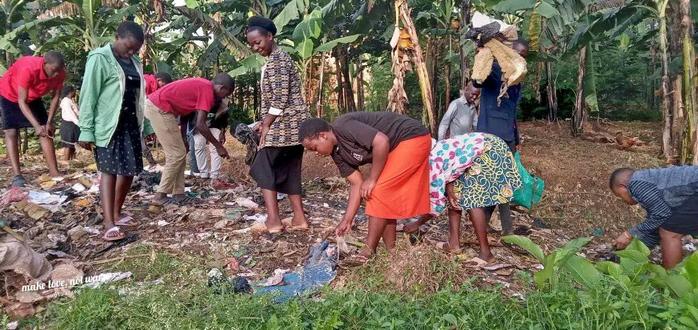
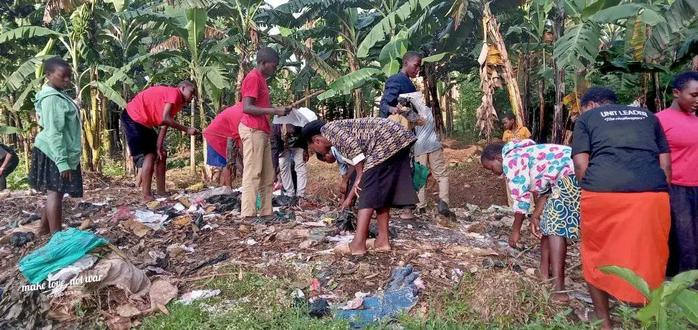
Young people play a vital role in protecting the #environment and supporting sustainable #food production.Here, we are carefully separating #biodegradable and non-biodegradable materials, a practice known as #waste management Biodegradable materials, can decompose naturally and be transformed into compost manure that enriches the soil. This process is essential for improving #soil fertility and increasing #crop production sustainably
#climateAction #photography #nature #mastodon #socialimpact
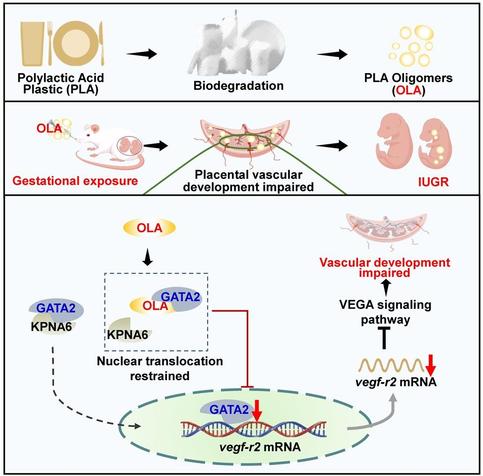
#PolylacticAcid is a #biodegradable #plastic that can be broken down into oligomeric lactic acid (OLA) #nanoplastics. This study shows that OLA particles can accumulate in the #placenta & #fetus in pregnant mice, inducing placental vascular dysplasia & fetal growth restriction @PLOSBiology https://plos.io/4bR4e6W
Why compostable packaging fails

Compostable packaging only works with industrial composting and correct disposal, conditions most waste systems lack.

Packaging Gateway
Japan's Breakthrough In Biodegradable Plastic Could Change Everything - BGR

Plastic pollution is a problem, and scientists have been searching for biodegradable options for years. But this novel material might just be the solution.

BGR

Revue de presse : quand la cellulose conjugue les plastiques au passé et au futur

https://www.usinenouvelle.com/polymeres-materiaux/materiaux/cellulose/revue-de-presse-quand-la-cellulose-conjugue-les-plastiques-au-passe-et-au-futur.WDZC2MDJ7NHCBMLC6XKCETCIOM.html

> Des chercheurs japonais ont mis au point un plastique biodégradable à base d’éther de cellulose et de chlorure de choline.

#plastique #biodegradable #cellulose #japon

Revue de presse : quand la cellulose conjugue les plastiques au passé et au futur

Des chercheurs japonais ont mis au point un plastique biodégradable à base d’éther de cellulose et de chlorure de choline.

L'Usine Nouvelle
(This post is being modified)