VTuber事務所AMATERASUが「ひきこもり」をコンセプトとしたコラボオーディションを開始
https://www.moguravr.com/amaterasu-hikikomori-teikoku-audition/

#moguravr #VTuber #AMATERASU

VTuber事務所AMATERASUが「ひきこもり」をコンセプトとしたコラボオーディションを開始

VPSLは1月5日より、事務所AMATERASUのオーディションを開催します。期間は1月31日の23時59分までです。アイドルユニット「緋鬼籠帝國」との共同プロジェクトとして、新ユニット「HydrangeV」の初期メンバ […]

MoguLive

Aa ma te ra çu mi o ya no ka mi no mi çu ma ru no.
Ino chi i te ra shi ku ni shi zu ka na ri.!

#chant #japan #japanese #prayer #pray #amaterasu #sun #goddess

Three Sacred Treasures

This is the imperial regalia of Japan. They consist of: the sword (Kusanagi no Tsurugi), the mirror (Yata no Kagami), & the jewel (Yasakani no Magatama).

They represent the 3 main virtues: valor (the sword), wisdom (the mirror), & benevolence (the jewel).

The historical status of the Sacred Treasures isn’t known. The treasures are kept from public view, intentionally, to symbolize authority.

According to legends, these treasures were brought to Earth by Ninigi-no-Mikoto, legendary ancestor of the Japanese imperial line. When his grandma Amaterasu, the sun goddess, sent him to pacify Japan.

These treasures were eventually said to be passed down to Emperor Jimmu, who was the 1st Emperor of Japan & Ninigi’s great-grandson.

Traditionally, they were a symbol of the emperor’s divinity as a descendant of Amaterasu. This confirms his legitimacy as the paramount ruler of Japan. The 3 Treasures are a symbol that the Emperor should unite the ethnic groups without discrimination.

When Amaterasu hid in a cave from her, Susanoo-no-Mikoto, plunging the world into darkness, the goddess Ame-no-Uzume-no-Mikoto hung the mirror & jewels outside the cave & lured her out of hiding.

When she came out of the cave, Amaterasu was so startled by her reflection in the mirror that it gave the gods an opportunity to get her the rest of the way out of the cave.

Susanoo later gave Amaterasu the sword, Kusanagi, to Amaterasu as a token of apology. Susanoo got the sword from the body of an 8-headed serpent, Yamata no Orochi.

The Imperial Regalia (3 Sacred Treasures) are VERY important. Emperor Hirohito told Koichi Kido on July 35 & 31, 1945 (at the end of WWII), the Emperor ordered the Lord Keeper of the Privy Seal of Japan to protect them “at all costs.”

When the Supreme Commander for the Allied Forces got to Japan, Emperor Hirohito’s greatest fear was that the 3 Sacred Treasures would go to the enemy. The Emperor even expressed his readiness to jump into the sea with the treasures & die, if it would come to that.

Since 690, the presentation of these 3 things to the Emperor by the priests at the shrine has been the main event of the enthronement ceremony, or coronation. This ceremony isn’t public. Also these items are traditionally seen only by the Emperor & certain priests.

Their individual locations aren’t actually known. It’s thought that the sword is located at the Atsuta Shrine in Nagoya, the jewel’s at the 3 Palace Sanctuaries in Kokyo (the Imperial Palace in Tokyo), & the mirror is at the Ise Grand Shrine in Mie Prefecture.

Their 1st post-WWII enthronement ceremony appearance happened during the ascension & enthronement of Akihito in 1989 & 1990. Except for their presence during the enthronement of Emperor Naruhito. He formally took possession of the regalia in a brief ceremony of May 1, 2019.

The Treasures themselves were never seen during these public occasions. They were shrouded from view in boxes or packages. When the Treasures aren’t performing their ceremonial purposes, their alleged locations are off-limits to the public at large.

One-Time Monthly Yearly

Make a one-time donation

Make a monthly donation

Make a yearly donation

Choose an amount

$1.00 $5.00 $10.00 $1.00 $5.00 $10.00 $5.00 $10.00 $15.00

Or enter a custom amount

$

Your contribution is appreciated.

Your contribution is appreciated.

Your contribution is appreciated.

DonateDonate monthlyDonate yearly

#1May2019 #1945July25 #1990 #25July1945 #30April2019 #31July1945 #690 #Akihito #Amaterasu #AmeNoUzumeNoMikoto #AtsutaShrine #Benevolence #Coronation #EmperorHirohito #EmperorJimmu #EmperorNauhito #EnthronementCeremony #ImperialPalace #ImperialRegalia #IseGrandShrine #Japan #Jewel #KoichiKido #Kokyo #KusanagiNoTsurugi #LordKeeperOfThePrivySealOfJapan #MiePrefecture #Mirror #Nagoya #Priests #SunGoddess #SupremeCommanderForTheAlliedForces #SusanooNoMikoto #Sword #ThreePalaceSancturies #ThreeSacredTreasures #Tokyo #Valor #Wisdom #YamataNoOrochi #YasakaniNoMagatama #YataNoKagami

I'm soooo late I'll do better promise  

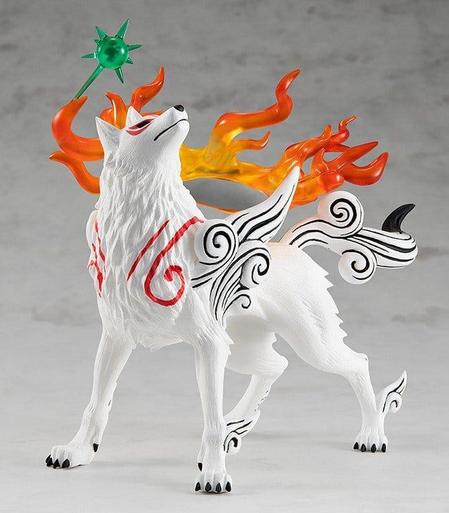
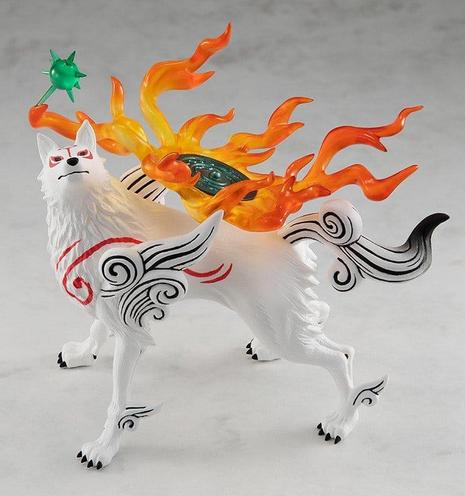
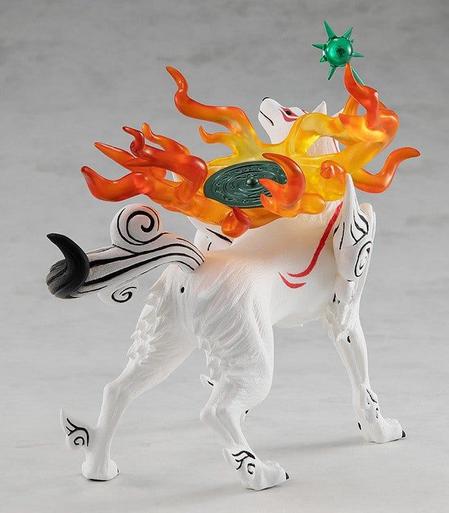
ft. Amateratsu from Okami

#nurutober #artober #Furry #FurryArt #wolf #amaterasu #okami #rebirth

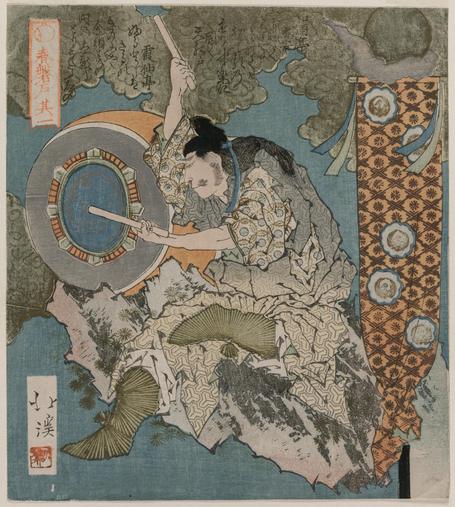
Tengu

Tengu literally means “Heavenly Dog.” These are a type of legendary creature found in the Shinto belief. They’re considered a type of yokai (supernatural beings) or Shinto kami (gods or spirits). The tengu were originally thought to take the forms of birds of prey & a monkey deity. They were traditionally shown with human, monkey, & avian/bird characteristics.

Sarutahiko Okami is considered to be the original model for Konoha-Tengu. This is a supernatural creature with a red face & long nose. Today, this is widely considered the tengu’s defining characteristics in popular imagination.

He’s the Shinto monkey deity who’s said to shed light on Heaven & Earth. Some experts theorize that Sarutahiko was a sun god worshipped in the Ise region prior to the popularization of Amaterasu.

Buddhism had long held that the Tengu were unruly demons & harbingers of war. Their image gradually softened into 1 of protective, if still dangerous spirits of the mountains & forests. Tengu is associated with the ascetic practice of Shugendo. They’re usually shown in the clothes of its followers, the yamabushi.

The tengu appears in a variety of shapes in art. It usually falls somewhere in between a large, monstrous bird & a wholly anthropomorphized being. It’s often with a red face or an unusually large or long nose.

The early representations of tengu show them as kite-like beings who can take a human-like form. Often they keep avian/bird wings, heads, or beaks. This feature allies with the Sarutahiko Okami. Sarutahiko Okami is described in the 720 CE text, the Nihon Shoki, with a similar nose measuring 7 hand-spans in length. In village festivals, the 2 figures are often nose-portrayed with identical red phallic-nosed mask designs.

Tengu are often shown as taking the facade of a priest. Beginning in the 13th century, tengu came to be associated in particular yamabushi. These were the mountain ascetics who practiced/practices Shugendo.

This eventually found its way into Japanese art, where tengu are frequently shown in the yamabushi’s unique costume. The costume included uncommon headwear called the tokin & a pompom sash (yuigesa). Because of their priestly aesthetic, they’re often shown employing the khakkhara. This is a distinct staff used by Buddhist monks, called a shakujo in Japanese. Tengu are commonly shown holding a magical feather fan (hauchiwa).

In folk tales, these fans sometimes can grow or shrink a person’s nose. But usually they’ve attributed the power to stir up great winds.

The Konjaku Monogatarishu is a collection of stories, that was published in the late Heian period. It has in it some of the earliest tales of the tengu. These tengu are troublesome opponents of Buddhism, who mislead the pious with false images of the Buddha, carrying off monks, & drop them in remote places, possess women in an attempt to tempt holy men, rob temples, & gift those who worship them with unholy power. They often disguise themselves as priests as priests or nuns. But their true form seems to be that of a kite.

One infamous tengu from the 12th century was himself the ghost of an emperor. The Hogen Monogatari tells the story of Emperor Sutoku. He was forced by his father to abandon the throne. When he later raised the Hogan Rebellion to take back the country from Emperor Go-Shirakawa, he was defeated & exiled to Sanuki Province in Shikoku.

According to legend, he died in torment, having shown to haunt the nation of Japan as a great demon. Thus becoming a fearsome tengu with long nails & eyes, like a kite’s.

In stories from the 13th century, tengu began to abduct young boys, as well as priests that they’ve always targeted. The boys returned, while the priests would be found tied to the top of the trees or other high places. All of the tengu’s victims would come back in a state near death or madness. Sometimes after having been tricked into eating animal dung/poop.

The tengu of this period were frequently conceived of as the ghosts of the arrogant. As the creatures have become associated with vanity & pride. Today, the Japanese expression tengu ni naru (“becoming a tengu”) is still used to describe a conceited person.

One-Time Monthly Yearly

Make a one-time donation

Make a monthly donation

Make a yearly donation

Choose an amount

$1.00 $5.00 $10.00 $1.00 $5.00 $10.00 $5.00 $10.00 $15.00

Or enter a custom amount

$

Your contribution is appreciated.

Your contribution is appreciated.

Your contribution is appreciated.

DonateDonate monthlyDonate yearly

#12thCentury #13thCentury #Amaterasu #BirdsOfPrey #Buddha #Buddhism #BuddhistMonks #Emperor #EmperorGoShirakawa #EmperorSutoku #harbinger #Hauchiwa #HeavenlyDog #HeianPeriod #HoganRebellion #IseRegion #Kami #Khakkhara #Kite #KonjakuMonogatarishu #KonohaTengu #MonkeyGod #Monks #NihonShoki #Priest #SanukiProvince #SarutahikoOkami #Shakujo #Shikoku #Shinto #Shugendo #Tengu #TenguNiNaru #Tokin #Yamabushi #Yokai #Yuigesa

✨ Discover the eternal light of Amaterasu-Ōmikami, the Sun Goddess of Shinto. From celestial threads of sunlight to the sacred mirror that reflects divine power, her story illuminates life itself. 🌅🪞

Read more on my blog: https://aoiwave.wordpress.com/2025/09/22/amaterasu-omikami-the-eternal-dance-of-divine-light/

#Amaterasu #Shinto #DivineLight #JapaneseMythology #Spirituality #AnimeInspired #EternalLight

Amaterasu-Ōmikami: The Eternal Dance of Divine Light

Each morning, as I light the sacred candles at our shrine, I feel Her presence wash over the world like silk unfurling across the heavens. Amaterasu-Ōmikami, our beloved Sun Goddess, begins her ete…

@aoiwave 🌸

A newly discovered mineral, Amaterasuite, has been found in Japan’s national stone, jadeitite. Named for the sun goddess Amaterasu, it reflects both groundbreaking science and deep cultural ties to Shinto spirituality and Japanese heritage.

https://wildhunt.org/2025/08/a-new-mineral-discovered-in-japans-national-stone-named-for-amaterasu.html

#geology #amaterasu #shinto #jadeite #science #mineral

A New Mineral Discovered in Japan’s National Stone Named for Amaterasu

A newly discovered mineral, Amaterasuite, has been found in Japan’s national stone, jadeitite. Named for the sun goddess Amaterasu, it reflects both groundbreaking science and deep cultural ties to Shinto spirituality and Japanese heritage.

The Wild Hunt