18 Followers
16 Following
39 Posts
Work, worms, weather, repeat. Planarian distribution. Keeper of microscope herd. IT rat at day, lab rat at night. http://brmlab.s0c4.net/bioosm
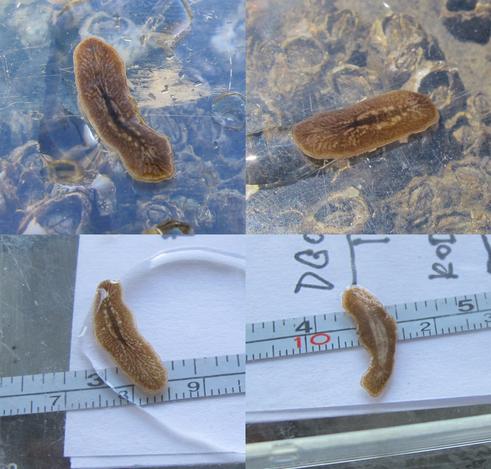
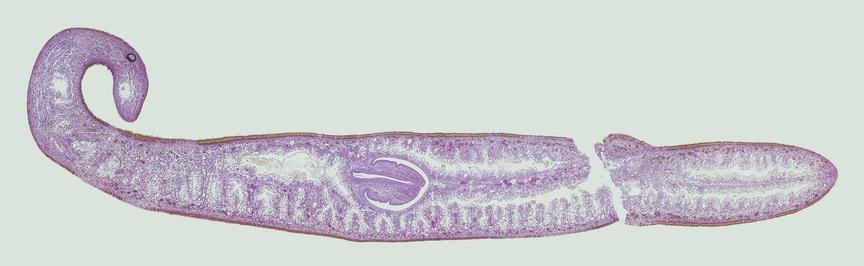
Rhynchodemus sylvaticus- sample 248R_6 - sexually immature specimen with an arthropod in the intestine lumen. Mallory Hendeinlan, 25x0.8. Those samples will be released with new website sometimes next month, development still going on. Stay tuned ;]
#histology #invertebrate #microscopy#planarian
It's #FlatwormFriday, check out this gem which appeared on iNat yesterday. #invertebrates

https://www.inaturalist.org/observations/202411961

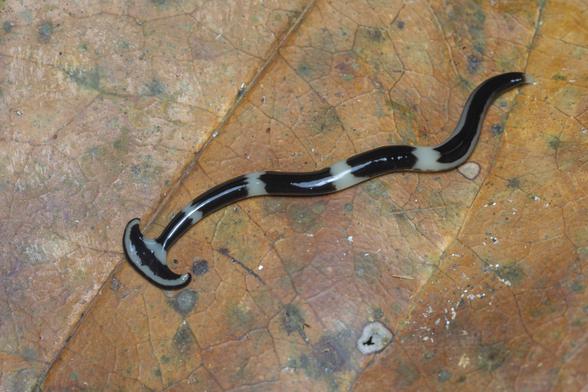
Humbertium depressum

Humbertium depressum from Valparai, Tamil Nadu 642127, India on June 3, 2023 at 10:46 PM by P. S. Sivaprasad

iNaturalist
It's Friday, let's have
#FlatwormFriday
. I have few rare #polyclad records in my collection, there is very latest acquisition. Meet this member of Notocomplanidae family from Lota, Chile. #planarian #flatworm

Early #FlatwormFriday

Nymphozoon cinderella sp. nov. (Platyhelminthes: Polycladida: Pseudocerotidae), a new species of marine #flatworm from Japan

http://www2.chiba-muse.or.jp/www/UMIHAKU/contents/1708238260943/index.html

伊豆と千葉からヒラムシの新種発見! - 千葉県立中央博物館分館 海の博物館

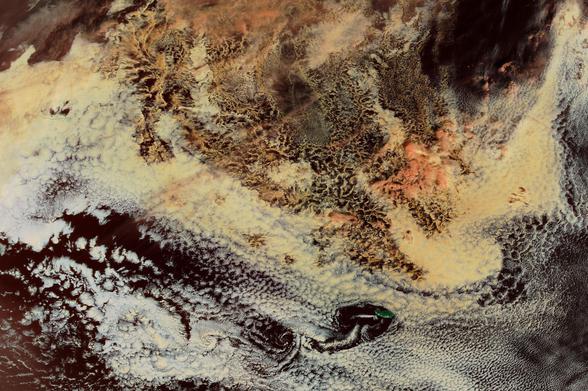
#Madeira making von Karman vortices + some actinoform clouds are nearby #remotesensing #weather https://go.nasa.gov/3wvv6bC
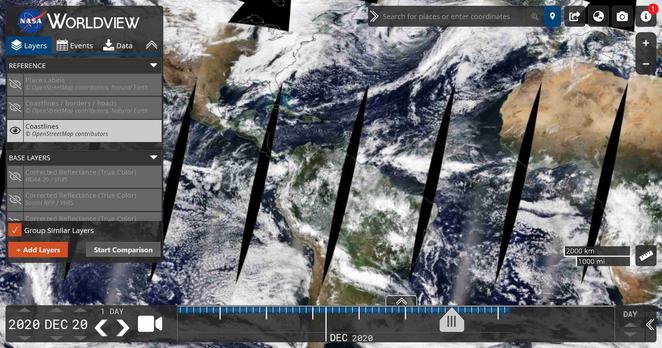
Worldview: Explore Your Dynamic Planet

The NASA Worldview app provides a satellite's perspective of the planet as it looks today and as it has in the past through daily satellite images. Worldview is part of NASA’s Earth Science Data and Information System. ESDIS makes the agency's large repository of data accessible and freely available to the public.

Worldview
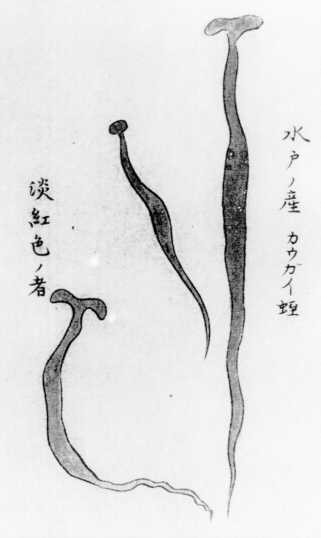
Sometimes there are hidden gems on internet. Here, enjoy oldest mentions of bipaliids in China and Japan http://www2u.biglobe.ne.jp/~gen-yu/kougai_e.html
Bipaliid Land Planarians Recorded in Chinese and Japanese Materia Medica

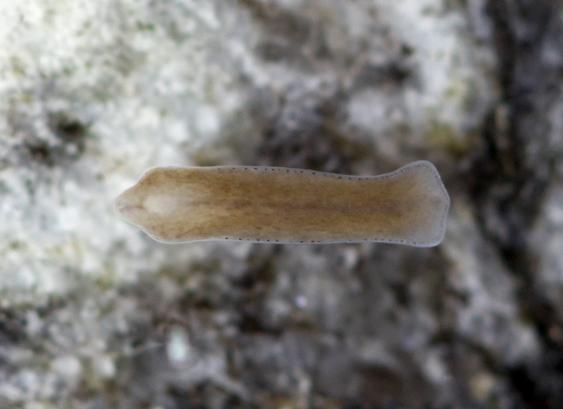
I attended the #zoodny2024 conference in recent days. My question: Does that place also have planarians? (I'm not counting the ones present on my poster!) Of course, it does have #planarians; the river is cca 100 m from the venue. Here's a regenerating Polycelis sp. from Ostrava.
Staining quality control, direct experience with stained species assured

#Flatworm #parasitology saga continues - now in marine microturbellarians

https://www.nature.com/articles/s41598-023-48233-y

Patterns of host-parasite associations between marine meiofaunal flatworms (Platyhelminthes) and rhytidocystids (Apicomplexa) - Scientific Reports

Microturbellarians are abundant and ubiquitous members of marine meiofaunal communities around the world. Because of their small body size, these microscopic animals are rarely considered as hosts for parasitic organisms. Indeed, many protists, both free-living and parasitic ones, equal or surpass meiofaunal animals in size. Despite several anecdotal records of “gregarines”, “sporozoans”, and “apicomplexans” parasitizing microturbellarians in the literature—some of them dating back to the nineteenth century—these single-celled parasites have never been identified and characterized. More recently, the sequencing of eukaryotic microbiomes in microscopic invertebrates have revealed a hidden diversity of protist parasites infecting microturbellarians and other meiofaunal animals. Here we show that apicomplexans isolated from twelve taxonomically diverse rhabdocoel taxa and one species of proseriate collected in four geographically distinct areas around the Pacific Ocean (Okinawa, Hokkaido, and British Columbia) and the Caribbean Sea (Curaçao) all belong to the apicomplexan genus Rhytidocystis. Based on comprehensive molecular phylogenies of Rhabdocoela and Proseriata inferred from both 18S and 28S rDNA sequences, as well as a molecular phylogeny of Marosporida inferred from 18S rDNA sequences, we determine the phylogenetic positions of the microturbellarian hosts and their parasites. Multiple lines of evidence, including morphological and molecular data, show that at least nine new species of Rhytidocystis infect the microturbellarian hosts collected in this study, more than doubling the number of previously recognized species of Rhytidocystis, all of which infect polychaete hosts. A cophylogenetic analysis examining patterns of phylosymbiosis between hosts and parasites suggests a complex picture of overall incongruence between host and parasite phylogenies, and varying degrees of geographic signals and taxon specificity.

Nature