| Website | https://www.gesis.org/en/institute/staff/person/joss.rossmann |
| Google Scholar | https://scholar.google.de/citations?user=TbGXb0gAAAAJ&hl=de |
| ORCID | https://orcid.org/0000-0003-2701-0690 |

| Website | https://www.gesis.org/en/institute/staff/person/joss.rossmann |
| Google Scholar | https://scholar.google.de/citations?user=TbGXb0gAAAAJ&hl=de |
| ORCID | https://orcid.org/0000-0003-2701-0690 |
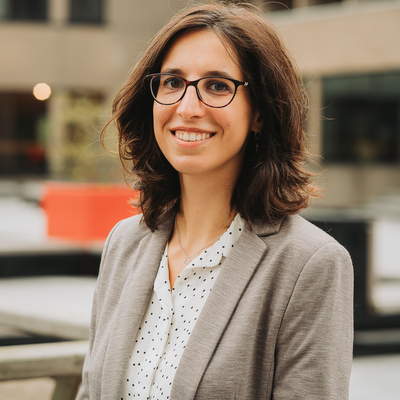
Sociologist at GESIS working with EU-SILC in @fdzgml.bsky.social. Research interests: econometrics, survey methodology, sociology of wealth, family sociology, integration/migration, ethnic segregation. Besides this interested in ttrpg & 🌻. Typos galore
Call for papers!
The Journal of #Survey #Statistics and #Methodology seeks submissions for a special issue on "Innovations in Mixed-Mode Surveys."
Guest Editors: Stephanie Coffey, Cameron McPhee, and Olga Maslovskaya
Submit papers by March 31, 2023.
Please share widely!
@surveystatisticsandmethodology
Read more here:
https://academic.oup.com/jssam/pages/call-for-submissions-innovations-in-mixed-mode-surveys
New 📝 at PSRM
@[email protected], @[email protected], @andyguess @[email protected], and I use survey and web-tracking data to check if people "Google" the answers to political knowledge questions in online surveys.
🔗 https://doi.org/10.1017/psrm.2022.42
🔓 https://osf.io/sw6f3
TL;DR
Searches in online surveys are a "thing". There are correlates, but it's difficult to correct for them without tracking. Cheating may not distort inference and there are survey design choices that can curb it.