So, I assumed wrongly that people here would know better, but it appears that many people still believe the "#EVs are worse for the environment than #ICE cars when you look at their whole lifecycle". So time for a #thread on #BEV cars.

1) There have been *countless* studies on the topic - start browsing:

https://scholar.google.com/scholar?hl=en&as_sdt=0%2C5&q=electric+vehicle+life+cycle&btnG=

I recommend limiting by date=2022, because these numbers go obsolete *very* fast:

https://scholar.google.com/scholar?as_ylo=2022&q=electric+vehicle+life+cycle&hl=en&as_sdt=0,5

(More)
Google Scholar

Even your average 2022 study on #EV lifecycle emissions will generally be already obsolete by the time it's published - not simply due to publishing delays, but because studies tend to rely on sourcing that is itself years old. But the problem is not so much that the grid is constantly getting cleaner (below), but rather, that #EV manufacturing emissions have fallen like a rock.

Due to the wealth of studies, you can always find a contrarian one, and whenever any happens, anti-#EV news articles spread like wildfire. A typical debunking of one:

https://twitter.com/aukehoekstra/status/1559237660866224129

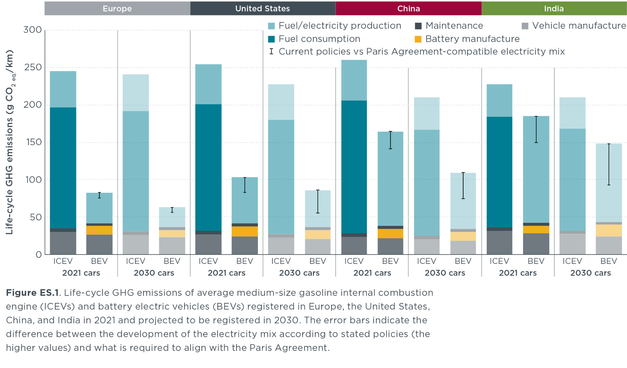
A rather "typical" modern paper on #BEV lifecycle #emissions by contrast will come up with a result like the below:

https://theicct.org/publication/a-global-comparison-of-the-life-cycle-greenhouse-gas-emissions-of-combustion-engine-and-electric-passenger-cars/

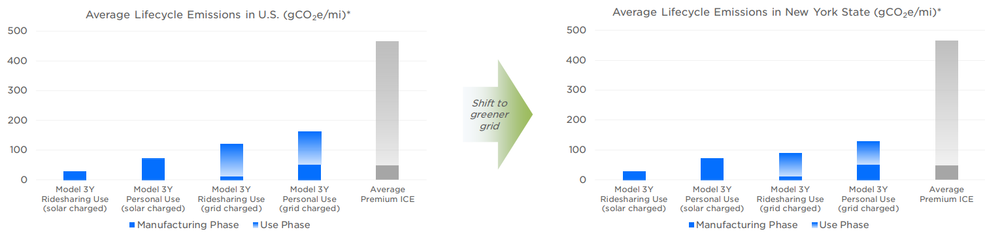
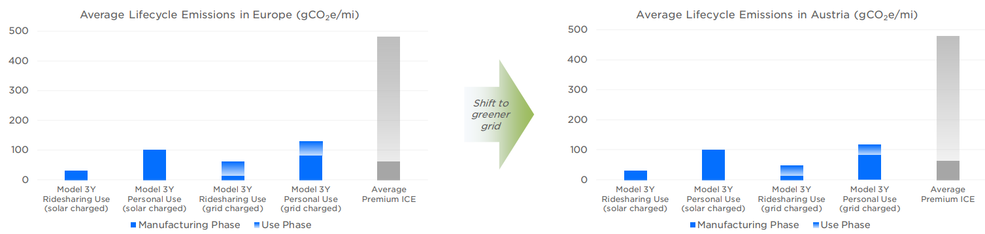
For more up-to-date numbers, we can turn to manufacturers themselves. Here's #Tesla's 2021 #environment impact report (graphics below)

https://www.tesla.com/ns_videos/2021-tesla-impact-report.pdf

Note that this being the 2021 report, it's nearly a year old, and the data was already out of date by the time *they* published it.

The short of it is that an #EV purchased today, depending on where it is, will have roughly 1/3rd the lifecycle emissions of an #ICE vehicle.

But why?

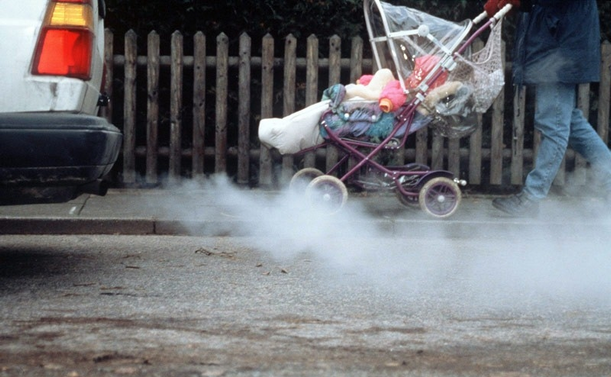
1) The vast majority of a #vehicle's environmental impact is in its *operation*. A #car is made once, and most of it #recycled at end-of-life, but every year for two decades on average it burns *its entire weight* in fuel. Up into smoke, up into our breathing air, no recovery.

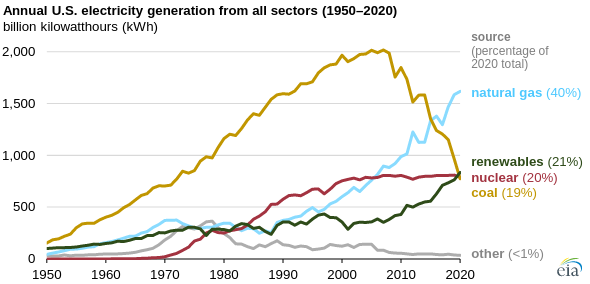
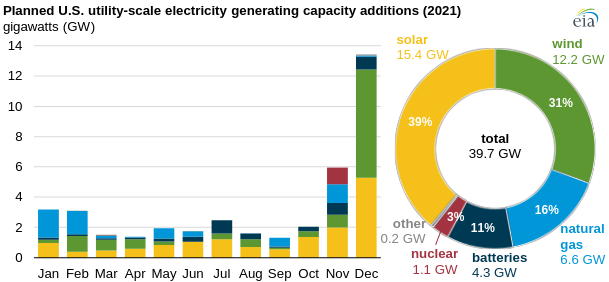
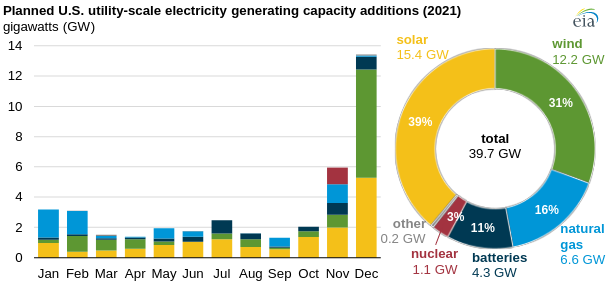
2) Only about half the grid is fossil fuels. And of those fossil fuels, #NaturalGas (cleaner than #oil) is the ever-more dominant fraction. And #renewables dominate new.

(Graphics as per before)

3) #Power plants are just plain more efficient. A typical #gasoline/#petrol ICE engine peaks at ~35%# efficiency but gets 20-25% in normal usage (#hybrids get closer to the 35%). But a modern combined cycle #NaturalGas plant can get over *60%* efficiency. There's extra losses, but they're all small - grid & home wiring (10%), charging (5-10%), #battery+#motor (10%), etc. Overall it's like 45% efficiency vs. 20-25% efficiency. And NG is a lower-#carbon fuel than #petroleum.

4) #Pollution is not just about the "what", but also the "where". While #CO2 lasts for centuries, most pollutants have short lifespans - hours to weeks; if it has to circle the globe before it's breathed, it's not going to exist anymore. #Power plants not only have centralized #scrubbers, but also emit #pollutants at altitude in remote areas, instead of ground level in #cities.

A confluence of factors leads to #EV #emissions being *much* lower.

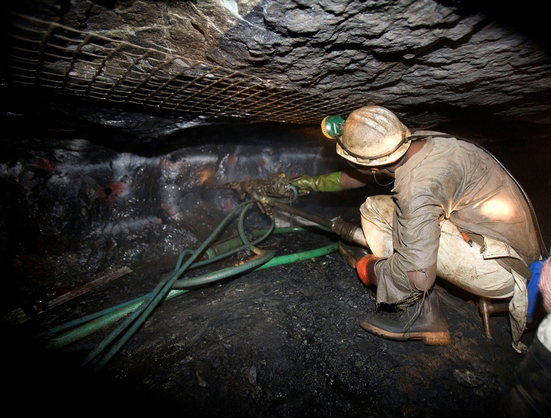
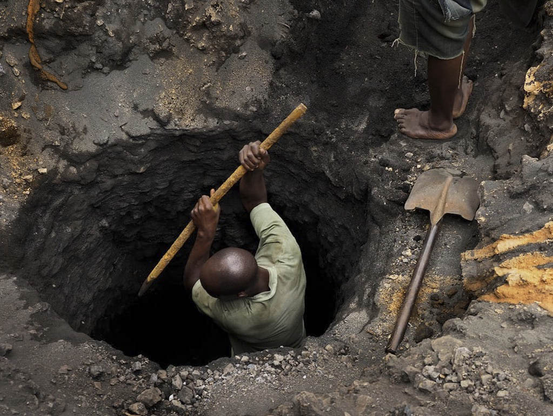
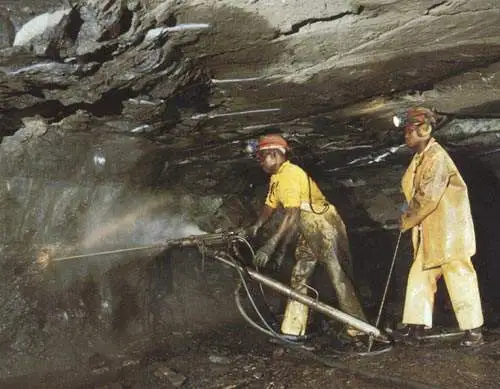
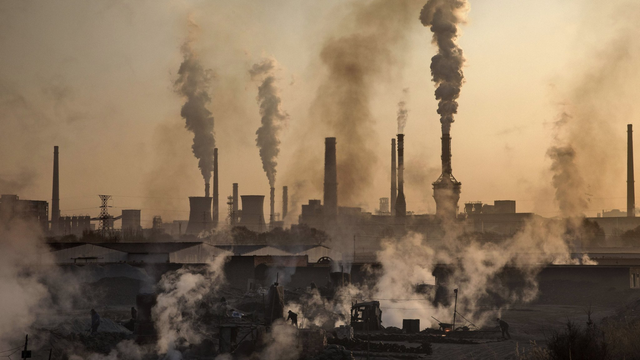
And to head anyone off: There is nothing any more magical about #mining for batteries than mining for any other part of any other #car. #Platinum for catalytic converters isn't flown into this earth by pixies. #Lead doesn't show up at factories on the back of a unicorn. Countless steel alloying agents, many of which are themselves #battery minerals, are not summoned from the ether. As if even making *steel itself* is a clean process?

(Photos, in order: platinum, lead, chromium, steel)

A #LFP #battery is a #steel can containing primarily (A) #graphite (synthetic or natural), and (B) #iron #phosphate (which is basically fertilizer). The next largest component is #electrolyte, primarily organic carbonates (a #petrochemical #solvent - on the lower toxicity end as far as solvents go). Next most common are the metal foils (#alumium and #copper). Next is the (#plastic) separator membrane.

In tiny quantities at the bottom of the list? Electrolyte additives and the #lithium itself.

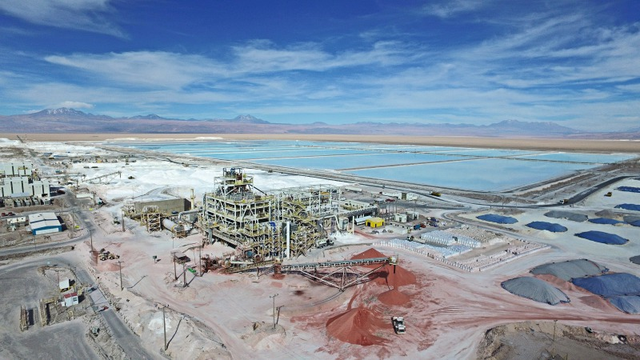
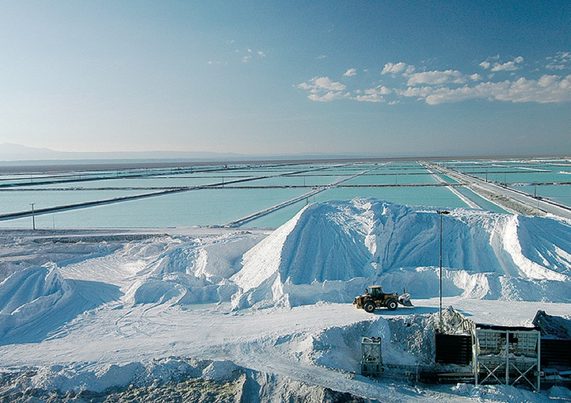
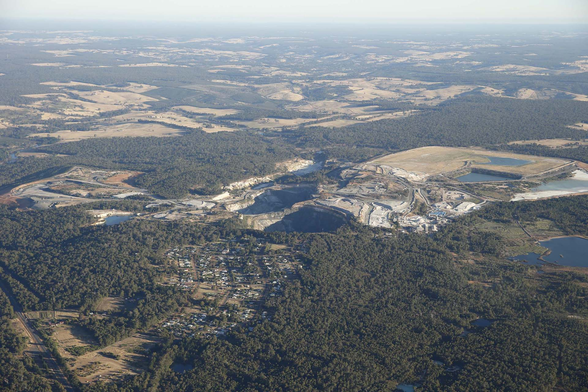
This tiny amount of (not rare) #lithium is primarily produced from either sun-dried brine or high-grade low-toxicity ore (#spodumene), primarily one mine in #Australia (Greenbushes) - though #Nevada clays are an emerging resource, and there's an inexhaustible supply in seawater.

1) Lithium (non-potable) brine is pumped to the surface, sun-dried to concentrate lithium, hauled off to elsewhere to refine for Li and other useful minerals, and the left-over salt returns to brine when it rains next.

2. #Spodumene, mined from high ore-grade low-toxicity igneous rock - the largest portion coming from a single #Australian mine (Greenbushes)

3. #Nevada lithium clays, an emerging resource.

None of this, however - ICE or EV components - even remotely compares to the impacts of oil. This graph below will put it into perspective.

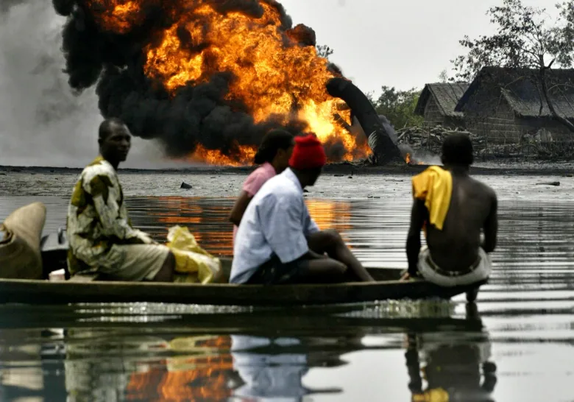
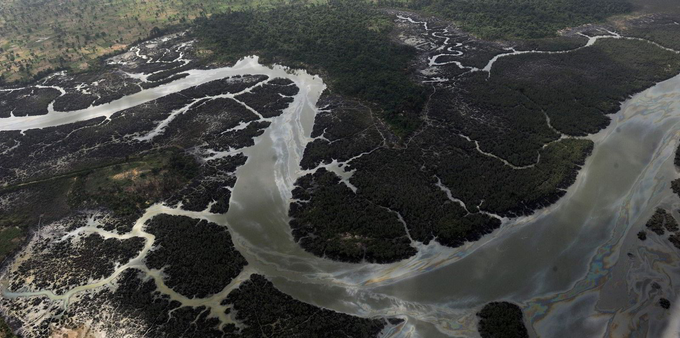
Wait, where's #oil? The short of it is "it doesn't fit on the graph". Over 13 BILLION tonnes produced in 2019. Of easily-leakable, #neurotoxic, #carcinogenic liquid, primarily produced to burn into exhaust that also contains neurotoxic and carcinogenic components. If you care about the environment and health, *THAT* is the enemy.

(End of thread)

@nafnlaus ...and it was subsidized with 7.3 trillion dollars of public money this year. https://www.imf.org/en/Topics/climate-change/energy-subsidies
Fossil Fuel Subsidies

Subsidies are intended to protect consumers by keeping prices low, but they come at a high cost. Subsidies have sizable fiscal costs (leading to higher taxes/borrowing or lower spending), promote inefficient allocation of an economyโ€™s resources (hindering growth), encourage pollution (contributing to climate change and premature deaths from local air pollution), and are not well targeted at the poor (mostly benefiting higher income households). Removing subsidies and using the revenue gain for better targeted social spending, reductions in inefficient taxes, and productive investments can promote sustainable and equitable outcomes. Fossil fuel subsidy removal would also reduce energy security concerns related to volatile fossil fuel supplies.

IMF