Fairey Firefly Mk I (TT.I) Seen here in the Royal Navy's Fleet Air Arm Museum at Yeovliton, the Firefly was the last time the Royal Navy shoehorned a navigator into one of their carrier fighters! Theythought that the pilot needed a navigator to stop him getting lost at sea! Needless to say, this increased the size and weight of the aircraft, and reduced performance. Despite being powered by a Rolls-Griffon IIB engine of 1,735hp, the Firefly I could only manage 319 mph - this was 5 mph slower than a Merlin-powered Hawker Hurricane Mk I of 1940! This Firefly was sold to Svensk Flygtjänst AB of Sweden after conversion to a target tug, eventually being restored as an aircraft which took part on attacks on the Japanese Home Islands in 1945.
#FaireyFirefly #FleetAirArm #RN #RoyalNavy #Pacific #Japan #HomeIslands #WW2 #history #photography #museum #aviation #avgeek #targettug #Sweden #yeovilton #FleetAirArmMuseum #navalaviation #fighter #aircraft #rollsroyce #rrgriffon The World at War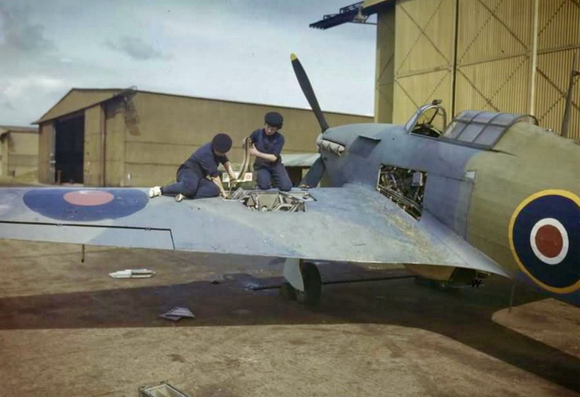


 DHMosquito