 E.S. Raye
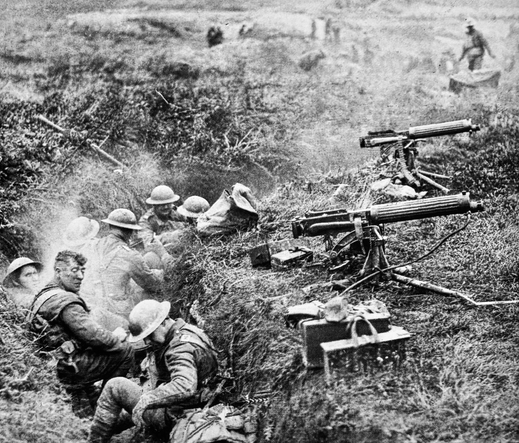
If the horrors of the front line didn't do it, what passed for medical care during the war is enough to put anyone over the edge of sanity.
Hasty, un-medicated amputations. Infection. "Shell shock."
It's a miracle anyone survived.
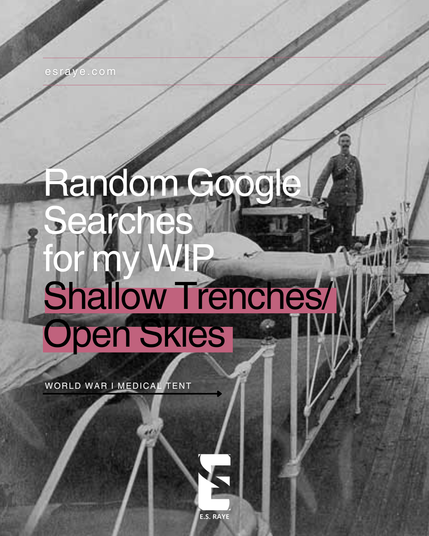
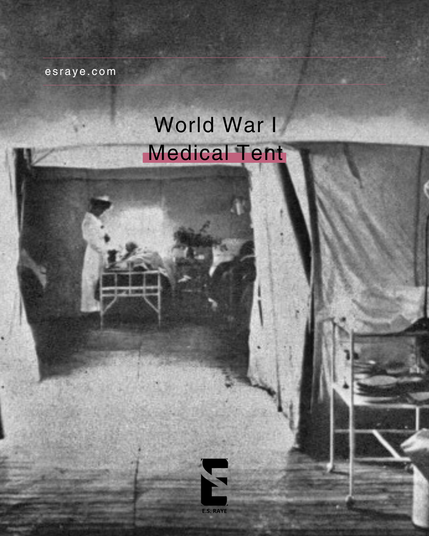
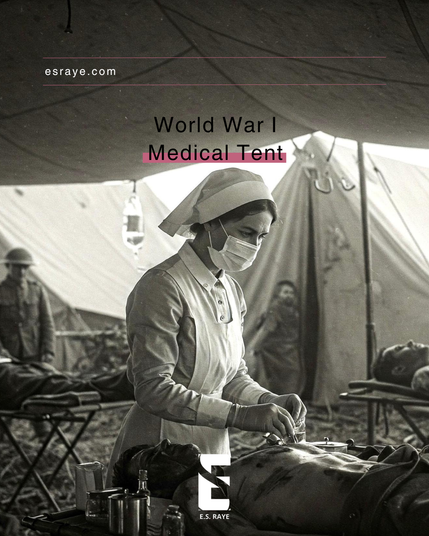
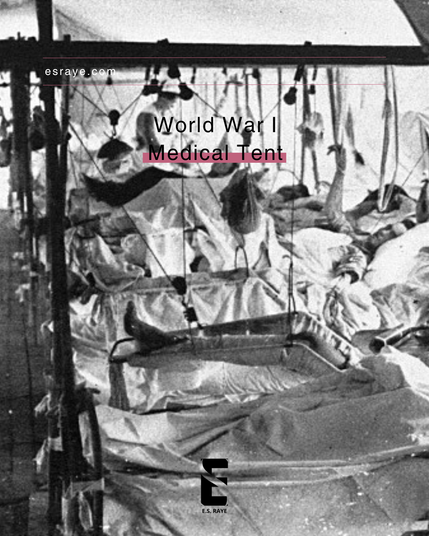
If the horrors of the front line didn't do it, what passed for medical care during the war is enough to put anyone over the edge of sanity.
Hasty, un-medicated amputations. Infection. "Shell shock."
It's a miracle anyone survived.
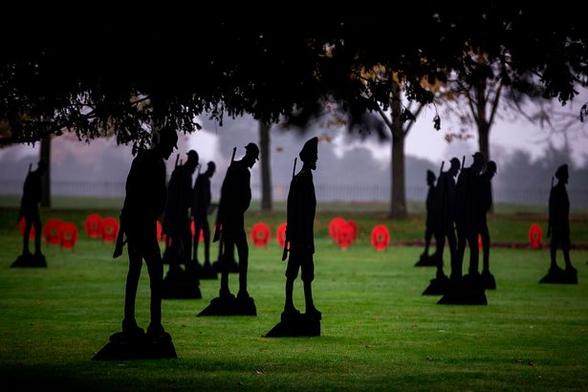
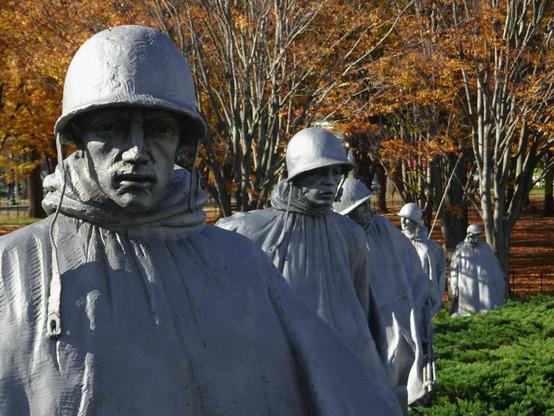
Military silhouettes display to return to Ayrshire as part of Battle of the Somme 110-year anniversary
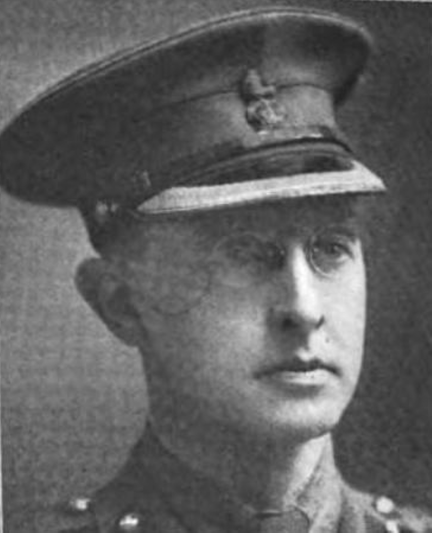
Dr Cluny Macpherson #OnThisDay
https://web.brid.gy/r/https://theorkneynews.scot/2026/05/10/dr-cluny-macpherson-onthisday/
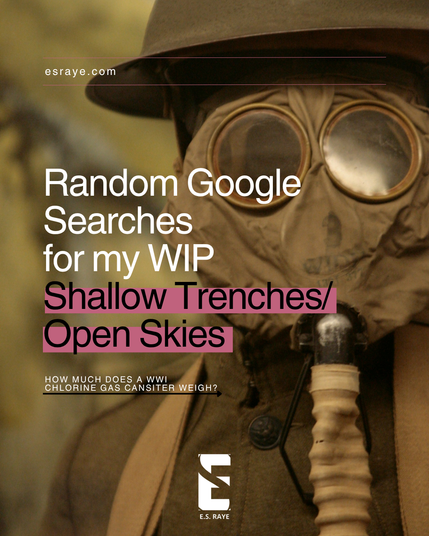
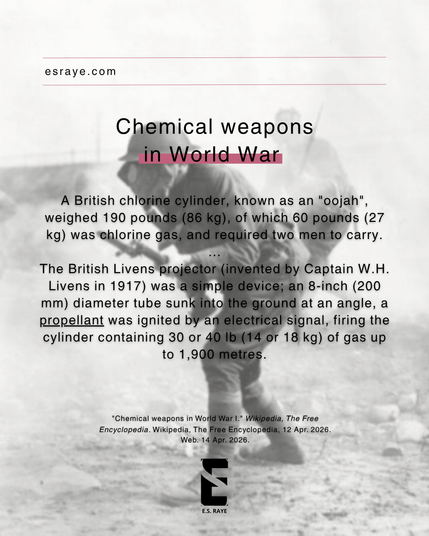
Of all the horrors of the Great War, many agree the use of poison gas was among the worst.
A perfect way to explore the horrors of man in the middle of an alien invasion.
#scifi #historicalfiction #historicalsciencefiction #worldwar1 #sciencefiction
Voices from Scapa : Gathering the Stories
https://fed.brid.gy/r/https://theorkneynews.scot/2026/04/26/voices-from-scapa-gathering-the-stories/
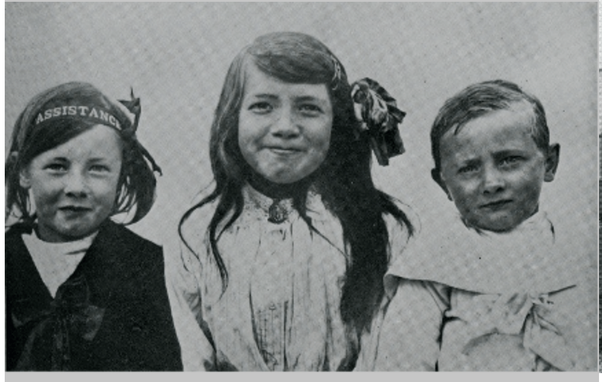
“1932” by DC Diamondopolous
Pa decided to join the Bonus Expeditionary Force. After dropping Ma and the youngsters off at Uncle Vernon’s, he let me ride the rails with him from our home in Waynesboro, Pennsylvania, all the way to the Washington Freight Yard.
Pa and thousands of other veterans were demanding their bonus pay—the money they could have earned if they hadn’t gone off to fight for their country in the Great War. No man wanted to wait until 1945 to get paid, not while his family was starving. That’s why we came to Anacostia Flats, a swampy, muddy area along the Anacostia River across from the Capitol, where we could see the dome. Ankle-deep in mud, Pa and I built our shanty along with forty-three thousand, counting wives and children—the biggest Hooverville ever, named after the president who no one seemed to like.
When the bank people came to take our farm, Pa rushed out of the house with a shotgun and fired over their heads, scaring me and Joey. Ma cried. The twins howled and clung to her flour-sack dress. Pa cursed the politicians, said they were just bumping gums when it came to veterans’ bonus pay.
We made our shack out of materials from the nearby dump site—old lumber, packing boxes, and scrap tin. Pa and I worked shoulder to shoulder. He started calling me Tom instead of Tommy.
Other veterans were scattered around Washington in deserted billets, but Camp Marks was the heartland. We built a real city with streets, latrines, a barber shop, a lending library where I spent most of my time, and a boxing ring, where Pa liked to spar.
For breakfast and dinner, everyone ate a stew made of potatoes, onions, and hot dogs. We lived on Pennsylvania Road, a place I called home. Next door was a colored man from Harrisburg, and his son Cornelius.
Pa said two things made a man equal—fighting for your country and taking care of your family—so it appeared, ‘cause everyone got along. Pa said the newspapers lied, wanting to cause trouble, saying the races couldn’t mix, and that communists were infiltrating the camp. How could that be when everyone had to show their service certificate?
One day, Pa and I walked to the top of the bluff, where we looked over the entire encampment. From poles and shanties, hundreds of American flags rippled in the breeze, showing how much we loved our country.
That night we took our meal back to our shack. Pa gulped his down and said, “War makes rich men richer. Remember that, son, before you go off to be a pawn in a rich man’s game.” I didn’t eat much after that. Pa’s anger and bitterness filled my belly instead.
A few days after we settled in, we walked to the Capitol where the House of Representatives took a vote on the Bonus Bill. Pa and I wore white shirts and bib overalls, wool caps—hot for June, but that’s what we had, being farmers and all. Other men dressed in wrinkled suits and worn fedoras. The tall columns dwarfed the people on the steps. Veterans sang, “America,” the air itself charged with hope.
When the organizer, Mr. Waters, came out and said the House passed the bill, I never heard such whooping and hollering. Tears ran down Pa’s cheeks. Hats twirled in the air, cheering going on for near half an hour. We had money and could go home.
But when we headed back, Pa said, “Son, this is just one hurdle, the Senate has to pass the bill and that’ll be harder.”
“Why?”
“More Republicans in the Senate.”
What seemed whacky to me was how something so sensible, like paying people their due, had to be voted on in the first place.
That night sleep came in jerks.
Two days after the House passed the bill, we went to the Capitol for the Senate vote. Veterans held signs reading, No Pay We Stay, Give Us Our Bonus Or Give Us A Job.
Pa’s fists stretched the holes in the pockets of his overalls, his jaw working back and forth. I could feel him wanting to get into the ring while we waited. He took off his cap and looked to the heavens.
Pa’s bonus money went down in the Senate. He said it was like the crash of ‘29 all over again.
I was too old to take his hand, but I let him take mine.
“We’re staying on son, until justice is done.”
Some folks left. But many stayed, with more coming from out west to join in the protest.
Toward the end of July, Hoover demanded that all veterans go home, but most had no home to go to.
On July 28, thousands of us walked to the Capitol. Food was becoming scarce at Camp Marks, so everyone looked gaunt, but we were righteous in our cause, and that gave us strength.
Police walloped the protesters with their Billy clubs. We broke through their line and ran. Gun shots fired. Women screamed. It turned into a riot, and then I saw the U.S. Army marching toward us.
There was infantry, soldiers on horseback, tanks. They were coming to rescue us. Overjoyed, I cheered along with Pa and everyone else. The army aimed their rifles. Sunlight glinted off the tips of their bayonets. But then—
. . . they were charging at us!
Bile roared in my stomach. They hurled gas grenades. People scattered. I hacked, snot poured from my nose. I experienced Pa’s pain from being gassed in the war.
Veterans threw rocks at the army.
I shuddered, knowing my father could be killed by his own.
We ran toward the flats.
But what we were running to suddenly rose up in flames—the shanties, the library, all of Anacostia Flats.
Pa put his arm around my shoulder while we watched our city burn. I held back tears, wanting to be strong for my father.
Copyright © 2026 DC Diamondopolous
All Rights Reserved
War and Peace
Tomorrow is Anzac Day in Australia – the day the country stops to remember the soldiers who fought (and often died) at Anzac Cove in Gallipoli, Turkey during WW1.
When I was younger only a few old veterans remained. They would totter down the main street of small towns and a few bystanders would wave flags. Peace lovers like myself thought the whole thing would die out in the near future. Little did we know of the rise of nationalism in the 1980s and the way Anzac Day was then presented to the Australian people. These days it is a major event and people across the land come together to honour the war dead in all wars since WW1 and to bond together under the Australian flag.
When I was in Turkey in 2012 I did go Gallipoli. I found it to be a profoundly sad and haunted place. Knowing something of my family history I have always stood back from the mainstream presentation of Anzac Day. When Toby, my 13 year old grandson asked me about my thoughts on Anzac Day I had to tell him what I knew of our ancestor, Aubrey Thorrowgood, a conscious objector in WW1. One thing led to another and I wrote a small document about it which I gave to interested family members. It’s written at Toby’s level. Here it is –
A FAMILY STORY
FROM
WORLD WAR 1
Aubrey Thorrowgood
(1878 – 1964)
Our ancestor, Aubrey Thorrowgood did not go to fight in WW1. Instead he became a conscientious objector, a person who refused to participate in military service.
When war was declared on August 4, 1914 Australia still had strong ties to Britain. The Australian Prime Minister immediately offered to send 20,000 volunteer troops to help Britain in their fight against the Germans. Many people disagreed with this for they saw the war as Britain’s war, not Australia’s. The anti-war movement was very active in Melbourne where Aubrey lived. Peace activists, religious organisations, socialists and women’s groups all came together to protest against Australia’s involvement.
Aubrey’s reasons for not going to fight are lost to time. He was a quiet man who did not talk about himself. When war was declared he was married and had two young children. Perhaps he felt his duty lay with supporting his family rather than taking part in a war happening on the other side of the world. Perhaps he took a political or religious stand against the war. We will never know for sure. All that remains in the family records are a few faded photos and a half remembered story.
Whatever his reasons, choosing not to join the war effort took a particular kind of courage. At the time conscientious objectors were seen as cowards and were called shirkers. Some were sent white feathers in the mail by people who saw them as not doing their duty. Some were jailed.
Over the course of the war (1914-18) Australia sent 416,809 volunteer troops. 61,524 were killed. Australia’s population in 1914 was approximately 4.9 million people. Roughly 39% of those aged 18 to 44 enlisted for service. As the war progressed, news of the large number of casualties in France and Gallipoli in Turkey made it difficult for the government to enlist volunteers. The Prime Minister sought to introduce conscription (compulsory military service) in 1916 and 1917 through a public vote but was defeated both times.
It is rare for any government to permit people to have a direct say in wartime policies. It is rarer still for an anti-war movement to be able to make their voices heard at a time when the government and the mainstream media supported the war effort. Bertha Walker, a writer and peace activist later wrote: “This was the first and only time any country in the world was permitted to vote on whether it would conscript its young men for war.”
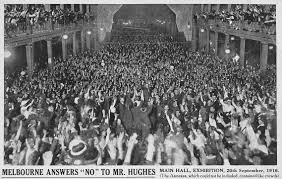
The no vote won because people from many different backgrounds came together to work for a common goal.
While it’s important to honour the sacrifice and courage of those who died fighting wars, it is also important to recognise the courage ordinary people show when they stand up for what they believe in.
Our ancestor, Aubrey Thorrowgood followed his conscience. Rather than fighting, he chose to care for his family and tend his vegetable garden. He was a carpenter by trade and built his own house when he was a young man. It was a rambling wooden home surrounded by sheds and barns. To one side was a large vegetable garden. He was an old man when I knew him but I remember him working in his vegetable garden and workshed every day. Over in the barn an old dusty cart collapsed onto its axle. The pony that had pulled it was long gone but the memory of times past still hung in the shadowy recesses.
It was a way of life that is all but forgotten now. A humble, simple life devoted to caring for people and the land. A life of quiet courage.
Suzanne Miller – April 2026
#history #politics #war #worldWar1 #ww1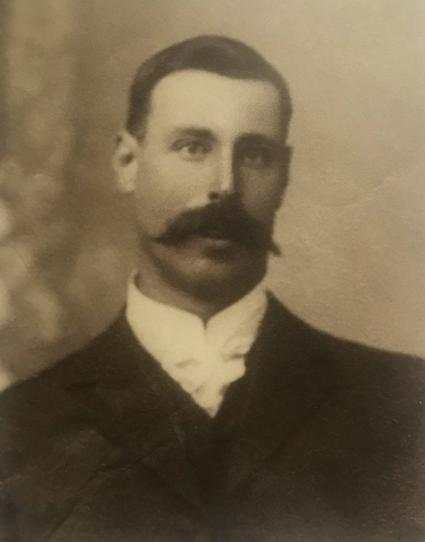


 🌈 ☯️Teresita🐧👭
 Daily Record & Sunday Mail - Scottish News, Sport, Politics and Celeb news [Unofficial]
 The Orkney News [Unofficial]
 Chewers by Masticadores
 Wayfaring
 Cappuccinogirl
 The World at War