When I was in #CS grad school, back in the early 1990s, #wavelets were hot in 3D volumetric CGโ€”oh, those SIGGRAPH symposia on the topic. At the same time in #EE, loads of papers were published on their efficacy in DSP. Just about everyone in EE and CS seemed to have published at least one paper on wavelets. Fun times. But the current state of wavelet academic #research seemed to have dried up.

I don't quite understand why wavelet transform has not supplanted Fourier transform in many #engineering and #computing application domains, considering its estimable time-frequency locality and its prodigious multi-resolution analysis capabilities, compared to Fourier analysis.

I am but a mere "maths carpenter". So, what am I missing, I wonder.

Wavelet-Based Spectrum Analyzer! ๐ŸŽถ

FFT has long been the go-to method for visualizing audio spectra, but what if thereโ€™s a faster and more efficient alternative? Enter the Haar Wavelet Transform: a technique that provides logarithmic frequency resolution while being even more computationally efficient than FFT-based analysis.

Stay tuned for a deep dive into how wavelets can be used for real-time spectral analysisโ€”no FFTs required!

Some preview: https://gist.github.com/ashafq/99d468dc5e52c7bea23ad4824e21161f

#dsp #wavelets #audio #programming #signalprocessing

Haar Wavelet Transform, In-place

Haar Wavelet Transform, In-place. GitHub Gist: instantly share code, notes, and snippets.

Gist
Hubbardโ€™s โ€œThe World According to #Waveletsโ€ is, by far, the most accessible book on the subject for non-engineers.

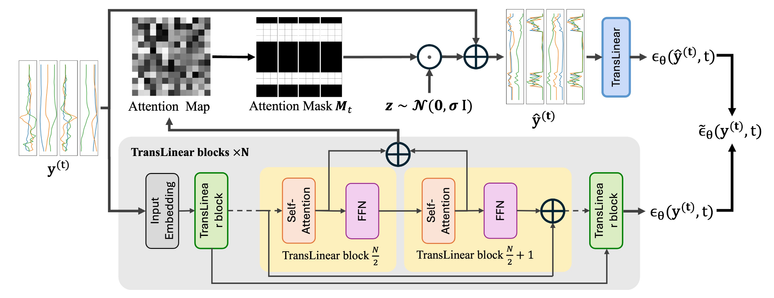
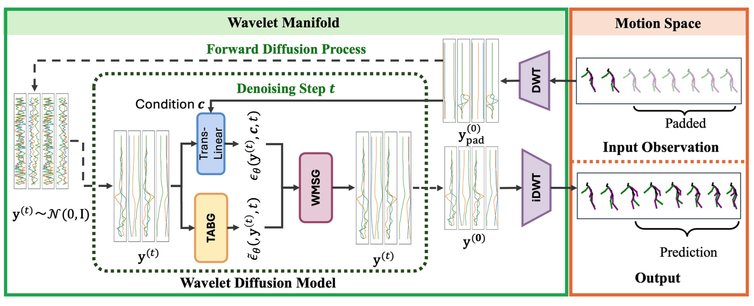
MotionWavelet: Human Motion Prediction via Wavelet Manifold Learning

Authors: Yuming Feng, Zhiyang Dou, Ling-Hao Chen, Yuan Liu, Tianyu Li, Jingbo Wang, Zeyu Cao, Wenping Wang, Taku Komura, Lingjie Liu

pre-print -> https://arxiv.org/abs/2411.16964
website -> https://frank-zy-dou.github.io/projects/MotionWavelet/

#motion_prediction #wavelets #diffusion

MotionWavelet: Human Motion Prediction via Wavelet Manifold Learning

Modeling temporal characteristics and the non-stationary dynamics of body movement plays a significant role in predicting human future motions. However, it is challenging to capture these features due to the subtle transitions involved in the complex human motions. This paper introduces MotionWavelet, a human motion prediction framework that utilizes Wavelet Transformation and studies human motion patterns in the spatial-frequency domain. In MotionWavelet, a Wavelet Diffusion Model (WDM) learns a Wavelet Manifold by applying Wavelet Transformation on the motion data therefore encoding the intricate spatial and temporal motion patterns. Once the Wavelet Manifold is built, WDM trains a diffusion model to generate human motions from Wavelet latent vectors. In addition to the WDM, MotionWavelet also presents a Wavelet Space Shaping Guidance mechanism to refine the denoising process to improve conformity with the manifold structure. WDM also develops Temporal Attention-Based Guidance to enhance prediction accuracy. Extensive experiments validate the effectiveness of MotionWavelet, demonstrating improved prediction accuracy and enhanced generalization across various benchmarks. Our code and models will be released upon acceptance.

arXiv.org

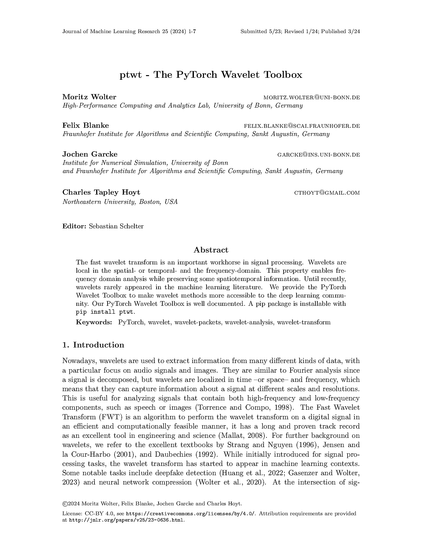
'ptwt - The PyTorch Wavelet Toolbox', by Moritz Wolter, Felix Blanke, Jochen Garcke, Charles Tapley Hoyt.

http://jmlr.org/papers/v25/23-0636.html

#wavelet #wavelets #pytorch

ptwt - The PyTorch Wavelet Toolbox

โ˜• Here's a bit of technical content from me - today a deep dive on #baseline correction methods.

๐Ÿ“ˆ Baseline correction is a preprocessing technique to remove background signal and isolate peaks in hashtag#spectroscopy data.

๐Ÿ“ In my recent post I discuss two methods:
1. Wavelet transform (WT) - Decomposes signal into components at different frequencies. Lowest frequency component represents baseline and can be removed.
2. Asymmetric least squares (ALS) - Fits a smooth baseline function, penalising positive deviations more than negative ones.

TL;DR: WT method is intuitive but can distort peaks. ALS produces better results.

๐Ÿ”Ž Both methods are applied on a #Raman spectrum and an X-ray fluorescence (#XRF) spectrum. ALS gives a cleaner baseline correction and it's effective for removing broad, slowly varying background while preserving sharper spectral features.

#chemometrics #Python #MachineLearning #wavelets #regression

https://nirpyresearch.com/two-methods-baseline-correction-spectral-data/

Two methods for baseline correction of spectral data โ€ข NIRPY Research

Worked examples of two methods for baseline correction of spectra applied to Raman and XRF data.

NIRPY Research

๐—๐—ผ๐˜‚๐—ฟ๐—ป๐—ฎ๐—น ๐—ผ๐—ณ ๐—˜๐—ป๐˜ƒ๐—ถ๐—ฟ๐—ผ๐—ป๐—บ๐—ฒ๐—ป๐˜๐—ฎ๐—น & ๐—˜๐—ฎ๐—ฟ๐˜๐—ต ๐—ฆ๐—ฐ๐—ถ๐—ฒ๐—ป๐—ฐ๐—ฒ๐˜€ | ๐—ฉ๐—ผ๐—น๐˜‚๐—บ๐—ฒ ๐Ÿฌ๐Ÿฐ | ๐—œ๐˜€๐˜€๐˜‚๐—ฒ ๐Ÿฌ๐Ÿฎ | ๐—ข๐—ฐ๐˜๐—ผ๐—ฏ๐—ฒ๐—ฟ ๐Ÿฎ๐Ÿฌ๐Ÿฎ๐Ÿฎ

๐—๐—ผ๐˜‚๐—ฟ๐—ป๐—ฎ๐—น ๐—ผ๐—ณ ๐—˜๐—ป๐˜ƒ๐—ถ๐—ฟ๐—ผ๐—ป๐—บ๐—ฒ๐—ป๐˜๐—ฎ๐—น & ๐—˜๐—ฎ๐—ฟ๐˜๐—ต ๐—ฆ๐—ฐ๐—ถ๐—ฒ๐—ป๐—ฐ๐—ฒ๐˜€ | ๐—ฉ๐—ผ๐—น๐˜‚๐—บ๐—ฒ ๐Ÿฌ๐Ÿฐ | ๐—œ๐˜€๐˜€๐˜‚๐—ฒ ๐Ÿฌ๐Ÿฎ | ๐—ข๐—ฐ๐˜๐—ผ๐—ฏ๐—ฒ๐—ฟ ๐Ÿฎ๐Ÿฌ๐Ÿฎ๐Ÿฎ ๐ŸŒ Quantum Biophysics of the Atmosphere: Asymmetric Wavelets of the Average Annual Air Temperature of Irkutsk for 1820-2019 ๐Ÿ‘‰ The regularities of the dynamics of the average annual temperature of Irkutsk from 1820 to 2019 were revealed. #Averageannualtemperature #1820to2019 #Wavelets #Forecastupto2220 ๐Ÿ”— DOI: โœ‰โ€ฆ

https://myfavorite621.wordpress.com/2023/12/11/%f0%9d%97%9d%f0%9d%97%bc%f0%9d%98%82%f0%9d%97%bf%f0%9d%97%bb%f0%9d%97%ae%f0%9d%97%b9-%f0%9d%97%bc%f0%9d%97%b3-%f0%9d%97%98%f0%9d%97%bb%f0%9d%98%83%f0%9d%97%b6%f0%9d%97%bf%f0%9d%97%bc%f0%9d%97%bb/

๐—๐—ผ๐˜‚๐—ฟ๐—ป๐—ฎ๐—น ๐—ผ๐—ณ ๐—˜๐—ป๐˜ƒ๐—ถ๐—ฟ๐—ผ๐—ป๐—บ๐—ฒ๐—ป๐˜๐—ฎ๐—น & ๐—˜๐—ฎ๐—ฟ๐˜๐—ต ๐—ฆ๐—ฐ๐—ถ๐—ฒ๐—ป๐—ฐ๐—ฒ๐˜€ | ๐—ฉ๐—ผ๐—น๐˜‚๐—บ๐—ฒ ๐Ÿฌ๐Ÿฐ | ๐—œ๐˜€๐˜€๐˜‚๐—ฒ ๐Ÿฌ๐Ÿฎ | ๐—ข๐—ฐ๐˜๐—ผ๐—ฏ๐—ฒ๐—ฟ ๐Ÿฎ๐Ÿฌ๐Ÿฎ๐Ÿฎ

๐—๐—ผ๐˜‚๐—ฟ๐—ป๐—ฎ๐—น ๐—ผ๐—ณ ๐—˜๐—ป๐˜ƒ๐—ถ๐—ฟ๐—ผ๐—ป๐—บ๐—ฒ๐—ป๐˜๐—ฎ๐—น & ๐—˜๐—ฎ๐—ฟ๐˜๐—ต ๐—ฆ๐—ฐ๐—ถ๐—ฒ๐—ป๐—ฐ๐—ฒ๐˜€ | ๐—ฉ๐—ผ๐—น๐˜‚๐—บ๐—ฒ ๐Ÿฌ๐Ÿฐ | ๐—œ๐˜€๐˜€๐˜‚๐—ฒ ๐Ÿฌ๐Ÿฎ | ๐—ข๐—ฐ๐˜๐—ผ๐—ฏ๐—ฒ๐—ฟ ๐Ÿฎ๐Ÿฌ๐Ÿฎ๐Ÿฎ ๐ŸŒ Quantum Biophysics of the Atmosphere: Asymmetric Wavelets of the Average Annual Air Temperature of Irkutsk for โ€ฆ

Scientific & Academic Publishing

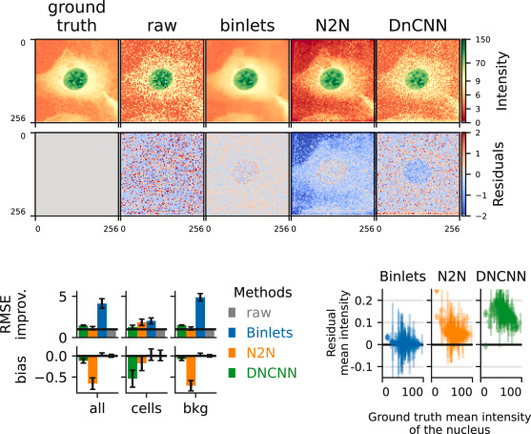
"Binlets: Data fusion-aware denoising enables accurate and unbiased quantification of multichannel signals", Silberberg & Grecco, 2023 https://www.sciencedirect.com/science/article/pii/S1566253523003159

Old school signal processing, not based on machine learning but instead on a translation-invariant Haar wavelet decomposition, profitably exploiting correlations across channels. The manuscript includes an accessible and brief "Theory" section and a longer appendix. All it needs to run is a test function between two data points.

In their benchmarks and use cases, the new method outperforms existing denoising methods. In both time series and on fluorescent microscopy images.

There's a repository available https://github.com/maurosilber/binlets and can be installed with `pip install binlets`.

#denoising #SignalProcessing #wavelets #ComputerVision

Wavelet decomposition is very popular in image analysis and processing. Here's my attempt to share some code to perform spectral smoothing (or denoising, to be fancy) using the same principle.

Wavelet denoising of spectra โ€ข NIRPY Research
https://nirpyresearch.com/wavelet-denoising-spectra/

#ImageProcessing #chemometrics #spectroscopy #wavelets #DataProcessing

Wavelet denoising of spectra โ€ข NIRPY Research

On the concept of wavelet transform and decomposition, and its application for denoising of spectra.

NIRPY Research
@orieshafer
That is cool, I have not yet used #wavelets d you have a good suggestion for software package including it? I still use #flytoolbox from Joel Levine (ps is he on #mastodon)