 Unofficial PetaPixel Bot
Freewell’s New Filter Is a Super-Slim Locking, Magnetic Hybrid VND/CPL https://petapixel.com/2026/05/07/freewells-new-filter-is-a-super-slim-locking-magnetic-hybrid-vnd-cpl/ #variableneutraldensityfilter #circularpolarizingfilter #variableneutraldensity #circularpolarizer #Equipment #brandonli #polarizer #freewell #magnetic #News #VND
Moment’s CineBloom VND Filter Combines Dreamy Diffusion and Exposure Control https://petapixel.com/2025/07/08/moments-cinebloom-vnd-filter-combines-dreamy-diffusion-and-exposure-control/ #variableneutraldensity #cinematography #videography #Equipment #diffusion #ndfilter #dreamy #filter #moment #News #VND #nd

H&Y’s RevoRing Mark II Combines Adaptable Threads with a CPL and VND https://petapixel.com/2024/10/29/hys-revoring-mark-ii-combines-adaptable-threads-with-a-cpl-and-vnd/ #variableneutraldensityfilter #variableneutraldensity #circularpolarizer #revoringmarkii #Educational #revoring #filter #News #cpl #H&Y #VND #nd

 the phoblographer (unofficial)
Near Perfect Results in a Quality Filter: Lee Elements VND 2-5 Review
#photographyaccessories #filterkit #filters #leeelements #leefilter #longexposurefilter #longexposures #nd #ndvariable #neutraldensity #screwonfilter #variablendfilter #variableneutraldensity #variableneutraldensityfilter #vndfilter

 petapixel (unofficial)
Irix Launches Super Slim and Compact Variable Neutral Density Filters
Irix has announced its Irix Edge Variable Neutral Density Filters which it claims are among the slimmest and most compact that have ever been made.
Irix is most well known for its high-end optics for the photo and video industries but has expanded beyond lenses to its first line of variable neutral density filters. The Irix Edge series are available in two versions: traditional screw-in or magnetic mount that are dedicated for use on Irix Cine lenses. In both cases, Irix says they are one of the thinnest filters of their kind on the market.
The company says that its Irix Edge filters were developed based on the highest quality optical glass that it promises guarantees high light transmission. Each filter has 24 multi-coating layers that reduce reflections and is both oil-resistant and waterproof. As noted, the filters are very thin, and the magnetic mount version is only 4.7 millimeters thick, which it says makes it one of the most compact ever made.
The filters are available in multiple sizes (67, 72, 82, 86, and 95mm) and are variable from two through five stops. Irix says that the ND filter has been designed to allow for the adjustment of exposure without changing the color or characteristic of the image, a common problem for cheaper neutral density filters. The company claims that its Irix Edge filters do not introduce any artifacts into an image anywhere in the density range and that color and contrast are preserved.
The filters have clearly marked points the delineate how many stops the filter is set to and the ring itself doesn't freely and infinitely turn.
The frame of the filters is made from what Irix says is lightweight and durable aluminum and the surface has been covered with a black coating. The filters also have a no-slip finish. Irix says that thanks to a design decision to use a "tough glass," the filter is designed to survive in almost any condition thanks to what the company calls "Super Resistance." This particular feature is only available in the magnetic mount version, not the traditional screw mount.
The Irix Edge Variable Neutral Density Filter (two through five stops) is available from Irix in either traditional screw mount or magnetic mount. The prices for the screw variant start at 115 euros (about $130) for the 67mm size up to 215 euros (about $242) for the 95mm size. The Magnetic version costs 225 euros (about $254).
#equipment #news #compact #filter #irix #irixedge #ndfilter #neutraldensityfilter #silm #thin #variableneutraldensity


Kolari EF to EOS R Drop-In Filter Adapter: Tons of Creative Options
A little over a year ago, Kolari Vision released its lineup of high-end and ultra-rugged drop-in filters for Canon's EF-to-RF mount adapter with a built-in filter slot, making the company the first to come to market for such a product. But does getting to market first make them any better than the competition? Is the price worth it?
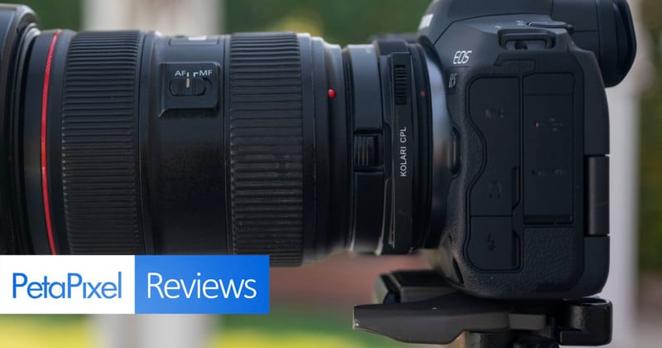
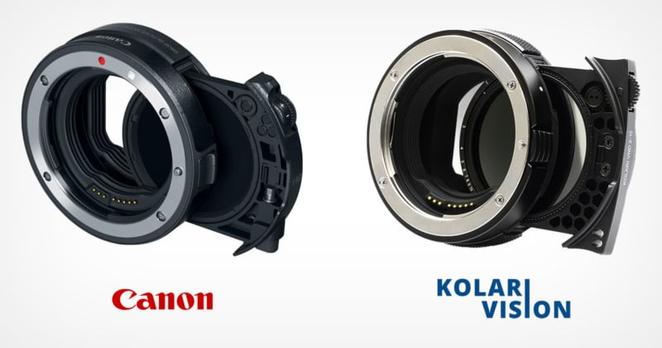
When I first got my hands on the Kolari adapter, I was impressed with its build quality as it was incredibly similar to the official adapter from Canon in terms of its look, feel, and weight. For this review, I used a Canon EOS R5 supplied by Kolari, and lenses provided by Lens Rentals.
Polarizing filters are typically used in landscape photography to help cut down on reflected light that would overpower the colors in a scene in places like the sky and water. Variable Neutral Density filters are a filter type that controls the amount of light allowed into the camera at adjustable levels (two through 10 stops in this case). What makes the drop-in filters unique and highly advantageous compared to normal threaded lens-mounted filters is that you do not need to buy a new filter for each lens in your kit to accommodate all the different front filter sizes. With the drop-in kits, it really is a one size fits all kind of deal, so you can save a lot of money if you happen to use even a few different lenses regularly.
Design and Build Quality
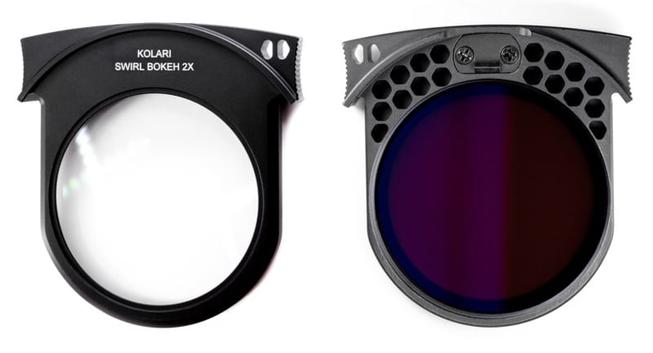
The Kolari Vision Drop-In Filters range from [$99 to $299](https://www.adorama.com/l/?searchinfo=kolari%20adapter&sel=Item-Condition_New-Itemskbid=67085” rel=“norewrite sponsored”) per filter, and the EF to RF adapter itself ranges from $199 to with the CPL, $224 with the Clear Filter, and $299 with the two to 10 stop VND. The Swirl Bokeh Drop-in Filter is $99 each for the 1x and 2x filters or $149.99 for both.
As I mentioned above, the exterior of the Kolari drop-in filter adapter is visually very similar in design and feel to the official Canon version, and both seemed to have nearly identical responsiveness for the lenses and autofocus. The Kolari adapter and filters are made using CNC aluminum and use a Gorilla Glass Substrate (similar to many smartphone displays) for the ND filters. Additionally, the system works with the company's magnetic clip filter systems for the RF mount that can be paired with the Drop-in filters. These include options for infrared, Ultraviolet (UV), full-spectrum "clear," various ND filters, and more.
This magnetic system can feel a bit risky, but after trying it myself I found that they work pretty efficiently if you want to combine various filters together, like an infrared filter on the magnetic side, a CPL on the adapter, and a UV filter on the end of the lens.
Mounting the adapter on an EOS-R body felt very stealthy in terms of its visibility on camera. Unlike many other lens adapters on the market for mounting DSLR lenses on mirrorless bodies, the Kolari system is quite discrete and almost blends in with the body and lens. It is practically unnoticeable to an unfamiliar eye. This kind of gives it a bit more of a stylish and less obtrusive feel than most other adapters.
The Drop-in filters (as well as the magnetic ones) are very solid, designed to resist impacts from drops and bumps, and are very easy to clean should you happen to be in a dusty environment with them. Not to mention the cases provided for the various systems are efficiently designed for holding everything safely in place while traveling.
In this area, one thing that could use work are the cases themselves, which I found to be a little janky to open and close, especially in cold weather. If you're shooting outdoor work in a cold or wet environment, it can be easy to accidentally pop open the cases or drop them altogether. The good news is the filters themselves are very durable, so unless you are unlucky enough to scratch the filter's glass itself, you should be fine, but it's something it thought was worth noting.
Another thing that I thought could be improved is the access and availability of a clear filter. If you want to use the adapter but not use either a CPL or VND, you would want to put a clear filter in the slot otherwise you run the risk of exposing the sensor to the elements in addition to possibly affecting the optical formula since the drop in filter adapters are slightly larger to accommodate the filters.
You can buy a clear filter but it feels odd that the bundles Koliar offers do not include a clear filter. If you get this adapter, you need to get a clear filter, so not including it in the bundles feels like an unnecessary extra step.
Image Quality
After testing the VND filter and CPL in various settings, the visual quality was very clean and arguably sharper and displayed more accurate color than when using various VND and CPL filters I've used mounted at the end of the lens barrel. The Swirl Bokeh filter, however, I found to be less appealing.
The intent is to give an intense swirl pattern bokeh similar to the effect of a Petzval lens.
During my testing, I had access to the 1x Swirl filter and found while shooting on a standard telephoto lens (f/2.8 and above) the effects were minimally noticeable with just a subtle difference around the outer edges of the frame. When placed on a 50mm f/1.2 lens and shot wide open, the pattern was much more noticeable. The trade-off when using this filter is sharpness and focus distance.
With a lens that can shoot at f/1.8 or wider, it does give off an interesting bokeh pattern, but at the cost of focus range and clarity. To be fair, when shooting with an actual Petzval lens, your focus distance and sharpness is also rather limited so the filter does achieve that effect, I just found it to be below my expectations.
I found you couldn't be any further than a few feet away from your subject matter (between one to four feet at 1x and one to two feet with the 2x), and much like the Petzval lenses, you need to put your subject directly in the center of the frame. Once you get further than this distance, pretty much everything in the frame will be soft and swirly which isn't ideal. But if you can nail the focus with your subject at the right distance, you can get some pretty unique shots. Granted, they will be softer than you may expect, but that is to be the price you have to pay to achieve this style of bokeh.
Below are a set of sample images captured with both the CPL filters and the Swirl filters to give an example of what to expect with each.
CPL Samples
Swirl Bokeh Samples
Bokeh Filter No Filter Bokeh FIlter No Filter No Filter Bokeh Filter
High Quality and Tons of Creative Options
For people looking to move from the Canon DSLR systems to mirrorless, these types of adapters make the path of change so much easier and more affordable and ones that offer additional utility like rear-access filters that work with every compatible lens just means the system is even more attractive and useful. My only reservation is the price of the clear filters, while they aren't bad, still seem a bit pricey to me for something you have to purchase. This seems to be the case no matter which brand you choose, though.
Having tested both the Canon and Kolari Vision versions of the adapters and VND filters, the difference is nearly impossible to spot throughout the images, making the Kolari version more attractive since it's similarly priced but offers the ability to pair with a wider variety of special effects filters.
I have used many filter systems over the years, but testing this adapter was the first time I've used a rear drop-in-based system, and I have become a believer. It is much faster, cleaner, and discreet to use this method compared to using larger filters that mount to the front of the lens. The drop-in system of filters feels less intrusive, and in situations like a CPL and VND, the placement of the intensity dial right at the base of the camera lens instead of at the very end is so much more convenient and easy to control. It's nice that they also play nice with Kolari's Magnetic Filters for additional levels of creative control.
Are There Alternatives?
The adapter space is crowded, and as such there are a lot of alternatives to the Kolari system. Canon makes a first-party adapter with a built-in filter system for $300, but it only has the standard Clear, VND, and CPL options and only ships with the CPL. Additionally, Breakthrough Photography has an upcoming EF-RF kit with drop in filters that seem to be similarly priced to the Kolari system, but an official launch date has not been confirmed yet. Beyond that, there are several Lens adapter brands on the market such as options from DEO-Tech OWL or FotodioX, but neither converts the EF to RF mount as well as offers a drop-in filter feature.
Should You Buy It?
Yes. With the Kolari Vision system, not only do you get the EF to RF mount adapter but also a high-quality VND and CPL filter as well as access to a large array of creative filters like the Swirl Bokeh kit. It also plays nice with the various Kolari magnetic clip-in filters that can be added together to make unique photos.
#equipment #reviews #bokeh #circularpolarizer #cpl #dropin #dslr #eosr #filter #kolari #mirrorless #r #review #swirl #variableneutraldensity #vnd

Lee Elements: Lee Filters Launches New Line of High-End Circular Filters
Lee Filters has announced a line of high-performance circular filters for photographers and videographers called Lee Elements. The set includes two levels of neutral density (ND) filters, a polarizer, and a variable ND (VND).
Lee has made the new filters available in four standard sizes: 67mm, 72mm, 77mm, and 82mm. The new line of Le Elements is made up of five filter types: Little Stopper (offering 6 stops of light reduction), Big Stopper (10 stops of light reduction), CPL (circular polariser), and two densities of VND ( which provide two to five or six to nine stops of light reduction).
Of note, this is the first time that Lee's "Stopper" filters have been offered in the circular format, which enables them to be quickly and easily used without the need of a filter holder and even when a photographer is wearing gloves. The filters have what Lee describes as a rugged and robust black anodized aluminum frame. The Little Stopper and Big Stopper also feature stackable housings and the rotating CPL and VND filters can be stacked in front of a Stopper and feature increased front rings that Lee says ensure optimal edge-crop performance.
Lee says that each filter uses its highest-quality multi-layer coated optics which it claims provide class-leading optical performance that makes them viable even when used with the resolving power of modern mirrorless optics and sensors.
Specifically with the VNDs, Lee claims that they feature a bracketed design with a rotational limit that prevents cross-polarization issues. They also have clearly marked numeric stop positions which make it easier to measure how much light is being blocked for both photo and video applications. The company also says that it designed them to fluidly and silently adjust when turned so that they work well for videographers.
All the new Elements filters have Lee's scratch-resistant and anti-reflective coatings, as well as hydrophobic and oleophobic coatings which provide enhanced protection against moisture and fingerprints. Lee says this is equivalent to the level that is found on Panavision's PanaND and Lee's line of ProGlass Cine IRND filters.
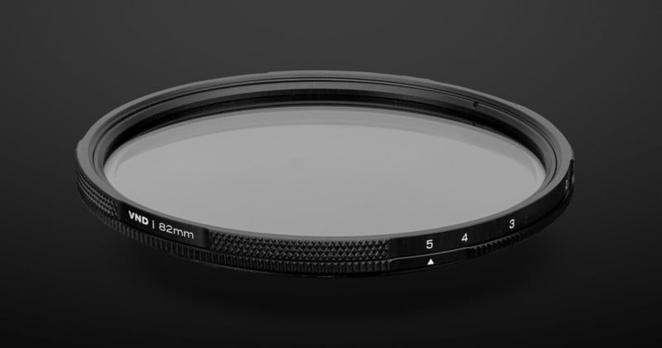
The Lee Elements line of variable neutral density filters is available for $250 in any of the three size configurations. The Big Stopper filter in both six- and 10-stop options is available for $175. The Little Stopper is priced the same at $175. The circular polarizer is available for $160.
#equipment #news #bigstopper #circular #circularnd #circularpolarizer #circularpolarizingfilter #filters #lee #leeelements #leefilters #littlestopper #nd #neutraldensityfilter #variableneutraldensity
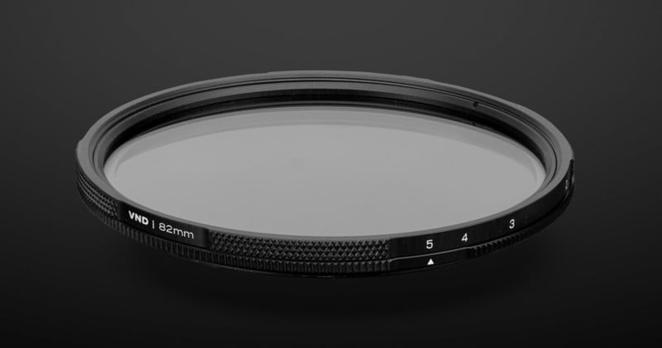

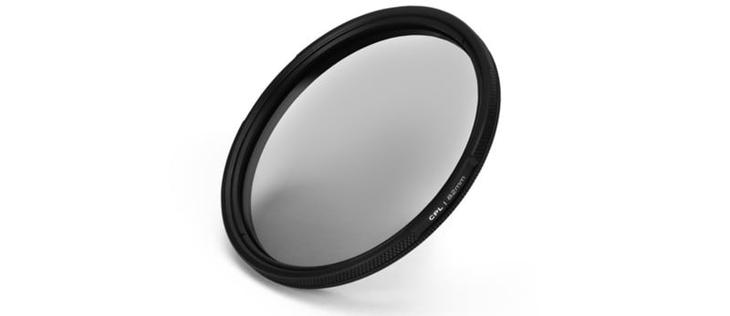

Freewell Announces ‘World’s First’ Magnetic Variable ND Filter
Freewell has announced what it is calling the 'world's first' versatile magnetic variable neutral density (ND) filter for DSLR and mirrorless lenses.
Freewell had previously dabbled in magnetic camera accessories when it released a Quick-Swap Magnetic Filter System in 2018.
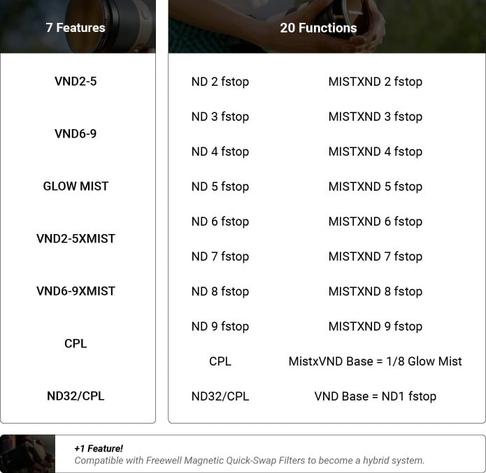
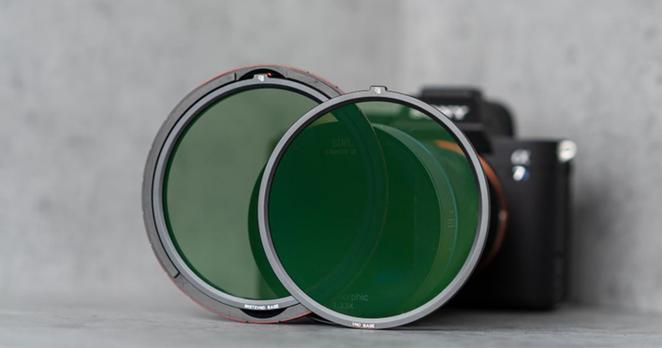
According to the company, the new filter boasts an extended range of exposure values from two to nine full stops using only "two filters" making it the first all-in-one variable ND system that uses hard stop filters with the advantage of a quick-swap magnetic mount. Included in the new kit are seven types of filters, a VND2-5, VND6-9, CPL, ND32/CPL, GLOW MIST, VND2-5XMIST, and VND6-9XMIST. The company says these filters will provide a total of 20 unique functions at one of the most cost-effective positions on the market.
Freewell says the key difference between its VND system compared to other magnetic systems on the market like what is already offered from brands such asBreakthrough is the fully magnetic installation and the "variable" nature of the filters.
"Other filters are only regular ND which means they have just a single function as a plain ND4," a Freewell representative tells PetaPixel. "Other systems use a single piece for the glass filter which has already been available in the industry for decades. The only thing unique about other similar products is that they are magnetic. Freewell filters are the world’s first magnetic VND that have a "seven plus one" feature set. Absolutely no other filter system on the market exists with such functionality and versatility."
The company also says the kit's magnetic adhesion will keep the filters in the holder firmly affixed, which prevents vibrations while they still remain easy to remove and adjust. The metal knurling on the bezel along each ND level helps grip when turning to change values and allegedly improves the accuracy of stop setting. The company also claims that transitioning from one-stop value to another is smooth and gradual, and should give a reduced occurrence of "x-pattern overlaps" seen in other variable NDs.
The filters use a "premium high-definition optical glass" with a protective coating on both sides, which Freewell says makes them waterproof, dustproof, stain proof, oilproof, and scratch-resistant for shooting in any weather condition. The company also claims the optical quality will be sharp from the center to the outer edge and free from any chromatic aberration or loss of detail. It also claims that there will be zero vignetting on focal lengths over 16mm.
Freewell says that its new system will be more convenient than others on the market, as shooters would only need to carry the two filters with them when traveling, and would still have the capability to capture images using ND stops from two to nine as well as having access to an integrated Circular Polarizer (CPL) and the "Glow Mist" bonus filter for creative applications.
Freewell is seeking crowdfunding to bring the product to market, and the Kickstarter bundle also includes a compact case that can hold the entire kit safely, and it can easily fit in any bag, or clip onto any exterior strap or latch point.
The Freewell Magnetic VND Filter Kit is available for $299.99 as a "Super Early Bird" backer, $349.99 as an "Early Bird" backer, and once launched will retail for $399.99. After choosing a thread size for the mount base, the kit includes a 1-stop VND Base, one Glow Mist unit, one Magnetic VND 2-5 CPL filter, a Magnetic VND 6-9/ND32CPL filter, the magnetic lens cap, and a protective case. Also included with the Kickstarter purchase is a lifetime warranty card, video tutorial card, and a guide for the filters. Freewell estimates shipping of the filter kits will begin between August and September of 2021.
Disclaimer : Make sure you do your own research into any crowdfunding project you're considering backing. While we aim to only share legitimate and trustworthy campaigns, there's always a real chance that you can lose your money when backing any crowdfunded project.
#equipment #news #accessories #accessory #announcement #filter #freewell #gear #kickstarter #magnetic #photography #variableneutraldensity #vnd