RE: https://flipping.rocks/@frankashwood/116661492786428411

I'm looking forward so much to this book about #soilLife #soil! @frankashwood is a great nature photographer and when the soil ecologist starts to talk about these wonderful creatures ...
Just follow him not to miss it!
More about the book: https://www.frankashwood.com/twbof

#biodiversity #macroPhotography #naturePhotography #natureWriting #soilFauna #SciComm #soilBiodiversity #followFriday #ecology #soilEcology

Certain agricultural soils function as dynamic living systems capable of naturally inhibiting the infection and survival of devastating fungal pathogens, such as Sclerotinia sclerotiorum.
#AgriculturalScience #SoilEcology #Microbiology #PlantPathology #Botany #sflorg
https://www.sflorg.com/2026/05/agri05282601.html
How Soils Naturally Suppress Crop Diseases

Discover how specific soil microbiomes, enriched with beneficial bacteria, can naturally suppress major fungal crop diseases to protect yields.

Soil animal communities display a greater variety of feeding activities, known as trophic diversity, within agricultural ecosystems and tropical regions compared to woodlands and temperate zones.
#SoilEcology #Agroecology #Zoology #Biogeochemistry #sflorg
https://www.sflorg.com/2026/05/eco05122601.html
Soil Animal Trophic Diversity & Land Use

Research shows agricultural and tropical climates increase soil animal trophic diversity, highlighting vital dietary flexibility in ecosystems.

This week is #GSB4 #GSB2026, the highlight of the international soil biodiversity calendar.

Sadly I couldn't make it this time (ah, the joys of being a new father), but it looks like everyone is having an incredible time and lots of constructive discussions about soil biodiversity!

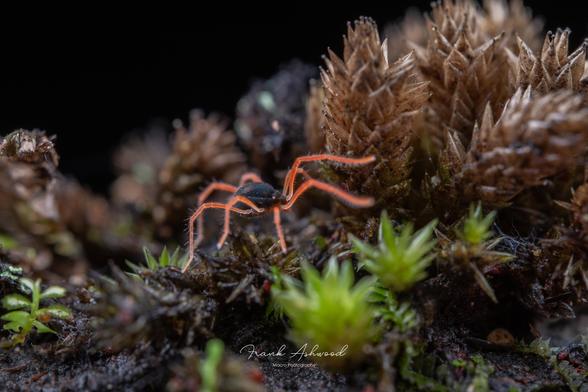
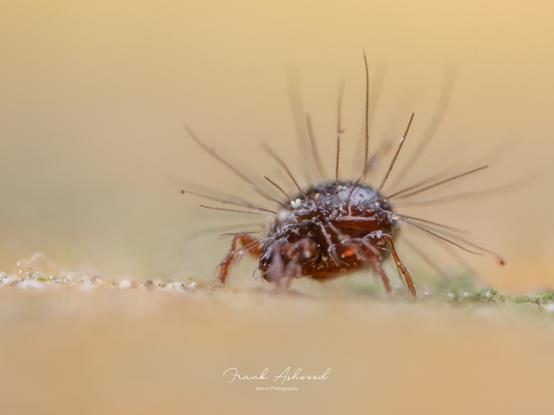
I guess I'll just contribute from here with some photos instead, starting with this beautiful red-legged mite traversing a moss-covered log.

#SoilBiodiversity #SoilEcology #Macrophotography #Soil #TheWorldBeneathOurFeet

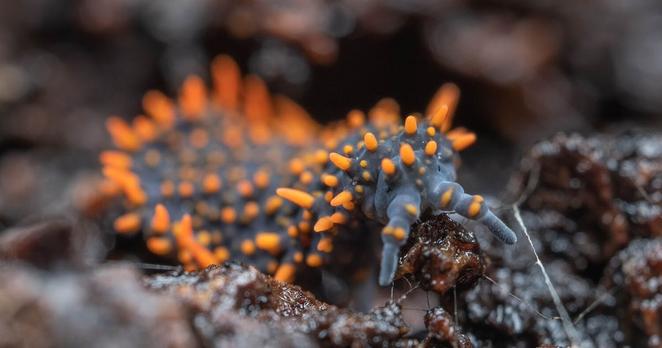
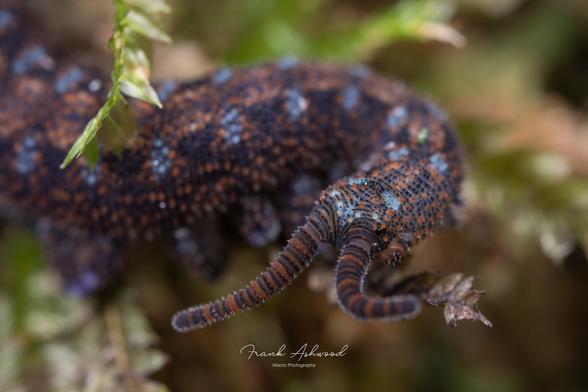
I appreciate all the love for my previous post, so, here's a little more velvet worm / Peripatus cuteness to start your weekend off right!

Beneath that adorable little eye, you can see the stumpy glue cannon, which it uses to subdue prey!

#SoilEcology #Macrophotography #SoilBiodiversity #Entomology #TheWorldBeneathOurFeet #Onychophora #Peripatus

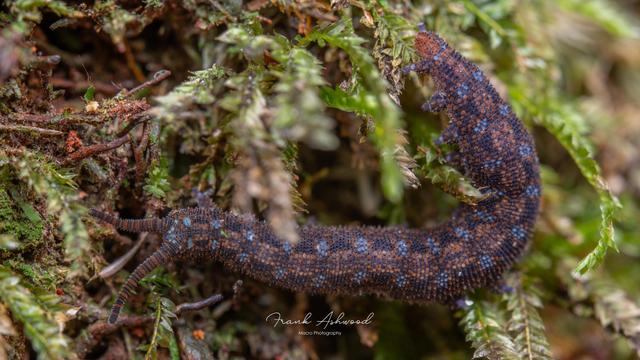
I recently discovered this incredible creature while on a night walk in the NZ bush. Known as a 'Velvet Worm', this adorable invertebrate is actually an active predator which immobilises its prey with organic glue fired from turrets on its head!

Basically unchanged in about 400 million years, they are so wonderful that of course they get more than a few mentions in my upcoming book 'The World Beneath Our Feet' (coming later this year).

#SoilEcology #Macrophotography #SoilBiodiversity #Entomology #TheWorldBeneathOurFeet #Onychophora

@mrillig

You may thank us ✌️πŸͺ±βœŒοΈ

"Crucially, both field and laboratory data demonstrated a significant reduction in particle size in casts compared to soil (6.48% and 19.8%, respectively), supporting the potential earthworm effects on MP (microplastic) mechanical attrition. Polymer compositions in casts mirrored those in soils, exhibiting a nonselective and passive ingestion pathway. Beyond physical transport, the formation of field biogenic polymer aggregates facilitated chemical aging of MPs, as evidenced by elevated oxidation indices. This process was likely accelerated by the enrichment of plastic-degrading microbial taxa (e.g., Flavobacterium) within casts, which exhibited up to a 35.6-fold increase in relative abundance."

#Earthworms #Microplastics #EcosystemEngineers #SoilBiology #SoilEcology #EnvironmentalToxicology

Today Andy Murray (the macrophotographer) shared a magnificent photo on Instagram of the only species of 'mite' harvester (Cyphophthalmi) ever found in the UK. Here's one from New Zealand - can you spot the difference?

Cyphophthalmi are bizzare, and really interesting from a biogeography perspective: each of the six currently recognized families has a distinct distribution, which reflect plate tectonics and ancient landmasses.

The species here in Aotearoa (and Australia, South Africa and South America) are in the family Pettalidaea, a completely different family to those in Europe and North America (the Sironidae). These families can be traced back to the breakup of Pangea into the two ancient landmasses of Gondwana and Laurasia during the late Triassic period some 200ish million years ago! It's incredible that the history of the earth can be partly told through the distribution of these unassuming little weirdoes.

#SoilBiodiversity #SoilEcology #Entomology #Acarology #Soil #Nature #MacroPhotography #TheWorldBeneatOurFeet
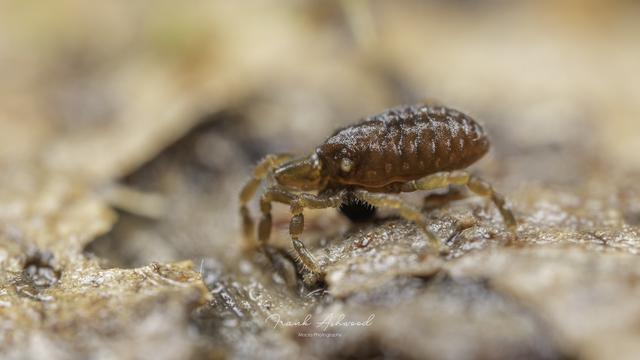
There are few soil animals as adorable as springtails!

This Platunurida sp. is a cousin of the famous 'giant' springtails in New Zealand. Instead of colourful spines, it has a flattened body, so it can squeeze into cracks in decaying logs, where it lives. They're surprisingly fast at escaping into the cracks, so it's difficult to get a good photo of them!

#Entomology #Macrophotography #SoilBiodiversity #Nature #SoilFauna #NaturePhotography #Soil #SoilEcology #TheWorldBeneathOurFeet

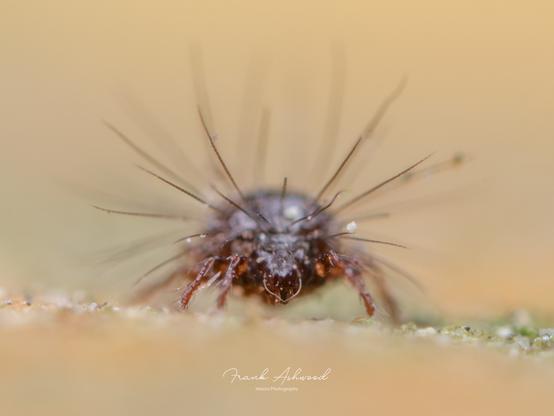
It's week 3 of fatherhood, and today I was granted special dispensation from shopping, housework, nappies and feeding, to do a brief spot of macrophotography in the sunshine, brilliant!

The highlight was this incredible Oribatid mite, sporting long defensive spines (Neotrichozetes spinulosa). I've nicknamed it the Hellraiser mite, which seems to be catching on - feel free to use it too!

#Macrophotography #SoilBiodiversity #SoilEcology #Acari #Entomology #Nature #NaturePhotography #Acarology #Mite