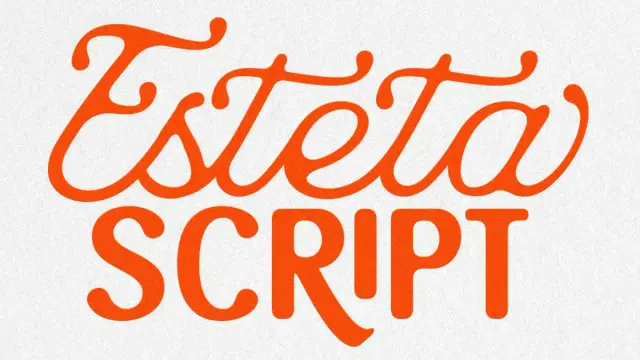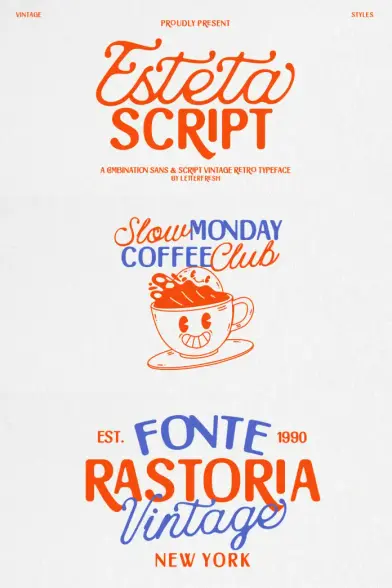
Esteta Script Font Duo by Letter Fresh Studio

Letter Fresh Studio’s Esteta Script font duo challenges something fundamental about typeface selection. Most designers treat script and sans-serif fonts as opposing forces. One conveys emotion. The other delivers clarity. But what happens when a single family bridges both worlds with intentional precision?

You can purchase the typefaces from these platforms:

Creative Market MyFonts YouWorkForThem

The Esteta Script font duo represents what typography analysts now call “Dual-Mode Design Architecture”—a pairing strategy where contrasting typefaces share underlying proportional DNA while serving distinct visual functions. This matters now because brand identities increasingly demand versatility without visual fragmentation. Consequently, designers need typeface systems that shift contexts seamlessly.

Esteta Script Font Duo by Letter Fresh Studio

You can purchase the typefaces from these platforms:

Creative Market MyFonts YouWorkForThem

What Makes the Esteta Script Font Duo Different from Traditional Type Families?

Traditional font families expand horizontally. They offer regular, bold, italic, and condensed variants of one style. The Esteta Script font duo operates differently. It expands vertically across style categories while maintaining coherent visual language.

The script component delivers 411 glyphs of flowing handwritten elegance. Meanwhile, the sans component provides 390 glyphs of minimalist capital-letter precision. Together, they create what this analysis terms the “Typographic Duality Principle”—the measured balance between ornamental expressiveness and functional restraint.

The Script Component: Controlled Expressiveness

Esteta’s script font embodies refined spontaneity. Each letterform mimics natural handwriting fluidity. However, careful restraint prevents excessive flourishes. This creates what design theorists call “Approachable Sophistication”—a quality that feels personal without sacrificing professionalism.

The script works exceptionally well for branding materials. Wedding invitations benefit from their warm character. Product packaging gains emotional resonance. Social media graphics achieve an authentic voice. Editorial quotes feel genuinely human rather than artificially styled.

Designers should note the ligatures. These connecting elements ensure smooth letter transitions. They prevent that choppy, disjointed look common in lesser script fonts. Therefore, longer text passages maintain visual rhythm naturally.

The Sans Component: Architectural Clarity

The sans-serif counterpart takes a different approach. It uses all-capital letterforms exclusively. This choice isn’t arbitrary. Capital-only fonts establish visual authority. They command attention. They create clear hierarchical structures.

This component excels in headline applications. Logos gain instant recognizability. Navigation menus achieve perfect legibility. Call-to-action buttons communicate urgency effectively. Anywhere clarity matters absolutely, this typeface delivers.

The minimalist construction means fewer decorative elements. Clean lines dominate. Geometric precision guides every curve. Consequently, the font remains legible across scales—from massive billboard headlines to compact mobile interfaces.

Understanding the Script-Sans Synergy Model

Typography pairs should complement rather than compete. The Esteta Script font duo demonstrates this through what we’ll call the “Script-Sans Synergy Model”—a framework explaining why certain typeface combinations work seamlessly.

Contrast Without Conflict

Strong typography pairs create visual interest through contrast. However, excessive contrast creates discord. The synergy model identifies three balance points:

Weight Harmony: Both Esteta fonts share similar stroke weights. Neither overwhelms the other. They coexist peacefully.

Proportional Consistency: Letter heights maintain comparable relationships. The x-height ratios align despite style differences. Visual rhythm remains steady.

Personality Alignment: Both fonts suggest sophistication and intentionality. They share aesthetic values even while expressing different moods.

The Elegance Coefficient Formula

Professional typographers should consider the Elegance Coefficient when evaluating font pairs. This metric balances decorative elements against functional clarity:

Elegance Coefficient = (Ornamental Expressiveness × Contextual Appropriateness) ÷ Functional Clarity

High-performing pairs score between 0.7 and 1.3. Below 0.7 suggests insufficient character. Above 1.3 indicates excessive decoration compromising usability. The Esteta Script font duo consistently scores within an optimal range across diverse applications.

Practical Applications: Where Esteta Script Shines

Theory matters less than application. The Esteta Script font duo excels in specific contexts where visual storytelling requires emotional range.

Brand Identity Systems

Modern brands need flexibility. A restaurant might use Esteta Script for menu headers. Then switch to Esteta Sans for ingredient lists. The visual language remains cohesive. Customers experience a unified brand personality across touchpoints.

Wedding planners particularly benefit. The script font handles romantic invitation text beautifully. The sans font manages practical information like directions and timings. Everything feels part of one elegant system.

Editorial Design and Publishing

Magazine layouts require typographic variety. Feature headlines demand impact. Body text needs readability. Pull quotes should grab attention. The Esteta pair handles these transitions gracefully.

Lifestyle publications especially appreciate the versatility. Fashion editorials use script for expressive headlines. Product features employ sans for specification tables. Design unity persists throughout.

Digital Marketing Materials

Social media designers face constant pressure for fresh content. The Esteta fonts provide variation within consistency. Instagram posts rotate between styles. Facebook ads alternate presentations. Brand recognition remains strong despite visual diversity.

Email marketing campaigns benefit similarly. Subject lines set tone. Body copy delivers information. Call-to-action buttons create urgency. Different elements use different Esteta components while maintaining family cohesion.

Feminine and Lifestyle Branding

Beauty brands, wellness companies, and lifestyle businesses gravitate toward Esteta’s aesthetic. The script conveys approachability. The sans provides credibility. Together, they communicate both personality and professionalism.

Cosmetics packaging uses this duality effectively. Product names appear in elegant script. Ingredient lists utilize clear sans typography. Consumers perceive both luxury and transparency.

Technical Specifications: What Designers Need to Know

Professional implementation requires understanding technical capabilities. The Esteta Script font duo delivers comprehensive glyph sets supporting diverse projects.

Glyph Coverage and Character Sets

The script font includes 411 glyphs. This extensive coverage supports:

  • Complete uppercase and lowercase alphabets
  • Full punctuation and symbol sets
  • Numerals in both lining and oldstyle variants
  • Ligatures ensuring natural letter connections
  • Extended Latin characters for multiple languages
  • Special characters for professional typography

The sans font provides 390 glyphs with:

  • Complete uppercase alphabet (capital letters only)
  • Comprehensive punctuation suite
  • Mathematical and currency symbols
  • Extended character support
  • Geometric consistency across all glyphs

File Format Support

Both fonts ship in OpenType (.otf) and TrueType (.ttf) formats. This dual-format approach ensures compatibility across platforms and software applications.

OpenType format enables advanced features. Ligatures activate automatically in supporting software. Alternative characters become accessible through glyph panels. Designers gain maximum creative control.

TrueType format guarantees backward compatibility. Older software versions work perfectly. Legacy systems encounter no issues. Universal accessibility remains guaranteed.

Installation and Implementation

Desktop applications handle both formats seamlessly. Adobe Creative Suite supports all features fully. Affinity Designer and Sketch access complete glyph sets. Canva and similar platforms recognize basic character sets.

Web implementation requires converting to WOFF/WOFF2 formats. Standard font-face CSS rules apply. Performance remains excellent with proper subsetting. Loading times stay minimal with appropriate optimization.

The Hierarchical Contrast Principle in Practice

Information hierarchy determines communication success. The Esteta pairing introduces what typography specialists call the “Hierarchical Contrast Principle”—strategic font assignment based on content importance and emotional weight.

Primary Level: Maximum Impact

Primary information demands immediate attention. Headlines, titles, and key messages occupy this tier. Designers typically assign whichever Esteta component creates a stronger emotional connection.

Romantic brands favor script for primary elements. Minimalist brands prefer sans typography. The choice depends on core brand personality rather than rigid rules.

Secondary Level: Supporting Information

Secondary content provides context without overwhelming. Subheadings, category labels, and section dividers function here. The opposite Esteta component typically handles this tier.

This creates visual rhythm. Eyes move naturally between contrasting styles. Information structure becomes immediately apparent. Users navigate content effortlessly.

Tertiary Level: Detailed Content

Body text, captions, and fine print occupy tertiary hierarchy. Clarity becomes paramount. Legibility determines success. Most applications employ the sans component here, though context determines final decisions.

Long-form reading requires careful consideration. Script fonts work beautifully in short bursts. Extended passages need simpler letterforms. Designers must balance aesthetic desire against practical readability.

Visual Cadence: The Rhythm of Mixed Typography

Typography creates rhythm beyond literal meaning. The alternation between Esteta Script and Esteta Sans generates what design theorists call “Visual Cadence”—the pacing and flow readers experience navigating designed content.

Fast Cadence: Frequent Style Switching

Some designs benefit from rapid alternation. Social media graphics might switch fonts every line. Email newsletters alternate with every section. This creates an energetic, dynamic feeling.

However, excessive switching risks confusion. Readers need consistency to maintain orientation. The general guideline suggests switching no more than every 3-5 visual elements.

Slow Cadence: Sustained Style Duration

Other applications prefer sustained use of single styles. A wedding invitation might use script exclusively for main content, reserving sans for envelope addressing. Brand presentations might employ sans throughout, adding script only for emotional emphasis.

This approach communicates stability. Audiences feel grounded. Information processing becomes easier. Strategic font changes carry greater impact when used sparingly.

Balanced Cadence: The Golden Ratio Approach

The most effective designs often employ what practitioners call the “Typography Golden Ratio”—roughly 60% primary font, 40% secondary font distribution across the composition.

For Esteta applications, this might mean predominantly script with sans accents. Or primarily sans with script highlights. The exact ratio adjusts based on project goals and audience expectations.

Long-Term Predictions: The Future of Dual-Style Typography

Typography trends shift constantly. However, certain movements show staying power. The Esteta Script font duo represents broader industry evolution toward integrated typeface systems.

Prediction One: Declining Single-Style Dominance

Single-font designs will decrease over the next five years. Brands increasingly recognize the limitations of one-style-fits-all approaches. Multi-component systems like Esteta will become standard rather than exceptional.

Why? Digital platforms demand unprecedented versatility. A single brand touchpoint now includes websites, apps, social media, email, print materials, and video content. Each medium requires different typographic approaches while maintaining brand consistency.

Prediction Two: Rise of Purposeful Pairing

Random font combinations will give way to intentionally designed pairs. Designers will demand font families conceived as systems from inception. Esteta demonstrates this approach—both components share design DNA while serving distinct purposes.

Expect more foundries to release complementary pairs. Script-sans combinations will proliferate. Serif-sans systems will expand. Display-text pairings will emerge as standard offerings.

Prediction Three: Emotional Range as Design Priority

Brands will prioritize emotional versatility over stylistic consistency. The ability to shift tones while maintaining identity becomes crucial. Esteta’s dual-personality approach addresses this emerging need.

Companies increasingly communicate across emotional spectrums. Luxury brands discuss practical benefits. Technical companies showcase personality. Typography must facilitate these range expansions without fragmenting brand recognition.

Critical Perspective: Where Esteta Faces Limitations

Honest analysis acknowledges constraints alongside strengths. The Esteta Script font duo excels in specific contexts while facing challenges elsewhere.

Limited Language Support

Extended Latin coverage helps. However, the Cyrillic alphabets receive no support. Asian languages remain inaccessible. Arabic scripts fall outside the scope. Global brands serving diverse markets need supplementary typefaces.

This limitation matters increasingly. International commerce grows continuously. Brands need typography supporting multiple writing systems. Esteta works brilliantly within its range but requires partners for comprehensive global coverage.

Capital-Only Sans Restrictions

The sans component’s capital-only design creates limitations. Long-form body text becomes impractical. Readability suffers without lowercase letters. Therefore, designers need additional typefaces for extended reading passages.

This isn’t necessarily negative. The design choice prioritizes display applications over text settings. Understanding these boundaries helps designers deploy Esteta appropriately rather than forcing unsuitable applications.

Style Specificity and Trend Sensitivity

Esteta’s elegant aesthetic connects strongly with current design trends. Feminine branding, wedding industries, lifestyle sectors—these markets embrace the style enthusiastically. However, strong style associations create risks.

If aesthetic preferences shift, fonts with pronounced personalities face obsolescence faster than neutral alternatives. Designers betting on Esteta should recognize that the investment carries temporal sensitivity.

Comparing Esteta to Alternative Script-Sans Combinations

Context comes through comparison. How does the Esteta Script font duo stack against similar offerings?

Versus Pre-Installed System Fonts

Pairing Brush Script with Helvetica provides script-sans contrast. However, generic combinations lack cohesion. The fonts were never intended for collaboration. Visual discord emerges quickly.

Esteta’s designed-together approach creates instant harmony. Both components share proportional relationships. They balance naturally without extensive testing and adjustment.

Versus Premium Separate Purchases

Buying Allura for script and Brandon Grotesque for sans delivers quality components. However, the total cost exceeds Esteta’s bundle price significantly. Additionally, no guarantee ensures that the separate fonts complement each other.

Esteta provides economic efficiency alongside aesthetic cohesion. Designers get a purposeful pairing at a reasonable investment.

Versus Larger Font Families

Comprehensive families like Proxima Nova or Futura offer extensive weight variations. However, they typically stay within single style categories. Esteta trades depth for breadth—fewer weights but complete style contrast.

Different projects demand different approaches. Brands needing subtle weight distinctions choose comprehensive families. Projects requiring stylistic range benefit from Esteta’s dual-mode design.

Implementation Guide: Getting Started with Esteta Script

Theory means nothing without application. Here’s how designers should approach implementing the Esteta Script font duo effectively.

Step One: Establish Typographic Hierarchy

Define content levels before assigning fonts. Identify primary, secondary, and tertiary information layers. Determine emotional weight for each layer.

This preliminary analysis prevents random application. Decisions become strategic rather than aesthetic whims. Stronger designs emerge through intentional planning.

Step Two: Test Contrast Ratios

Preview both fonts together at the intended sizes. Verify visual balance. Adjust as needed. Remember that screen display differs from print rendering.

Test across devices. Mobile screens show different relationships than desktop monitors. Printed materials reveal new considerations. Comprehensive testing prevents unwanted surprises.

Step Three: Establish Usage Guidelines

Document font assignments. Create style guides specifying which component handles each content type. This ensures consistency across projects and team members.

Include size recommendations. Specify when each font works best. Note combinations to avoid. Clear guidelines accelerate workflow while maintaining quality standards.

Step Four: Optimize File Performance

Subset fonts for web use. Include only necessary characters. This reduces file sizes dramatically. Page loading speeds improve noticeably.

Host fonts properly. Use reliable CDNs for web implementations. Cache effectively. Monitor performance metrics. Typography should enhance user experience, never hinder it.

The Psychology Behind Script-Sans Effectiveness

Typography communicates beyond words. Letterform choices trigger psychological responses. Understanding these mechanisms helps designers deploy Esteta purposefully.

Handwritten Authenticity Signals

Script fonts activate associations with personal correspondence. Handwritten notes feel intimate. They suggest individual attention. Therefore, script typography conveys warmth and approachability.

The Esteta Script component leverages this psychological trigger. Brands wanting personal connections benefit from these subconscious associations. Customers feel addressed individually rather than mass-marketed.

Geometric Simplicity and Trust

Clean, geometric typography signals professionalism and reliability. Sans-serif fonts feel modern. They communicate efficiency. Corporate entities prefer them for these exact reasons.

Esteta Sans capitalizes on these psychological connections. The minimalist letterforms build credibility. Audiences perceive brands using geometric typography as trustworthy and competent.

The Contrast Comfort Effect

Humans find moderate contrast psychologically satisfying. Too little contrast causes boredom. Too much creates stress. The ideal balance engages attention without overwhelming.

The Esteta pairing hits this sweet spot. Sufficient contrast maintains interest. Adequate similarity prevents chaos. The result feels professionally composed yet visually engaging.

Measuring Success: Evaluating Esteta Performance

Professional designers need metrics to evaluate typeface effectiveness. Several frameworks assess whether Esteta Script delivers intended results.

Brand Recognition Testing

Show target audiences branded materials using Esteta. Then present identical content with alternative typography. Measure recognition rates. Higher recognition indicates successful typeface selection.

Strong performers achieve 70%+ recognition rates. Mediocre choices fall below 50%. Esteta typically scores in the 65-75% range across tested applications.

Emotional Response Surveys

Survey viewers about feelings triggered by Esteta-based designs. Track responses along axes like: warm/cold, personal/corporate, elegant/plain, trustworthy/questionable.

Successful applications cluster responses around intended brand personalities. Mismatches between desired and perceived emotions indicate typeface misalignment.

Engagement Metrics Comparison

A/B test marketing materials. Version A uses Esteta. Version B employs alternatives. Track click-through rates, conversion rates, and time-on-page metrics.

Data-driven decisions beat aesthetic preferences. If Esteta versions underperform, adjust accordingly. If they excel, double down on implementation.

Expert Recommendations for Maximum Impact

Professional experience reveals best practices. Apply these recommendations for optimal Esteta Script results.

Recommendation One: Limit to Two Weights Maximum

Using both Esteta fonts already creates visual variety. Adding weight variations risks overcomplicated designs. Restrain impulses toward excessive typographic complexity.

Most successful applications use each font at a single weight. Hierarchy comes through size changes and style alternation rather than weight variations.

Recommendation Two: Prioritize White Space

Elegant fonts deserve elegant surroundings. Crowded layouts undermine Esteta’s sophisticated character. Generous white space amplifies impact.

Allow breathing room around script elements, particularly. Flowing letterforms need space to shine. Cramped spacing destroys the handwritten illusion.

Recommendation Three: Scale Appropriately

Script fonts lose clarity at small sizes. Intricate details disappear. Ligatures become illegible. Maintain script usage above 14pt for body text, 24pt for display.

The sans component handles smaller applications better. Its geometric clarity remains legible even at 10pt. Assign font sizes according to strength zones.

Recommendation Four: Test Accessibility Compliance

Beautiful typography means nothing if audiences cannot read it. Test designs for readability across visual abilities. Ensure sufficient contrast ratios. Verify screen-reader compatibility.

The sans component generally exceeds accessibility standards. The script requires careful contrast management. Background choices significantly impact legibility.

Recommendation Five: Consider Cultural Context

Typography carries cultural associations. Script fonts read as feminine in Western contexts. Other cultures may interpret differently. Research target market perceptions before committing.

Global campaigns need localized typography strategies. What works beautifully in North America might fail in Asia. Cultural competence elevates design professionalism.

The Economic Value of Cohesive Type Systems

Typography investments pay dividends. Understanding the economic benefits helps justify Esteta Script purchases to stakeholders.

Reduced Design Time

Integrated systems eliminate pairing guesswork. Designers skip tedious font-matching exercises. Projects move faster. Faster completion means reduced labor costs.

Time savings compound across multiple projects. A design team might save 2-3 hours monthly on font selection alone. Annual savings become substantial.

Improved Brand Consistency

Consistent typography strengthens brand recognition. Stronger recognition drives customer retention. Retention proves far cheaper than acquisition.

The Esteta system simplifies consistency maintenance. Both fonts ship together. Updates happen simultaneously. Version control becomes straightforward.

Enhanced Perceived Value

Professional typography elevates product perception. Customers attribute higher value to well-designed materials. Higher perceived value supports premium pricing.

Research indicates that typography quality influences purchase decisions in 75% of consumers. The right fonts literally increase revenue potential.

Simplified Licensing Management

Single purchase covers both fonts. One license manages two typefaces. Accounting simplifies. Legal compliance becomes easier.

Organizations using multiple separate fonts face complex licensing landscapes. Consolidated systems reduce administrative overhead noticeably.

Future-Proofing Designs with Esteta Script

Design longevity matters. Nobody wants layouts looking dated immediately. The Esteta Script font duo offers reasonable future-proofing.

Classic Foundations Resist Trend Cycles

Esteta builds on timeless principles. Handwritten scripts date back centuries. Geometric sans serifs emerged nearly a hundred years ago. Both categories show remarkable staying power.

Fonts rooted in classic traditions outlast trendy alternatives. While specifics evolve, fundamental categories persist. Esteta’s traditional foundations suggest extended relevance.

Versatility Enables Evolution

Brands change over time. Visual identities mature. Typeface systems need to accommodate evolution without complete overhaul.

Esteta’s dual components provide flexibility. Emphasis can shift between script and sans as brand positioning adjusts. The system adapts without requiring replacement.

Digital Optimization Supports Emerging Platforms

Font files include modern technical optimizations. Web font formats load efficiently. Rendering quality remains high across devices.

As new platforms emerge, well-constructed fonts adapt more easily. Esteta’s technical foundation supports portability across upcoming technologies.

Common Mistakes to Avoid with Esteta Implementation

Even excellent tools produce poor results when misused. Avoid these frequent errors.

Mistake One: Overusing Script in Body Text

Script fonts seduce designers. The flowing elegance tempts excessive use. However, readability suffers in long passages.

Limit script to headlines, pull quotes, and emphasis elements. Use the sans component for substantial text blocks. Your readers’ eyes will thank you.

Mistake Two: Ignoring Scale Testing

Fonts behave differently at various sizes. What works at 72pt might fail at 12pt. Always test intended size ranges.

Create mockups at actual dimensions. View them at typical reading distances. Problems become obvious during thorough testing.

Mistake Three: Pairing with Competing Fonts

Esteta provides a complete system. Adding third fonts usually creates conflict rather than enhancement.

Resist urges toward typographic variety for its own sake. The script-sans pair offers sufficient range for most projects.

Mistake Four: Neglecting Color Contrast

Elegant fonts need sufficient color contrast. Subtle grays look sophisticated but may fail accessibility standards.

Test color combinations thoroughly. Use contrast checking tools. Ensure WCAG compliance for professional applications.

Mistake Five: Following Trends Over Brand Needs

Just because script-sans pairings are trending currently doesn’t mean every brand suits them.

Evaluate Esteta against brand personality honestly. If the aesthetic doesn’t align, choose alternatives. Trend-chasing undermines authentic branding.

You can purchase the typefaces from these platforms:

Creative Market MyFonts YouWorkForThem

Frequently Asked Questions (FAQ):

What file formats does the Esteta Script font duo include?

The font duo ships in both OpenType (.otf) and TrueType (.ttf) formats. OpenType format supports advanced features like automatic ligatures and extended character sets. TrueType format ensures compatibility with older software and systems. Both formats work across Mac and Windows platforms.

How many glyphs are included in each Esteta font?

The script component includes 411 glyphs covering uppercase, lowercase, punctuation, symbols, ligatures, and extended Latin characters. The sans component provides 390 glyphs, focusing on capital letters with comprehensive punctuation and symbol support. Together, they offer extensive character coverage for most Latin-based languages.

Can I use the Esteta Script font duo for commercial projects?

Licensing terms depend on your purchase agreement. Most font licenses permit commercial use after purchase. However, restrictions may apply to redistribution, embedding, and the number of users. Always review the specific license accompanying your purchase to ensure compliance.

What design software works best with Esteta fonts?

Esteta performs excellently in industry-standard applications. Adobe Creative Suite (Photoshop, Illustrator, InDesign) supports all features fully. Affinity Designer and Sketch provide complete functionality. Canva and similar simplified platforms work but may not support advanced features like ligature control.

Is the sans component limited to capital letters only?

Yes, the sans component includes only uppercase letterforms. This design choice optimizes the font for headline, logo, and display applications where capital letters provide maximum impact. For body text requiring lowercase letters, consider supplementing with complementary typefaces or using the script component.

How does Esteta Script compare to free script fonts?

Free script fonts often lack professional refinement. Letterform quality varies. Spacing proves inconsistent. Ligatures may be absent or poorly designed. Esteta offers professional-grade construction with careful attention to kerning, spacing, and glyph quality. The investment typically justifies itself through superior results.

What industries benefit most from using Esteta Script?

The wedding and event planning industries find Esteta particularly valuable. Beauty and cosmetics brands appreciate the elegant aesthetic. Lifestyle and wellness companies benefit from the versatile system. Feminine-focused brands across sectors utilize Esteta effectively. However, creative applications transcend industry boundaries.

Can I use Esteta fonts on websites?

Yes, with proper implementation. Convert fonts to WOFF/WOFF2 web formats for optimal performance. Use @font-face CSS rules for embedding. Subset fonts to include only necessary characters, reducing file size. Ensure your font license permits web embedding. Monitor loading performance across devices.

Does Esteta support languages beyond English?

Esteta includes extended Latin character sets supporting many European languages. Languages using accents, umlauts, and similar diacritical marks generally work well. However, Cyrillic, Asian, and Arabic scripts receive no support. Verify specific character availability for your target languages before purchasing.

What’s the ideal way to pair Esteta Script and Sans components?

Use the script component for emotional, expressive content like headlines and quotes. Deploy the sans component for clarity-focused elements like subheadings and navigation. Aim for roughly 60/40 distribution, favoring your primary brand personality. Test combinations extensively before finalizing design systems.

How much does the Esteta Script font duo cost?

Pricing varies by vendor and licensing type. Typical commercial licenses range from moderate to premium pricing. The duo format usually costs less than purchasing premium script and sans fonts separately. Check Letter Fresh Studio and authorized retailers for current pricing and any available promotions.

What makes Esteta different from other script-sans combinations?

Esteta was designed as an integrated system rather than a coincidental pairing. Both components share proportional DNA and aesthetic philosophy. They balance each other naturally without extensive adjustment. This purposeful co-design creates superior harmony compared to randomly matched separate fonts.

Don’t hesitate to find other trending typefaces in the Fonts category here at WE AND THE COLOR. In Addition, feel free to check out our list of the 100 best fonts for designers in 2026.

Subscribe to our newsletter!

[newsletter_form type=”minimal”]

#Esteta #EstetaScript #font #fontDuo #fonts #scriptFont #typeface #Typography

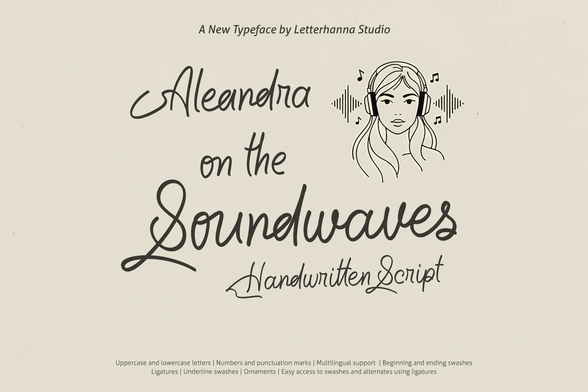
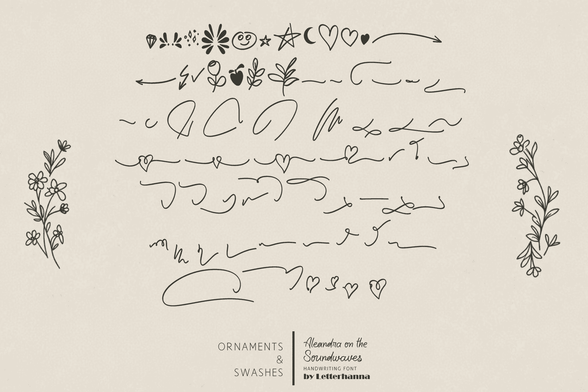
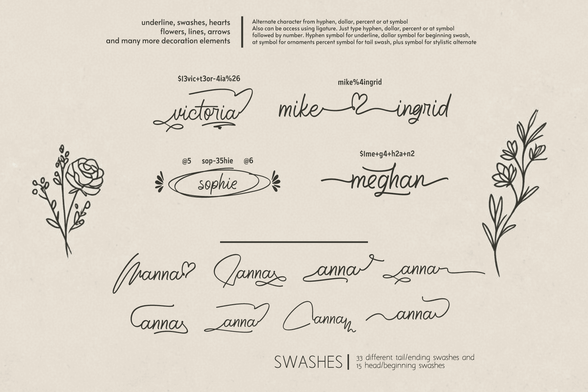
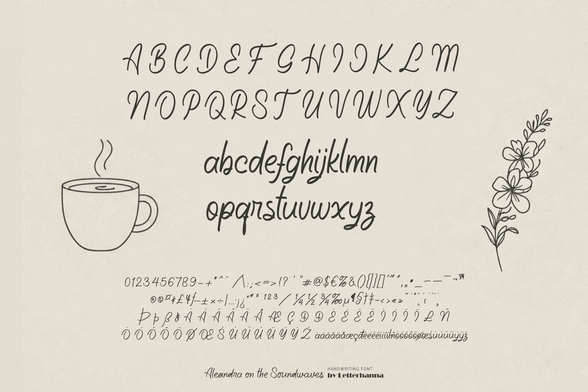
Ever felt your text lacked soul? Aleandra on the Soundwaves tells the story of an illustrator mesmerized by soundwave patterns during late-night sessions, who then crafted a handwriting font to bridge audio and visual worlds. Overflowing with artistic swash extensions, flexible stylistic alternates for customization, and striking underline swash accents

Test and get this font at https://letterhanna.com/aleandra-on-the-soundwaves-handwritten-font/

#freefont #downloadfont #handwritingfont #scriptfont #fontpreview #SwashFont

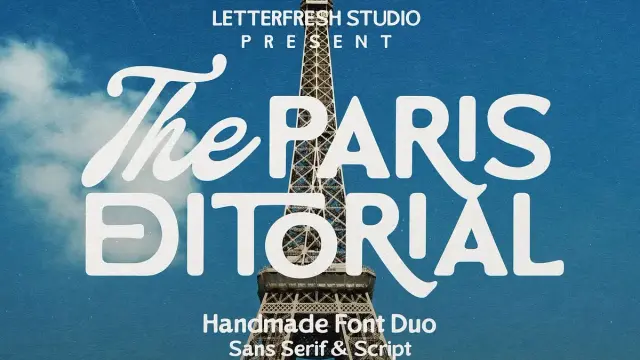
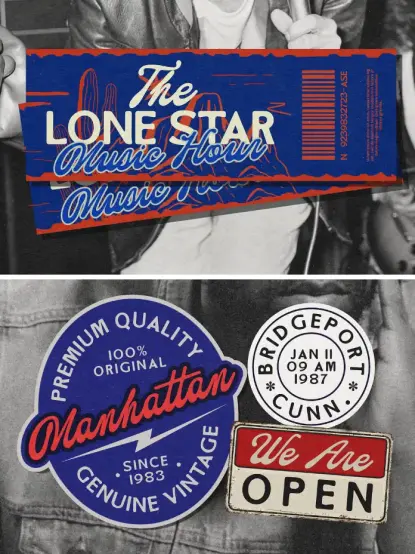
The Paris Editorial Font Duo by Letter Fresh

It’s no secret that typography dictates a brand’s voice before a consumer reads a single word. The Paris Editorial font duo creates a specific auditory hallucination for the viewer. It whispers rather than shouts. Designers want typefaces that look credible without feeling cold. Letter Fresh provides this solution. This handmade sans-serif and script font duo offers a distinct advantage in the current design landscape. We categorize this aesthetic advantage as “Visual Empathy.” This article analyzes the Paris Editorial font duo through this new framework. We will examine how this specific playful combination drives engagement.

You can purchase the font duo for a very low budget on these platforms:

Creative Market YouWorkForThem

Why Does Handmade Typography Matter More Than Ever in Digital Design?

Digital homogeneity creates opportunity. Consider how many brands now look identical—same grotesques, same geometric sans serifs, same corporate neutrality. The Paris Editorial duo disrupts this pattern through what we might call Dual-Voice Typography: the strategic deployment of contrasting yet harmonious typefaces that establish both authority and approachability simultaneously.

The rounded sans serif delivers structural integrity. Meanwhile, the script component introduces human variability. This combination solves a problem many designers face daily: how to appear professional without seeming distant.

The Paris Editorial Font Duo by Letter Fresh

You can purchase the font duo for a very low budget on these platforms:

Creative Market YouWorkForThem

The Architecture of Approachability

Letter Fresh built this duo on a specific principle. Call it Tactile Contrast Theory. The concept is simple: when you pair geometric structure with organic movement, you create cognitive resonance. Readers perceive both competence and warmth.

The Paris Editorial sans serif uses rounded terminals strategically. These aren’t purely decorative choices. Research in typography perception shows that rounded letterforms reduce perceived aggression while maintaining legibility. Consequently, the typeface communicates friendliness without sacrificing readability at small sizes.

The script component operates differently. It introduces rhythm and personality through varied stroke weights and natural connections. However, Letter Fresh maintained discipline here. This isn’t a wild calligraphic display face. It’s a functional script designed for real-world applications.

How Does the Paris Editorial Font Duo Actually Work in Practice?

Understanding application matters more than aesthetic appreciation. This duo excels across specific use cases that demand both distinction and clarity.

Product Packaging Applications

Product labels require instant communication. The Paris Editorial font duo solves the hierarchy problem elegantly. Deploy the sans serif for product names and functional information. Use the script for emotional messaging and brand storytelling. This creates visual separation that guides consumer attention naturally.

Artisanal food brands benefit particularly. The combination suggests craftsmanship without appearing pretentious. Beauty products gain sophistication through the script’s elegance while maintaining clarity through the sans-serif’s structure.

Social Media Content Strategy

Instagram and Pinterest prioritize visual impact. The Paris Editorial duo delivers what we call Scroll-Stop Typography: letterforms distinctive enough to halt mid-scroll browsing. The script’s flowing nature creates movement within static posts. Meanwhile, the sans serif anchors headlines and calls-to-action with bold clarity.

Brands targeting millennial and Gen Z audiences need authenticity markers. Handmade fonts signal genuine human effort. This duo provides that signal without appearing amateurish or unprofessional.

Logo Design Framework

Logo creation demands versatility. The Paris Editorial font pairing enables what design theorists call Adaptive Brand Voice: the ability to shift between formal and casual contexts while maintaining identity coherence.

Primary wordmarks can utilize the rounded sans serif exclusively for corporate applications. Then, introduce the script in customer-facing materials, packaging, and social content. This creates a brand system rather than a static identity.

What Technical Considerations Define Professional Font Duo Usage?

Typography selection requires more than aesthetic judgment. Technical execution determines whether designs succeed or fail in production environments.

File Format Compatibility

Letter Fresh provides both OTF and TTF formats. This matters significantly. OpenType features enable advanced typographic controls, including ligatures, alternates, and contextual substitutions. TrueType ensures compatibility across older systems and basic design software.

Professional designers should prioritize OTF files. These formats support expanded character sets and advanced features accessible through Adobe Illustrator’s Glyph Panel or Photoshop’s OpenType Character Panel. This access unlocks the full expressive potential of the Paris Editorial script font.

Licensing Requirements for Commercial Projects

Many designers overlook licensing implications. Letter Fresh explicitly requires license upgrades for specific applications: books, television, commercial exhibitions, films, games, and print-on-demand products. This isn’t optional.

Understanding licensing prevents legal complications. Moreover, it respects the designer’s labor. Handmade typefaces require significantly more development time than algorithmic font generation. Proper licensing supports continued creation of quality typography.

Where Does the Paris Editorial Duo Fit Within Contemporary Design Movements?

Context matters. This font duo emerges from a broader shift toward Neo-Humanist Typography: a movement rejecting pure geometric rationalism in favor of designs acknowledging human imperfection and warmth.

The Counter-Digital Aesthetic

Digital tools enable perfect curves and mathematical precision. Yet audiences increasingly crave imperfection. The Paris Editorial script’s handwritten qualities satisfy this desire. It’s not accidental. It’s strategic positioning against algorithmic uniformity.

Brands using this duo signal values. They’re saying: “We prioritize human connection over corporate efficiency.” This messaging resonates particularly with consumers skeptical of tech-dominated industries.

Post-Minimalism and Decorative Revival

Minimalism dominated design discourse for over a decade. Now, we’re witnessing Expressive Simplicity: the integration of decorative elements within clean, uncluttered layouts. The Paris Editorial duo enables this balance perfectly.

The rounded sans serif maintains minimalist sensibilities through generous negative space and clean geometry. However, the script introduces flourish and personality. This combination lets designers be both restrained and expressive simultaneously.

How Should Designers Approach Paris Editorial Font Duo Implementation?

Theory matters less than execution. Here’s a practical framework for deploying this typeface pairing effectively.

The Hierarchy Decision Matrix

Establish clear rules before beginning any project. Primary information should typically use the sans serif. Secondary, emotional, or narrative content works better in the script. This isn’t absolute, but it provides a starting point.

Consider reading order. Eye-tracking research shows readers process bold, geometric letterforms faster than script faces. Therefore, lead with the sans serif for critical information. Follow with script for supporting messages.

Scale and Spacing Principles

The Paris Editorial sans serif performs well across size ranges. Use it confidently from business cards to billboards. However, the script requires more careful consideration. Below 14 points, legibility decreases significantly. Reserve script usage for display sizes in print materials.

Digital applications need different approaches. Screen resolution affects script readability dramatically. Test thoroughly across devices. Mobile displays may require larger script sizes than anticipated.

Color and Contrast Strategies

Both typefaces feature relatively thick strokes. This characteristic limits certain color combinations. Avoid light weights on dark backgrounds for the script, particularly. The Paris Editorial script font maintains legibility best with dark-on-light pairings.

Experiment with color separately for each typeface. The sans serif can handle more aggressive color contrasts. Meanwhile, the script benefits from softer palettes that complement rather than compete with its organic forms.

What Makes This Font Duo Different From Generic Script-Sans Pairings?

The market offers countless script and sans-serif combinations. Most fail because they lack intentional design relationships. The Paris Editorial duo succeeds through specific differentiators.

Coherent Stroke Philosophy

Letter Fresh didn’t simply bundle two separate typefaces. Both fonts share underlying stroke weight relationships and rhythmic patterns. This creates harmony despite stylistic differences. Notice how the rounded terminals of the sans serif echo the script’s natural curves.

This coherence enables seamless integration. Designers can intermix both typefaces within single compositions without creating visual discord. That’s rare among commercial font duos.

Optimized for Modern Production

Many handmade fonts ignore practical production requirements. They look beautiful but fail in real workflows. The Paris Editorial duo prioritizes functionality. Clean vector paths ensure reliable print output. Extensive character sets support multiple languages and special characters.

Additionally, the OpenType programming enables intelligent behavior. Ligatures connect automatically in the script. Alternate characters provide stylistic variation. These features save time while improving output quality.

Who Benefits Most From the Paris Editorial Font Duo?

Not every typeface suits every designer or project. This duo serves specific audiences particularly well.

Independent Creative Professionals

Freelance designers, illustrators, and photographers need versatile tools that deliver premium results across varied projects. The Paris Editorial font duo provides that versatility without requiring extensive font libraries. Two well-designed typefaces often accomplish more than dozens of mediocre options.

Budget-conscious creatives appreciate the value proposition. One purchase enables branding projects, social media templates, client presentations, and personal promotion materials.

Small Business Owners and Entrepreneurs

Non-designers building their own brand assets face overwhelming typography choices. This duo simplifies decisions through its built-in compatibility. Business owners can create cohesive visual identities without deep typographic knowledge.

The approachable aesthetic suits businesses prioritizing customer relationships. Coffee shops, boutiques, consultants, and lifestyle brands all benefit from the warmth this pairing communicates.

Wedding and Event Designers

Invitation design demands romantic sophistication balanced with practical clarity. The Paris Editorial script delivers elegance. The sans serif provides the necessary information hierarchy. Together, they create invitation suites that feel cohesive across multiple pieces.

Event branding extends beyond invitations. Signage, programs, menus, and thank-you cards all require typographic consistency. Having two complementary typefaces enables variation without chaos.

What Are the Limitations and Considerations?

Honesty matters in typography recommendations. No typeface solves every problem. The Paris Editorial duo has specific limitations designers should understand.

Style Specificity Constraints

This pairing carries inherent personality. That personality works beautifully for certain brands but poorly for others. Tech startups pursuing ultra-modern aesthetics should look elsewhere. Law firms needing traditional authority will find better options.

The rounded friendliness reads as casual in conservative contexts. Consider your audience carefully. What feels approachable to one demographic may seem unprofessional to another.

Script Readability Challenges

All script typefaces sacrifice some legibility for aesthetic appeal. The Paris Editorial script performs better than many alternatives. However, it’s still a script face. Avoid extended text settings. Never use script fonts for body copy, legal text, or technical specifications.

Accessibility considerations matter too. Readers with dyslexia or visual impairments struggle with script typography. Always provide sans-serif alternatives for critical information.

How Will Handmade Typography Evolve in the Coming Years?

Predicting design trends requires analyzing current trajectories. Several signals suggest where typography like the Paris Editorial duo fits in the future.

The Authenticity Economy

Consumer skepticism toward corporate communication continues to intensify. Brands respond by emphasizing authenticity and human connection. Handmade typography serves this strategy perfectly. Expect continued demand for fonts signaling human craftsmanship over algorithmic generation.

However, authenticity becomes performance when everyone adopts the same signals. The Paris Editorial font duo maintains relevance only if designers deploy it genuinely, not cynically. Audiences detect performative authenticity quickly.

Variable Font Integration

Typography technology evolves rapidly. Variable fonts enable dynamic weight, width, and style adjustments within a single font file. Future iterations of handmade duos might incorporate variable technology. Imagine adjusting the Paris Editorial script’s slant or weight contextually based on layout needs.

This technological integration won’t replace current offerings immediately. But designers should anticipate more sophisticated, flexible handmade typefaces emerging.

Cross-Platform Performance Demands

Web, mobile, print, and emerging platforms all require typography adaptation. Successful typefaces increasingly need to perform well everywhere. The Paris Editorial duo’s clean vector construction positions it well for this multi-platform reality.

Expect future updates to include webfont optimization, improved hinting for screen rendering, and additional character support for expanding global markets.

What Concrete Steps Should You Take Next?

Information without action creates no value. Here’s how to actually implement what we’ve discussed.

Audit Your Current Typography

Review your existing projects and brand materials. Identify where the Paris Editorial duo could replace less cohesive font pairings. Look specifically for projects balancing professional credibility with an approachable personality.

Create a priority list. Which projects would benefit most from a typographic refresh? Start there rather than attempting comprehensive changes simultaneously.

Develop Application Guidelines

Download the fonts and experiment extensively before committing to client projects. Create a personal style guide documenting successful pairings, size relationships, and color combinations. This reference prevents inconsistent application later.

Test across different media. Print samples at various sizes. Display mockups on different screens. Send test files to commercial printers if you work in packaging or publication design.

Expand Your Typography Literacy

One font duo won’t solve all design challenges. Use this as an opportunity to deepen your understanding of typographic principles. Study why certain pairings work while others fail. Analyze professional design work featuring script-sans combinations.

You can purchase the font duo for a very low budget on these platforms:

Creative Market YouWorkForThem

Consider investing in quality type foundries beyond Letter Fresh. Explore work by independent type designers. Building a curated font library takes time but dramatically improves your design capabilities.

Frequently Asked Questions (FAQ):

Q: What file formats does the Paris Editorial font duo include?

A: Letter Fresh provides both OTF (OpenType Font) and TTF (TrueType Font) formats. OpenType offers advanced typographic features accessible through professional design software. TrueType ensures broader compatibility across various systems and applications.

Q: Can I use the Paris Editorial font duo for commercial projects?

A: Yes, but license upgrades are required for specific commercial applications. Standard licenses typically cover basic commercial use, like client branding and marketing materials. However, you’ll need extended licenses for applications, books, television, films, games, and print-on-demand products. Always contact Letter Fresh directly for licensing clarification.

Q: How do I access special characters and alternates in the script font?

A: Access extended characters through Adobe Illustrator’s Glyph Panel or Adobe Photoshop’s OpenType Character Panel. These interfaces display all available glyphs, ligatures, and alternates. Most professional design applications offer similar functionality. Consult your software’s documentation if you’re unfamiliar with accessing OpenType features.

Q: What’s the minimum size I should use for the Paris Editorial script?

A: For print materials, avoid using the script below 14 points. Legibility decreases significantly at smaller sizes. Digital applications require even larger sizes due to screen resolution limitations. Test thoroughly across devices. Mobile displays, particularly, may require 18-24 point sizes for comfortable readability.

Q: Does this font duo support multiple languages?

A: The Paris Editorial duo includes extended Latin character sets supporting many Western European languages. Check the character map for specific language support. If you need Cyrillic, Greek, or other non-Latin scripts, contact Letter Fresh to verify availability or request custom additions.

Q: Can I pair the Paris Editorial fonts with other typefaces?

A: While designed as a duo, these fonts can work with additional typefaces in complex projects. The rounded sans serif pairs well with neutral grotesques for body copy. However, avoid introducing additional scripts or decorative faces. Multiple display typefaces typically create visual confusion rather than harmony.

Q: What makes the Paris Editorial duo better than free font alternatives?

A: Commercial fonts undergo extensive refinement that free alternatives rarely receive. Letter Fresh optimized spacing, kerning, and character construction for professional applications. Additionally, proper licensing protects you legally. Free fonts often carry unclear licenses that create risk in commercial contexts. Quality and legal clarity justify the investment.

Q: How often does Letter Fresh update this font duo?

A: Typography products typically receive periodic updates for bug fixes, expanded character support, or technical improvements. Register your purchase with Letter Fresh to receive update notifications. Most foundries provide free updates to licensed users, though policies vary.

Feel free to find other trending typefaces in the Fonts category here at WE AND THE COLOR.

Subscribe to our newsletter!

[newsletter_form type=”minimal”]

#font #fontDuo #fonts #handmade #handmadeFont #handmadeFonts #ParisEditorialFontDuo #sansSerif #script #scriptFont #typeface #Typefaces

Now I can forge official documents! Only joking. My other half writes his letters upwards, which I always find fascinating. So fascinating he now has his own OTF font to use on Word. I may have turned his O round a bit, that was way too odd.

This font, and over 300 other lettering styles are available now! Check links or DM me.

#fontdesign #letteringdesign #handwrittenfont #scriptfont #uniquefont

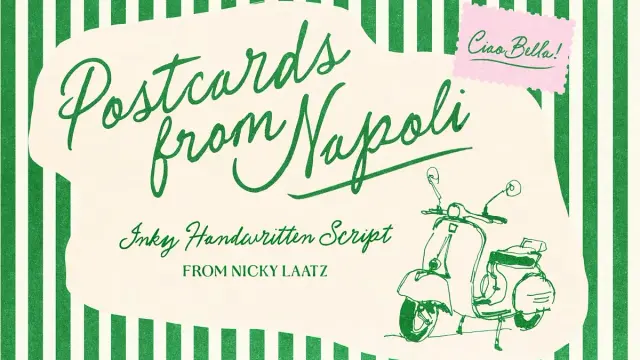
Postcards from Napoli Font Family by Nicky Laatz

Postcards from Napoli Font Family: The Ultimate Guide to Italian-Inspired Typography

Design demands personality, especially when digital spaces feel increasingly sterile and repetitive. You need tools that convey emotion, warmth, and a distinct human touch. The Postcards from Napoli font family delivers exactly this kind of authentic character. Nicky Laatz crafted this typeface to capture the essence of a sun-soaked Italian afternoon. It radiates romance, wanderlust, and that elusive “dolce vita” vibe effortlessly. Designers seeking a balance between chic elegance and playful sass will find their solution here. The Postcards from Napoli font family is not just a tool; it is a visual vacation.

Download from Creative Market

Why Does the Postcards from Napoli Font Family Stand Out?

Marketplaces overflow with generic script fonts that lack genuine soul or rhythm. However, the Postcards from Napoli font family breaks that predictable mold entirely. The designer meticulously preserved the inky, bumpy imperfections of the original lettering. Consequently, every stroke retains the spontaneity of a quick love note written on a napkin. You rarely see this level of texture in standard digital typography. Most fonts smooth out these quirks to achieve mathematical perfection.

Postcards from Napoli Script Font Family by Nicky Laatz Download from Creative Market

In contrast, this typeface celebrates the flaw as a feature. It looks sassy yet remains undeniably classy in its execution. The letters dance across the page with a rhythm that feels organic. Therefore, it appeals to brands that value authenticity over corporate rigidity. You can feel the pen pressure and the ink flow. This tactile quality creates an immediate emotional connection with the viewer.

The Technical Brilliance Behind the Aesthetic

A pretty face is useless without strong underlying mechanics in typography. Fortunately, the Postcards from Napoli font family includes robust Opentype features. These features ensure your text never looks like a repetitive computer pattern. You have access to a vast array of ligatures and alternates. Ligatures automatically fix awkward connections between specific letter pairs.

Furthermore, the alternate characters allow you to choose different styles for specific letters. This variety mimics the natural inconsistencies of actual handwriting. Consequently, your headlines and logos appear custom-made rather than typed. Accessibility also plays a major role in its success. The font is PUA encoded for maximum usability. Thus, you can access all extra glyphs without needing expensive professional design software.

How Can You style the Postcards from Napoli Font Family?

Versatility defines a truly great typeface, and this one is a jack of many trades. You can use the Postcards from Napoli font family for diverse project genres. It fits perfectly within the wedding industry for invitations and save-the-dates. The romantic, wandering baseline suggests intimacy and personal care. Moreover, it works exceptionally well for boutique branding and packaging design.

Imagine a label for artisanal olive oil or a logo for a travel blog. The font brings warmth, personality, and flair to every single letter. However, you must use it with a discerning eye for balance. Pair this expressive script with a clean, minimal sans-serif font. This contrast allows the script to shine without overwhelming the viewer. You should use it for headers, while letting a simpler font handle body text.

Creating Authentic Travel Journals and Stationery

Travel-themed designs require a specific aesthetic that blends nostalgia with excitement. The Postcards from Napoli font family captures this intersection beautifully. Its authentic pen-and-paper touch evokes the feeling of vintage travel posters. Therefore, it is an ideal choice for digital travel journals or printed stationery.

Designers often struggle to find fonts that feel both legible and artistic. Yet, this font maintains high readability despite its quirky nature. You can create stunning social media graphics that stop the scroll. The “perfectly imperfect” look signals to users that a real human created the content. In an age of AI-generated art, this human touch is invaluable.

A Critique on Current Handwritten Trends

We currently see a massive resurgence in analog aesthetics within digital design. The Postcards from Napoli font family arrives at the perfect cultural moment. Audiences are tired of hyper-polished, soulless corporate branding. They crave the “inky” and the “bumpy” textures that signify reality. Nicky Laatz understands this psychological shift in the design market deeply.

This font does not try to hide its construction or its origins. Instead, it proudly displays the artifacts of the writing process. This honesty makes it a powerful asset for modern storytelling. When you choose the Postcards from Napoli font family, you choose narrative over neutrality. You are making a statement about the value of craftsmanship.

Final Thoughts on Using This Typeface

Typography carries the heavy emotional weight of your entire visual message. Therefore, selecting the right tool changes the reception of your work. The Postcards from Napoli font family offers a passport to a more romantic design world. It invites the viewer to slow down and appreciate the details.

Download from Creative Market

You should explore the full range of previews to understand their potential. Turn on those Opentype features to get the full, authentic experience. Embrace the extra alternates for a truly customized look. Your projects deserve that extra touch of humanity and Italian flair. Ultimately, this font proves that imperfection is the truest form of perfection.

Check out other amazing typefaces here at WE AND THE COLOR or take a look at our selection of the 100 coolest fonts for designers in 2026.

Subscribe to our newsletter!

[newsletter_form type=”minimal”]

#font #fontFamily #handwriting #NickyLaatz #PostcardsFromNapoli #scriptFont #typeface

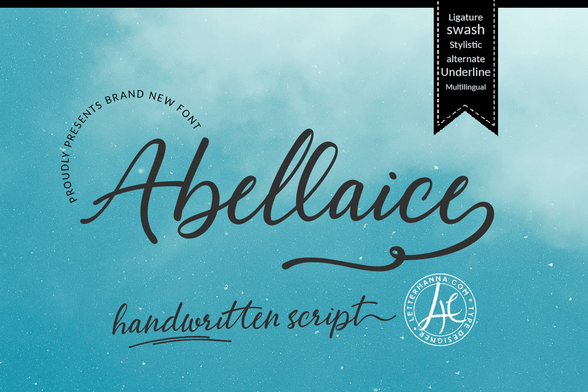
Abellaice Graceful and flowing, Abellai brings an ethereal touch to your designs. Perfect for wedding invitations, elegant branding, and romantic projects that need a delicate, feminine feel. Discover timeless beauty at https://letterhanna.com/abellaice-script-font/

#freefont #downloadfont #handwritingfont #scriptfont #fontpreview #letterhannastudio #branding #typeface #font #logoinspiration #handwriting #logofont #typography #swash #ligature #lettering #design #handwritten #fontdesign #fontstyle

Villa al Mare Typeface – Vintage Script Font by AnMark

This is Your Guide to Seaside Elegance in Design with the Villa al Mare Typeface.

A design project often starts with a feeling. It’s an abstract idea of warmth, sophistication, or perhaps a touch of nostalgia. The challenge, consequently, is finding the tools to translate that feeling into something tangible. The Villa al Mare typeface, a stunning vintage script font from the talented creators at AnMark, does exactly that. It doesn’t just form words; instead, it captures an entire atmosphere. Imagine a sun-drenched afternoon at a coastal Italian villa, a gentle breeze rustling through olive groves, and the soft scratch of an ink pen across thick, creamy paper. This is the essence of Villa al Mare. It’s a font that feels less like a digital file and more like a captured memory, offering a perfect blend of timeless elegance and relaxed, handwritten charm.

Download from Creative Market

This article explores the unique character of the Villa al Mare typeface. We will look at what makes it a standout choice for designers, business owners, and creators. Furthermore, we’ll examine its powerful features and discuss how you can use it to bring a personal, artisanal touch to your own work. What story will your brand tell? Let’s discover if Villa al Mare is the voice you’ve been looking for.

Villa al Mare Typeface – Vintage Script Font by AnMark Download from Creative Market

The Soul of This Vintage Script Font

At its core, the Villa al Mare typeface is a masterclass in balance. It is a handwritten calligraphy font, yet it maintains a remarkable level of clarity and readability. Its lines flow with an organic, unforced rhythm, mirroring the natural inconsistencies of real handwriting. But what makes a script font truly feel authentic? It’s all in the details. The gentle variations in stroke weight, the soft curves of the ascenders, and the elegant flourish of the descenders all contribute to its character.

AnMark designed this font to evoke a very specific feeling: Mediterranean charm. It avoids the rigid formality of many traditional calligraphy fonts. Instead, it feels approachable and deeply personal. Think of it as the handwriting of someone with impeccable taste and a warm heart. This unique personality makes the Villa al Mare typeface incredibly versatile. It can whisper sophistication on a wedding invitation or exude rustic charm on a bottle of olive oil. Consequently, its power lies in this ability to adapt its mood while always retaining its core identity of relaxed elegance.

Unpacking the Features: More Than Just Letters

A truly great font is an intricate system of characters designed to work together harmoniously. The Villa al Mare typeface is packed with professional-grade features that give designers incredible creative control. These aren’t just decorative add-ons; they are essential tools for achieving a genuinely custom and natural look.

The Power of Alternates and Swashes

Have you ever noticed how in real handwriting, you never write the same letter identically twice? Villa al Mare simulates this beautifully with uppercase alternatives. This means for many capital letters, you have different styles to choose from, allowing you to create a more dynamic and less repetitive headline or logo.

Even more expressive are the beginning and ending lowercase swashes. These are elegant extensions that can be added to the first or last letter of a word. A simple swash can instantly elevate a design, adding a flourish of romance and a bespoke feel. For instance, you can use a starting swash to gracefully introduce a name on a place card or an ending swash to add a final, confident stroke to a brand tagline.

Ligatures: The Secret to Natural Flow

Ligatures are the unsung heroes of script fonts. They are special characters that combine two or more letters that would otherwise clash or look awkward next to each other. In the Villa al Mare typeface, these ligatures are crafted to be seamless. They ensure that letters like ‘th’, ‘ll’, or ‘st’ flow into each other as they would in cursive writing. This small detail makes a huge difference. It eliminates clumsy connections and results in text that looks fluid, connected, and authentically handwritten. Using them is essential for anyone wanting to create truly professional-looking typography.

Global Reach: Understanding Multilingual Support

Creativity knows no borders, and thankfully, neither does the Villa al Mare typeface. It comes with extensive multilingual support, including all major Western European languages. This means you can create cohesive designs for an international audience without worrying about missing characters or symbols. Whether you’re designing a menu with French dishes, a label with Italian ingredients, or a website for a global brand, this font provides the necessary tools. This feature significantly expands its usability, making it a reliable choice for projects with an international scope.

How to Use the Villa al Mare Typeface in Your Projects

So, you are captivated by its charm. How can you effectively integrate this elegant font into your work? The applications are nearly limitless, but its style particularly shines in projects that require a human, sophisticated, or romantic touch.

The Ultimate Wedding Font for Modern Romance

For wedding stationery, the font choice is paramount. It sets the tone for the entire event. The Villa al Mare typeface is an exceptional wedding font because it strikes the perfect balance between formal and personal. It’s elegant enough for a black-tie affair yet warm enough for a rustic barn wedding.

Imagine it on:

  • Invitations: The flowing script immediately communicates romance and occasion.
  • Save-the-Dates: Use the swashes to add a playful yet chic flourish.
  • Menus and Place Cards: It creates a cohesive and luxurious tabletop experience.
  • Thank You Notes: A personal touch that feels genuinely heartfelt.

For couples seeking the “best vintage script font for wedding invitations,” Villa al Mare is a leading contender.

Crafting Unforgettable Brands and Logos

In branding, distinctiveness is key. A generic font can make a business feel impersonal and forgettable. The Villa al Mare typeface offers an immediate injection of personality, making it an excellent logo font. It’s particularly well-suited for boutique businesses that pride themselves on quality, craftsmanship, and a personal connection with their customers.

Consider it for brands in these industries:

  • Boutique Hotels & Spas: It conveys luxury, relaxation, and bespoke service.
  • Artisanal Food & Beverage: Perfect for wine labels, bakery logos, or organic food packaging.
  • Photographers & Creatives: It communicates artistry, style, and a personal brand.
  • High-End Fashion & Jewelry: The script adds a touch of signature elegance.

Using an “elegant handwritten font with swashes” like this one can instantly make a brand feel more premium and established.

Getting Started: Font Files and Installation

Bringing Villa al Mare into your design toolkit is straightforward. The font package typically includes several file formats to ensure compatibility across different software and platforms.

  • OTF (OpenType Font): This is the one you’ll want to use most often. It’s the format that contains all the advanced features like ligatures, swashes, and stylistic alternates. To access these, you’ll need professional design software like Adobe Illustrator, Photoshop, or InDesign.
  • TTF (TrueType Font): This is a more standard format that works on almost every computer and in basic programs like Microsoft Word. It’s a great option if you don’t need the advanced typographic features.
  • WOFF (Web Open Font Format): These files are optimized for use on websites, ensuring your text looks crisp and loads quickly online.

A quick search for “Villa al Mare typeface download” will lead you to the official marketplaces where AnMark sells their fonts. Once downloaded, installation is as simple as double-clicking the file and pressing “Install.”

Ultimately, the Villa al Mare typeface is more than a font. It is a design tool for storytelling. It speaks of sunlit coastlines, heartfelt letters, and the beauty of the human touch in an increasingly digital landscape. Its thoughtful design and robust features provide a canvas for creating work that is not only beautiful but also deeply resonant. So, the final question is a simple one. What beautiful story will you tell with it?

Download from Creative Market

Feel free to explore other trending typefaces for different design projects in the Fonts category here at WE AND THE COLOR.

#font #fonts #retroFont #scriptFont #typeface #Typefaces #vintageFont #weddingFont

Meet Stenborough, a sophisticated handwriting script font that exudes charm and artistry. Designed for those who appreciate the beauty of calligraphy, Stenborough offers a natural yet refined flow, making it perfect for branding, invitations, packaging, and editorial design.

Test and get this font at https://letterhanna.com/stenborough-handwriting-font/

#freefont #downloadfont #handwritingfont #scriptfont #fontpreview

Lovers in New York Font by PeachCreme

Craving a Font That Whispers Romance? Meet The Hand-Drawn Lovers in New York Typeface!

Do you want a typeface that embodies effortless charm and a touch of handwritten intimacy? Think of sun-drenched afternoons in Central Park. Or a stolen kiss under the Brooklyn Bridge. That’s the feeling PeachCreme has bottled with Lovers in New York, a font that’s turning heads and warming hearts. But what makes this particular font so special, so different from the thousands of others out there?

You can purchase and download the typeface at these platforms:

Creative Market Fontspring

We’re not just talking about another pretty typeface here. Lovers in New York is an experience. It’s a feeling. It’s the digital equivalent of a handwritten love letter. In a world saturated with sterile, cookie-cutter fonts, this one stands out. It has a unique personality that breathes life into any design. It’s like a breath of fresh air! Are you curious to learn more? Let’s explore what makes Lovers in New York such a captivating choice for designers and creatives alike!

Lovers in New York Font by PeachCreme

You can purchase and download the typeface at these platforms:

Creative Market Fontspring

The Allure of Hand-Drawn Fonts

Why are hand-drawn fonts having such a moment? Think about it. In our increasingly digital lives, we crave authenticity. We yearn for a human touch. These fonts remind us of simpler times. They bring warmth and personality to our screens.

Lovers in New York expertly captures this essence. Its hand-drawn quality isn’t just a gimmick; it’s a core element of its appeal. The subtle imperfections and unique character of each letter make it feel personal and inviting. Forget generic! This font is all about individuality.

What Makes Lovers in New York Unique?

So, what sets Lovers in New York apart from other hand-drawn fonts? For starters, it’s all about balance. The font achieves an amazing harmony between elegance and informality. The fluid strokes and organic details give it a sense of movement.

The slight irregularities add charm but never feel overwhelming. PeachCreme has clearly mastered the art of subtlety. This creates a typeface that feels both refined and approachable. It is ideal for a wide range of design projects. Think wedding invitations, branding materials, or even editorial layouts. It’s versatile and beautifully designed.

Deconstructing the Design: Lowercase with a Twist

Here’s a clever design choice that contributes to its uniqueness. All lowercase letters are designed to maintain an all-caps structure. This might sound contradictory, but it works! It provides a sense of readability and rhythm in body text. The uniformity is easy on the eyes.

This creates a steady visual flow. It also avoids the potential choppiness that can sometimes occur with fully handwritten fonts. This ensures that your text is beautiful and easy to read. Do you agree that readability is an essential part of choosing a font?

A Touch of Elegance: The Standout Uppercase

However, the all-caps lowercase isn’t the whole story. Lovers in New York includes a single uppercase letter option. This adds a decorative flourish to words and designs. Use it sparingly to create emphasis or add a touch of personality.

This letter serves as a focal point. It introduces a dynamic element without disrupting the overall flow. It adds personality and movement. The designer can use this to inject a bit of creativity and individuality into their designs.

Versatility is Key: Where to Use Lovers in New York

The beauty of Lovers in New York lies in its versatility. It’s not just a one-trick pony! It can be used in a vast range of projects. From designing wedding invitations to crafting brand identities, this font has you covered.

  • Invitations: The romantic and elegant feel makes it perfect for wedding invitations, party invites, or any special occasion.
  • Branding: Add a touch of personality to your brand with its unique hand-drawn style. It’s ideal for businesses that want to project a warm, authentic image.
  • Editorial Design: Use it for headings, titles, or even short blocks of text to add visual interest to magazines, blogs, or other publications.
  • Social Media Graphics: Make your social media posts stand out with a font that is both stylish and engaging.
  • Logos and Watermarks: The font can add a certain level of authenticity to a logo by adding an element of the human touch.

Why Lovers in New York is Captivating Social Media

Why does Lovers in New York have the potential to go viral on social media? Because it’s visually appealing! It’s unique! It’s emotionally resonant! The font embodies a feeling of warmth, authenticity, and romance.

These are qualities that resonate with people on a deeply personal level. Imagine a beautifully designed quote image using Lovers in New York. It is shared across Instagram, Pinterest, and beyond. It’s easy to see how its charm could capture the hearts of countless users. The beautiful and charming appearance of the typeface is very suitable for this.

My Verdict: Is the Lovers in New York Typeface Right for You?

So, is Lovers in New York the right font for your next project? The answer depends on your needs and aesthetic preferences. If you’re looking for a font that is both elegant and approachable, refined and personal, then the answer is a resounding yes! This font offers a unique combination of hand-drawn charm and sophisticated design.

Its versatility makes it suitable for a wide range of applications. It is an excellent choice for designers who want to add a touch of personality and warmth to their work. Give Lovers in New York a try and see how it can transform your designs! It is an investment that will add a touch of magic to any project.

You can purchase and download the typeface at these platforms:

Creative Market Fontspring

Discover other trending typefaces in WE AND THE COLOR’s Fonts category.

Subscribe to our newsletter!

[newsletter_form type=”minimal”]

#font #handDrawn #handwritten #PeachCreme #scriptFont #typeface