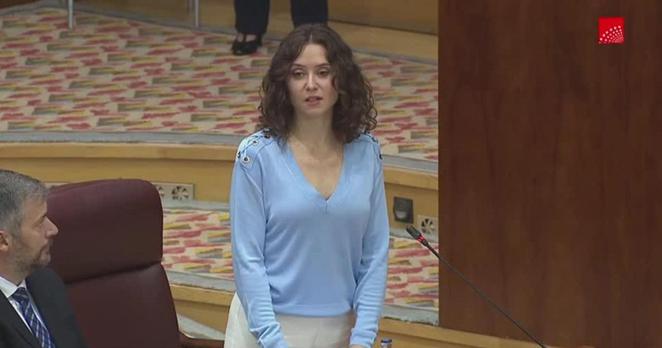
Opinión | Mario A Medina – Que no le digan… | Díaz Ayuso, el PAN y su “noche triste”
Hay algo que reconocerle al panismo, no han traicionado su naturaleza conservadora, entreguista y traidora a la patria.
Por Mario A. Medina
Ahora en pleno siglo XXI invitaron, de la mano de Ricardo Salinas Pliego, a Isabel Diaz Ayuso, remembrando cuando los conservadores del siglo XIX trajeron a Maximiliano de Habsburgo y a su esposa “Doña Carlota” para que nos viniera a gobernar.
Aquellos conservadores liderados por personajes como Lucas Alamán, Miguel Miramón, Félix María Zuluaga o Tomás Mejía descalificaban a los liberales y a Benito Juárez por su progresismo y laicismo. Decían amar a México y que querían “salvarlo del desorden y la inestabilidad”, pero “abrieron la puerta a una intervención extranjera y se arrodillaron ante una corona europea”, como bien comenta Daniel Santos Flores, en el diario La Razón.
Lo mismo hizo hoy el panismo al ver a la señora Díaz Ayuso, a la que, prácticamente, la entronizaron como la salvadora del México de la «cuarta transformación» del “desorden e inestabilidad” de un país, de un “narcoestado” -dicen ellos-, gobernado por el crimen organizado.
Y digo que no han traicionado su naturaleza conservadora, entreguista y traidora a la patria porque han repetido aquel capítulo del siglo XIX al encenderle incienso a “Doña Isabel” y homenajear a un personaje como Hernán Cortés creyendo que los mexicanos íbamos agradecer el acto y hasta festejarlo.
La madrileña no tuvo empacho de hablar de la Conquista como un “acto de amor” y hasta con el mayor de los cinismos, repetir aquello de que “España nos civilizó”, por lo que los mexicanos deberíamos de estar agradecidos.
Pero la noche triste muy pronto se les vino encima. En España, a Isabel Díaz Ayuso le fue como en feria. Decenas de “cornadas” recibió la presidente de la Comunidad de Madrid, aunque considero su cálculo no era agradar a la izquierda de la península Ibérica, sino a su comunidad conservadora del Partido Popular (PP) y hasta los de Vox, pero, aun así, fracasó.
Pero lo mismo, y aún más, se le puede reclamar al panismo que no sólo muestra ignorancia sino en el fondo existe un desprecio del conservadurismo por el pueblo al pretender creer que los mexicanos íbamos agradecer el festejarlo al conquistador y a “Doña Isabel”.
Igual que la señora Diaz Ayuso, el panismo tuvo su noche triste o, mejor dicho, está teniendo muchas noches y días tristes. Desde hace ya hace muchos años, el panismo ha venido a la baja. No sólo ha perdido identidad con su voto duro, está lejos de ser lo que fue durante muchos años frente al priismo, una oposición valorada.
El panismo de hoy es un panismo sin brújula, sin identidad, al grado que se le identifica con el priísmo. Hoy cuando nos referimos al partido blanquiazul, hablamos del “PRI-AN”. En el congreso federal, en los locales, y hasta en las marchas, caminan juntos y se visten de rosa para simular que representan a la sociedad civil. Son lo mismo.
Tal vez algunos panistas se dieron cuenta del grave error de creer que el arrodillarse ante “Doña Isabel”, y el haberle encendido incienso y entregarle el oro, no fue nada acertado creer que esos actos les iban acarrear afiliaciones, votos y que, por el contrario, la población los iba a rechazar, incluso hasta los suyos. Como fue.
Al partido azul la noche triste se les vino encima. El que hayan traído a la madrileña bajo el patrocinio de Ricardo Salinas Pliego, les ha costado muy caro semejante osadía. Callaron cuando se dieron cuenta del grave error político que cometieron, aunque el fracasado Marko, el gris, Cortés, se atrevió a decir que Díaz Ayuso “fue rehén” de la mandataria Sheinbaum. Los hechos lo contradicen.
Sólo un dato: después de denunciar el supuesto acoso y que cancelaba su visita a México, Díaz Ayuso se tuvo que quedar en la Riviera Maya por, supuestamente, “falta de vuelos” a Madrid, cuando Cancún mantiene una de las conexiones aéreas más amplias entre México y España, con varios vuelos diarios hacia ciudades de la Península Ibérica. A la comunidad de Madrid regresó ella con la piel dorada de las playas mayas.
El panismo hoy muestra no sólo su alejamiento de la población. Es un partido sin propuestas, sin estrategias para ganarse a la gente. Viven un estado de letargo, es un partido que navega sin rumbo, que enfrenta una crisis estructural, de liderazgo y de falta de credibilidad y confianza.
Hoy es “estruendoso” su silencio con el que quieren esconder esa torpe decisión, primero, de suponer que, igual que ellos, la población iba a festejar el homenaje a Cortés y se iba, igual que ellos, a postrar ante “Doña Isabel” Díaz Ayuso.
Con su silencio, la dirigencia y la élite panista, después de la partida de su conquistadora, de su reina, ha de pensar que este negro episodio quedará borrado de la lamentable historia moderna del PAN. Pero no, quedará y permanecerá por los siglos, siglos.
Que no le cuenten…
Para no olvidar. Vicente Fox, como presidente, le dio la espalda a los pueblos y comunidades indígenas al no aprobarse en el Congreso los acuerdos de San Andrés Larráinzar ni la propuesta elaborada por la Comisión para la Concordia y la Pacificación (Cocopa). Tengamos memoria de cuando el panismo fue gobierno.
*Periodista: @MarioA_Medina
Columna anterior: Isabel Ayuso y el arte de victimizarse
Mario A Medina
¡Conéctate con Sociedad Noticias! Suscríbete a nuestro canal de YouTube y activa las notificaciones, o bien, síguenos en las redes sociales: Facebook, Twitter e Instagram.
También, te invitamos a que te sumes a nuestro canal de información en tiempo real a través de Telegram.
#4T #alianzasPolíticas #análisisPolítico #AndrésManuelLópezObrador #apoyoHumanitarioCuba #AriadnaMontiel #bloqueoACuba #cambiosPolíticosMéxico #CarlosSalinasDeGortari #CasaBlanca #Cdmx #CheGuevaraPensamiento #CitlalliHernández #CJNGNarrativaOposición #ClaudiaSheinbaum #ClaudiaSheinbaumCuba #ClaudiaSheinbaumPardo #ClaudiaSheinbaumPresidente #comunidadDeMadrid #CongresoMéxico #conservadurismo #conservadurismoEspañol #contratosPublicidadTVAztecaGobiernos #crisisPAN #CuartaTransformación #CubaSolidaridad #debateMediosComunicaciónMéxicoPolítica #derechaMexicana #desinformaciónRedesSociales #dirigenciaMorena #DonaldTrump #DonaldTrumpCríticas #DonaldTrumpCuba #ElMenchoCJNG #Enmienda25 #EstadosUnidos #fakeNewsMéxico #FidelCastroLegado #financiamientoMediosMéxicoGobiernosEstatales #geopolítica #geopolíticaAméricaLatina #geopolíticaReligión #GobiernoFederal #GrupoSalinasPublicidadOficialMéxico #HernánCortés #IglesiaCatólicaPosturaPolítica #imperialismoDebate #Información #InformaciónMéxico #inteligenciaArtificialNoticiasFalsas #IsabelDíazAyuso #líderesMundialesConflicto #LeónXIVTrump #liderazgoMorena #manipulaciónMediática #MarioMedina #MarkoCortés #México #Morena #narcobloqueosMéxico #NemesioOsegueraCervantes #noticia #noticias #NoticiasMéxico #NoticiasSociedad #opiniónPolíticaMéxico #oposiciónEnMéxico #OTAN #PAN #PapaYPolíticaMundial #PartidoAcciónNacional #PartidoMorena #PartidoPopular #periodismoYVerificación #polémicaAyuso #PolíticaInternacional #políticaInternacionalActualidad #políticaInternacionalMéxico #políticaMéxico #políticaMexicana #PremiosPlatino #presiónMediáticaPublicidadOficialMéxico #PRIAN #programasSocialesMéxico #relaciónMéxicoEspaña #relaciónMéxicoCuba #relaciónMediosPoderPolíticoMéxico #relaciónTelevisiónPolíticaMéxico #RevoluciónCubana #RicardoSalinasPliego #RicardoSalinasPliegoMediosMéxico #RivieraMaya #SaludMental #SN #Sociedad #SociedadNoticias #SociedadNoticiasCom #sociedadNoticias #SociedadNoticiasCom #tensionesInternacionales2026 #transparenciaContratosMediosMéxico #TVAztecaPublicidadOficialContratos #ultraderechaEspañola #UniversidadNacionalAutónomaDeMéxico #VaticanoDeclaraciones #VaticanoVsEstadosUnidos #VicenteFox #visitaDeAyusoAMéxico #vox Plétora Network
 STOPDISINFORMATION
 Sociedad Noticias








 EL PAÍS: el periódico global [Unofficial]


 Italian News by RSS