Say Goodbye to Bloating: 10 Easy Habits to Incorporate into Your Daily Routine

Do you ever feel a tight feeling in your stomach? You’re not alone. Almost one in seven Americans feel bloated sometimes. This can make your day hard and hurt your health, especially if you can’t digest food well.

Knowing this is the first step to feeling better. This guide will show how small changes, like drinking water and eating right, can change your life. By doing a few simple things, like eating at the right time and taking care of your bowel, you can feel better.

Imagine feeling good all day without any discomfort. We want to help you with tips that make your body happy. We’ll help you avoid constipation and feel better.

  • Introduction to a Bloat-Free Daily Routine
  • Understanding Bloating: Causes and Triggers
  • small habits, reduce bloating, daily routine, women health
  • How Dietary Choices Affect Bloating
  • Mindful Eating for Better Digestion
  • Incorporating Physical Activities to Prevent Bloating
  • Morning Rituals for a Bloat-Free Start
  • Natural Home Remedies and Supplements
  • Managing Stress to Support Gut Health
  • Customizing Your Daily Routine for Optimal Digestion
  • Conclusion
  • Introduction to a Bloat-Free Daily Routine

    How you start your day affects how you feel. Having a regular morning routine is key for feeling good. It helps you plan for meals and drinking water. Experts say your morning choices can affect your comfort and bowel health.

    Many people don’t know that their morning choices can cause discomfort. Intentional morning rituals can help you avoid feeling slow because of digestive problems. By changing your morning, you start your day with energy and comfort, and keep your gut healthy.

    This part talks about starting a bloat-free day. Remember, small, consistent changes in what you eat and do can make a big difference in feeling your best.

    Understanding Bloating: Causes and Triggers

    Knowing why you feel bloated is the first step to feeling better. Bloating happens when too much gas builds up in your stomach. It’s a common problem that can make you feel uncomfortable, especially with certain foods.

    Several things can make you feel bloated:

    • Swallowing too much air, like when you eat or drink water, can cause gas.
    • Some veggies, like cabbage and broccoli, have carbs that are hard for your gut to digest, especially in the morning.
    • Conditions like SIBO or IBS can mess up the balance of gut bacteria, leading to discomfort and bowel problems.
    • Bloating can also mean you have a health issue. If it keeps happening, talk to a doctor.

    By knowing what causes bloating and making smart choices, you can manage your symptoms and feel better.

    small habits, reduce bloating, daily routine, women health

    Feeling bloated can be really frustrating. But, making small changes can help a lot. Simple steps can support your body and improve your health.

    Keeping a food diary is a great step. It helps you and your doctor find out which foods make you uncomfortable. By tracking your food for a few weeks, you can spot patterns and make better choices.

    Also, managing stress is key for your digestion. Stress can upset your gut and cause discomfort. Doing some light exercise, like walking or stretching, can help your digestion and gut movement.

    By making these small changes, you can feel more comfortable and have more energy. Every little bit helps!

    How Dietary Choices Affect Bloating

    Your dietary selections are more influential on your stomach than you might think. Certain foods can significantly impact your digestion and overall comfort.

    Here are some common offenders:

    • Carbonated beverages can introduce excess gas into your system, leading to discomfort.
    • If you have a lactose intolerance, consuming dairy products can cause bloating after meals.
    • High-fructose fruits, like apples and peaches, may trigger bloating in those who struggle with these sugars.
    • Switching to lactose-free products or plant-based alternatives can help minimize bloating.
    • Understanding how different foods interact with your digestive system is crucial for managing symptoms.

    By making informed food choices, you can enhance your comfort and well-being.

    Mindful Eating for Better Digestion

    The way you approach your meals can greatly impact your digestive comfort. Practicing mindful eating can significantly enhance your gut health. One effective technique is to chew your food 30 times per bite. This practice helps prevent swallowing excess air, which can lead to discomfort.

    Additionally, aim to make your meal last at least 20 minutes. This allows your gut to process food more efficiently, reducing the chances of feeling bloated afterward. Eating in a screen-free zone is another simple way to support your digestion.

    When you eat too quickly, you may swallow air, contributing to discomfort in your digestive tract. By slowing down and being present during your meals, you create a better environment for your body to digest food without unnecessary stress.

    Incorporating Physical Activities to Prevent Bloating

    Physical activity plays a crucial role in maintaining digestive comfort. Engaging in regular exercise can significantly improve your gut health. A 2023 review published in the Journal of Rehabilitation Medicine confirms that exercise, such as walking or yoga, helps relieve IBS symptoms like bloating.

    Taking a 10-to-15-minute walk after meals is a simple habit that may help people reduce gas and improve their overall gut function. Regular physical activity is a powerful tool to manage stress, which has been linked to the worsening of bloating and abdominal pain.

    Incorporating light movement into your day supports your body and helps keep your digestive system moving, preventing the buildup of gas. Whether you choose cycling or brisk walking, staying active is one of the most effective ways to maintain your well-being and prevent discomfort.

    Morning Rituals for a Bloat-Free Start

    The way you begin your morning can set the stage for how your gut feels throughout the day. Starting your day with a cup of water is one of the best ways to hydrate and support digestion. Nutritionist Frances Largeman-Roth recommends this simple practice to help reduce discomfort.

    Incorporating gentle movement, like wind relief yoga poses, can improve gut motility. This ensures your system stays active and ready for the day ahead.

    Establishing consistent morning habits, such as enjoying a fiber-rich breakfast, provides the energy you need while keeping your gut feeling light. A well-planned morning routine helps you avoid common pitfalls that lead to discomfort.

    By focusing on hydration and movement, you can create a morning ritual that effectively fights bloat and keeps your digestive system running smoothly.

    Natural Home Remedies and Supplements

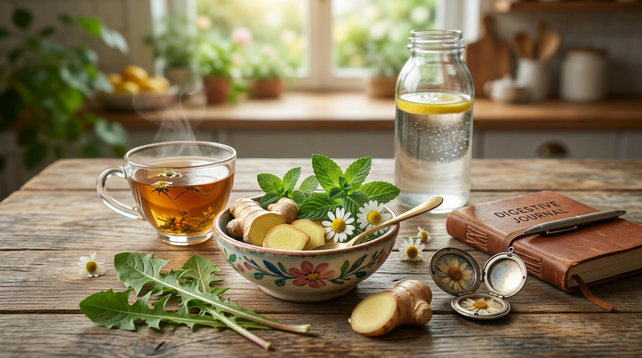
    Finding natural ways to support digestion can lead to significant improvements. Many people explore home remedies to ease discomfort in their stomach. Natural options like anise may help those with IBS by providing gentle relief from digestive pain.

    Another effective product is HUM Nutrition’s Gut Instinct supplement. It contains 25 billion CFU and 10 probiotic strains that support the gut microbiome and enhance overall digestion.

    Over-the-counter products such as simethicone or alpha-d-galactosidase can also be handy for occasional bloating after consuming complex foods. It’s essential to consult with a registered dietitian before starting any new supplements. This ensures they align with your specific health conditions.

    While there is no magic cure, these natural ways to support your digestive system can help you feel more comfortable and less bloated.

    Managing Stress to Support Gut Health

    The relationship between stress and gut function is more important than you might think. Managing stress is key for your digestive health. High stress can make bowel movements slow down, causing bloating and pain.

    Regular exercise is a great way to lower stress. It can also help with IBS symptoms. Relaxation techniques during the day can soothe your digestive system.

    Stress management helps your body work better. This is key for a life without bloating. Exercise and mindfulness together protect your gut health.

    Customizing Your Daily Routine for Optimal Digestion

    Tailoring your approach to digestion can lead to noticeable improvements in comfort. Everyone reacts differently to food. Some may get uncomfortable from lactose or sugar. Changing your diet can help.

    Keeping a healthy weight is also important. Gaining weight can make bloating worse. Watching your weight helps your digestive system.

    Drinking water is good, but not during meals. This helps your body digest food better. A simple change can make a big difference.

    Watching how your body reacts to food helps you improve your routine. This boosts your energy and digestion. It’s good for IBS or just feeling better.

    Conclusion

    Concluding your journey towards comfort is essential. Many people feel uneasy in their stomach. To reduce bloating, start with morning routines, eat mindfully, and move regularly.

    Addressing issues like lactose intolerance or constipation helps a lot. Sustainable habits are better than quick fixes for long-term symptoms. Always talk to a doctor or nutritionist for a safe plan. With the right steps, like staying hydrated and exercising, you can live a more vibrant life.

    #Lifestyle #bloating #bloatingReliefTips #bloatingRemedies #blog #digestiveHealth #digestiveWellness #everydayHabitsForGutHealth #GutHealth #gutHealthHacks #gutHealthTips #gutInflammation #healthyDigestion #healthyLifestyleHabits #healthyLivingForWomen #howToReduceBloating #improveDigestionNaturally #naturalHealthRemedies #naturalWaysToReduceBloating #Style #wellnessTips #womenSWellness


    The Silent Threat in Your Gut Destroying Your Eyesight
    👇 Read the full research report and botanical protocol here:
    ➡️ https://hub.theholisticstate.com/gut-eyesight

    Discover the hidden gut-eye connection that mainstream eye care ignores. Learn how a simple 12-second natural protocol supports clear vision, healthy retinas, and total wellness from the inside out. Click to see the full video and guide.

    #EyeHealthTips #NaturalVisionCorrection #GutHealth #HolisticWellness #HealthyLiving

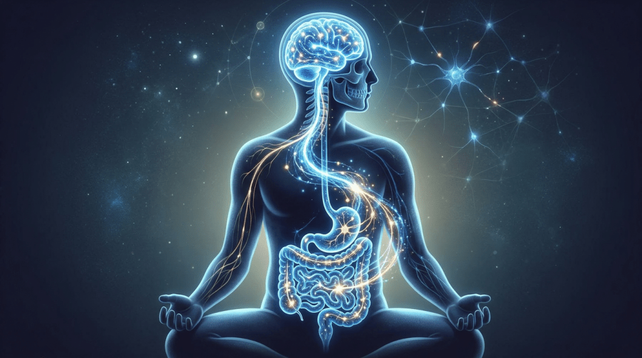
    “Gut-brain axis” is a real research area. It is also marketing’s favorite fog machine.

    Changing microbiome or inflammatory markers linked to mood is not the same as proving people feel or function better.

    Clinical outcomes, please.

    #Science #GutHealth

    5 Proven Ways to Improve Gut Health and Boost Your Immune System Naturally

    Did you know that about 70% of your immune system is in your gut? This shows how important your digestive system is. It helps keep your body safe from bad bacteria and inflammation.

    It’s key to keep your digestive system balanced for good health. Your gut has trillions of tiny living things, like good bacteria. Eating more fruits and veggies can help your gut health.

    Good gut health helps your body absorb nutrients and fight off bad germs. This guide will show you five easy ways to keep your gut healthy. Drinking enough water is also important for digestion. Having a healthy digestive system is a big step towards better health. It helps prevent problems like bowel disease and issues from eating processed foods.

  • Introduction to Gut Health
  • Understanding How Gut Health Impacts Immunity
  • way to have healthy gut: Simple and Effective Strategies
  • Optimizing Your Diet for a Healthy Gut
  • Lifestyle Changes to Enhance Digestive Health
  • Recognizing and Addressing Common Gut Health Symptoms
  • Practical Tips from Health Experts
  • Conclusion
  • Introduction to Gut Health

    The link between gut health and overall health is clear. Dr. March Seabrook says a balanced digestive system is key for digestion, metabolism, and immunity. Eating fermented foods and a variety of fruits and vegetables can really help your gut.

    Your digestive system is home to trillions of tiny living things. These include bacteria, viruses, and fungi, known as the gut microbiome. This group of tiny beings is very important for your health. They help your immune system and how you absorb nutrients from foods.

    Many people are learning that the right balance of bacteria gut is key. It helps prevent diseases like inflammatory bowel disease and irritable bowel syndrome. Knowing how these tiny beings work with your body is important for your health and preventing chronic diseases.

    Experts say that focusing on gut health is a smart way to keep your body healthy. Adding probiotics and drinking lots of water are also good ideas.

    Understanding How Gut Health Impacts Immunity

    Research shows that a lot of your immune system is in your gut. This area of your body is a main defense against bad bacteria.

    If your bacteria gut balance is off, you might get sick more easily. Or, you could even get chronic autoimmune diseases. Keeping your gut balanced is key for a strong immune system.

    A healthy gut helps your immune system by controlling inflammation. It also makes sure your body gets the nutrients it needs for health.

    The gut-brain axis lets your gut talk to your brain. This affects your immunity and how you handle stress. Taking care of your gut is a smart way to keep your immune system strong.

    Read more: How to Bake Insulin-Friendly Muffins: Soft, Moist, and Guilt-Free

    way to have healthy gut: Simple and Effective Strategies

    The gut microbiome is a complex group of tiny living things. They are very important for your health. Eating a variety of foods helps these tiny beings thrive.

    A healthy microbiome helps with digestion and keeps you safe from diseases. Eating foods like fruits vegetables helps the good bacteria in your gut. This supports a healthy digestive system.

    Simple changes in your life can help a lot. Managing stress and staying active are good for your gut and immunity. By taking care of your gut, you help your body stay healthy and strong.

    Read more: How to Boost Insulin Sensitivity with Healthy Eating Tips: Simple Recipes

    Optimizing Your Diet for a Healthy Gut

    Eating right can make your gut healthier. Most people need 21 to 38 grams of fiber each day. This helps reduce inflammation and keeps your colon working well.

    Eating lots of fruits and vegetables is key. They give your gut the fiber it needs. This helps your gut stay healthy and helps you go to the bathroom regularly. Also, adding probiotics to your diet can help your gut even more.

    Choosing whole foods is smart. This avoids bad additives that can upset your gut.

    Fiber feeds the good bacteria in your gut. This can stop problems like constipation and diseases like Crohn’s.

    A diet full of fiber and plant-based foods is best. It keeps your gut healthy and boosts your overall health.

    Lifestyle Changes to Enhance Digestive Health

    Simple changes can improve your digestion. Doing 150 to 270 minutes of exercise a week helps your gut and health.

    Drinking 4 to 6 cups of water a day is also key. It helps move nutrients and prevents constipation.

    Getting 7 to 9 hours of sleep a night is crucial. Good sleep helps manage stress and keeps your gut-brain axis in balance.

    Stress can harm your gut. It can change hormones and hurt your digestion. So, finding ways to relax is important.

    Regular exercise and enough sleep support your gut’s bacteria. These changes improve your digestion and keep your system balanced.

    Recognizing and Addressing Common Gut Health Symptoms

    Knowing your gut symptoms is key for health. March Seabrook, MD, says signs like pain, bloating, and diarrhea might mean a gut problem.

    If your bowel habits change, like going less often, see a doctor. Watching these signs can stop bigger problems.

    Doctors use fecal calprotectin tests for gut inflammation. Conditions like C. diff can upset your gut and cause serious illness.

    If you have red flag symptoms like bloody stools or severe pain, get help fast. Taking care of your gut health is very important.

    Read more: How to Make Insulin-Reducing Overnight Oats: Healthy and Tasty

    Practical Tips from Health Experts

    Experts say gut health is vital. March Seabrook, MD, recommends probiotics like Lactobacillus, Bifidobacterium, and Saccharomyces to balance gut bacteria.

    Eating fermented foods like yogurt and sauerkraut adds good bacteria. These foods help your digestive system work better.

    Prebiotics feed good bacteria, helping them grow. Avoid foods that hurt your gut, like bananas or gluten.

    Always talk to a doctor before starting new supplements. This makes sure they’re right for you.

    Conclusion

    Investing time in your digestive health can lead to significant long-term benefits. Taking care of your gut is a lifelong promise. It brings better immunity, a happier mood, and less risk of chronic diseases.

    By following five simple strategies, you can control your digestive system. You’ll feel great every day. Small changes, like eating more fiber or managing stress, can make a big difference.

    If you have ongoing symptoms, don’t wait to see a doctor or specialist. They can give you the care you need. Taking action now keeps your gut healthy. This lets you live a better life for many years.

    Disclaimer: The information provided in this blog is for educational and informational purposes only and is not intended as medical advice. We are not a medical professional, and the content shared here—including recipes, nutrition tips, and discussions related to insulin, blood sugar, or metabolic health—should not be used to diagnose, treat, cure, or prevent any medical condition.

    Always consult with a qualified healthcare provider before making changes to your diet, medications, or lifestyle, especially if you have diabetes, insulin resistance, or any other health condition. Individual needs vary, and what works for one person may not be appropriate for another.

    By using this site, you acknowledge that you are responsible for your own health decisions and agree that the author is not liable for any outcomes related to the use of the information provided.

    #Lifestyle #antiInflammatoryFoods #blog #boostImmunityNaturally #BoostImmunitySystem #digestiveWellness #GutHealth #gutHealthTips #gutMicrobiome #gutImmuneConnection #healthyDigestionTips #healthyEalting #healthyGut #healthyLifestyleForWomen #holisticHealth #ImmuneSystem #improveGutHealth #naturalHealthRemedies #naturalImmuneSupport #prebiotics #probiotics #Style #WaysToHaveHealthyGut #womenSHealth #womenSWellness

    Learn important ulcerative colitis facts, including symptoms, causes, diagnosis, treatment options, and lifestyle tips to support better gut health and improve quality of life.
    https://www.linkedin.com/pulse/ulcerative-colitis-facts-you-should-know-better-gut-health-arya-jain-31bpc

    #UlcerativeColitis #GutHealth #DigestiveHealth #IBD #InflammatoryBowelDisease #ColonHealth #HealthyGut #GutCare #ChronicIllnessAwareness #HealthEducation

    Ulcerative Colitis Facts You Should Know for Better Gut Health

    Ulcerative colitis is a chronic illness that results in inflammation of the colon and can affect digestive health. If left untreated, ulcerative colitis can create symptoms of abdominal cramps, diarrhoea, and fatigue.

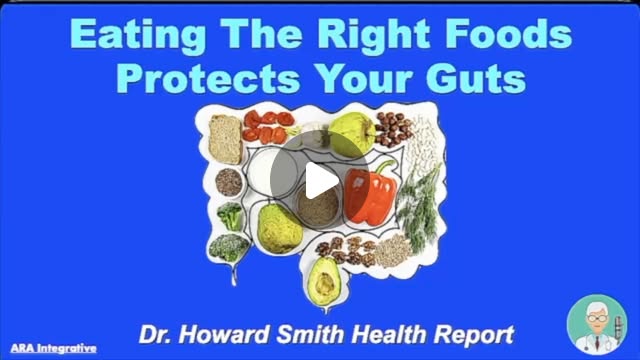
    Eating The Right Foods Protects Your Guts. The amino acid cysteine helps your gastrointestinal tissues repair themselves after damage. References on my website. #GutHealth #NutritionScience #HealthyAging #CancerResearch #MITigationdevice
    https://www.instagram.com/p/DZLIak6tsPC/
    Howard G. Smith MD, AM on Instagram: "Eating The Right Foods Protects Your Guts Yea, yea, yea you say. That’s nothing new. What is new comes from integrative biologists at MIT who find that the amino acid cysteine helps your gut repair itself after damage. Their mouse studies, published in the journal Nature, show that cysteine activates immune CD8 T cells to release IL-22 healing signals that help intestinal stem cells rebuild damaged tissue after radiation exposure. They also find that cysteine has the strongest gut-repair effect of all 20 amino acids tested. So how do you get this cysteine? Ok…I buried the lead. Cysteine is naturally found in meat, dairy, beans, legumes, and nuts.e So eating these cysteine-rich foods or taking cysteine supplements can not only help cancer patients recover from gut damage caused by radiation or chemotherapy. It can also help those among us with inflammatory bowel disease such as Crohn’s Disease and/or Ulcerative Colitis. The references for this report are available on my website. #GutHealth #NutritionScience #HealthyAging #CancerResearch #MIT"

    0 likes, 0 comments - drhowardsmithreports on June 4, 2026: "Eating The Right Foods Protects Your Guts Yea, yea, yea you say. That’s nothing new. What is new comes from integrative biologists at MIT who find that the amino acid cysteine helps your gut repair itself after damage. Their mouse studies, published in the journal Nature, show that cysteine activates immune CD8 T cells to release IL-22 healing signals that help intestinal stem cells rebuild damaged tissue after radiation exposure. They also find that cysteine has the strongest gut-repair effect of all 20 amino acids tested. So how do you get this cysteine? Ok…I buried the lead. Cysteine is naturally found in meat, dairy, beans, legumes, and nuts.e So eating these cysteine-rich foods or taking cysteine supplements can not only help cancer patients recover from gut damage caused by radiation or chemotherapy. It can also help those among us with inflammatory bowel disease such as Crohn’s Disease and/or Ulcerative Colitis. The references for this report are available on my website. #GutHealth #NutritionScience #HealthyAging #CancerResearch #MIT".

    Instagram
    The small intestines are a 22 foot filter. If they become irritated, filtration can become compromised and harmful waste can enter the bloodstream causing systemic inflammatory conditions.
    #medicine #GutHealth #health

    5 Simple Morning Habits That Reduce Inflammation

    Albert Law/Adobe Stock You can’t always see or feel it, but chronic low-grade inflammation could quietly be impacting your energy, joints, and even your risk for serious health issues like heart disease, diabetes, and autoimmune conditions. It’s not all a bad thing: A certain amount of inflammation keeps your immune system activated and helps it respond to injury or infection. But it becomes a problem when inflammation lingers for too long or occurs without a clear […]

    https://onlinemarketingscoops.com/2026/06/01/morning-habits-that-reduce-inflammation/

    5 Simple Morning Habits That Reduce Inflammation

    Albert Law/Adobe Stock You can’t always see or feel it, but chronic low-grade inflammation could quietly be impacting your energy, joints, and even your risk for serious health issues like heart di…

    Online Marketing Scoops
    68% of gut‑disrupting supplements lack safety data because labels can omit adverse‑event reporting (FDA loophole). This means many products hit shelves without verified risk profiles. If you test one, run a 2‑week baseline, then 2‑week intervention, track stool consistency, bloating, and any new symptoms. Compare to a washout period. Note that individual responses vary and the evidence is limited. #guthealth #supplements #evidence #selfexperiment