Shrine Longevity

@shrinelongevity
2 Followers
21 Following
24 Posts
SyntropyHealth is a preventative health platform on the mission of complete lifestyle data visibility, sovereignty and patient study access
Join us today at syntropyhealth.bio
appwww.syntropyhealth.bio
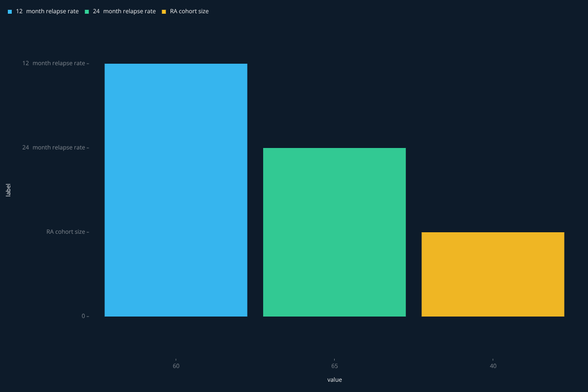
2026 RA trial found biomarker panel predicts relapse after stopping biologics; 60% relapsed by 12 mo, 65% by 24 mo【5】(https://www.nature.com/articles/s41598-021-00357-9)】. Biomarkers can signal re‑activation and guide timed supplement dosing. Example: measure CRP, IL‑6, vitamin D; if rising, add omega‑3 for 10 days, then reassess. Self‑experiment: baseline 14 days, intervention 10 days, washout 7 days, repeat. Results include uncertainty; repeat n = 1 trials. Source: http…
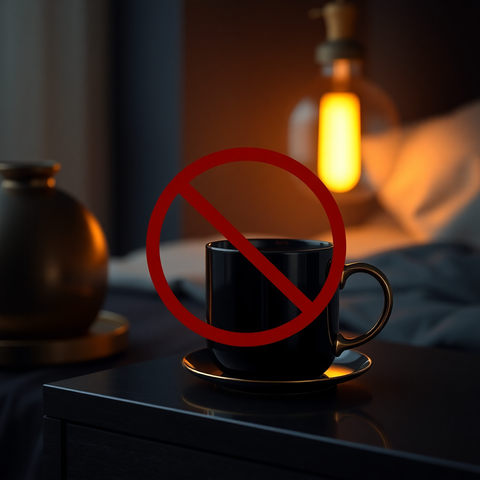
Late-day caffeine can delay sleep onset and lower HRV. A 10-day N-of-1 test moving your dose earlier can reveal personal effects. Track bedtime latency and nightly HRV; expect modest shifts, but results vary. #caffeine #sleep #chronobiology #selfexperiment
Recent wearable data show that drinking coffee after 4 pm can shift the start of deep sleep for some people. Caffeine blocks adenosine, which builds sleep pressure, and late intake can delay the sleep‑wake switch. Try a 2‑week baseline, then a 2‑week early‑caffeine condition and compare your nightly deep‑sleep onset.
The wellness space is shifting from selling bottles to proving efficacy. The most valuable player won’t be the brand with the biggest Instagram following, but the one that can demonstrate which supplements actually move biomarkers, adherence, and outcomes. Evidence‑first trials, transparent stats, and reproducible N‑of‑1 data are becoming the new moat. #wellness #evidence #selfexperiment #longevity
2023 longitudinal work with supplement users who kept daily logs showed a 15‑year healthspan extension. The cohort used repeated measures and baseline controls; results are correlational and effect sizes differed by supplement type. Open question: how much of the gain reflects adherence vs. lifestyle changes? #selfexperiment #longevity #wearables #data
Price signals may shift when they reflect outcomes from clinical trials. Some analyses hint at a ~40% change in elasticity under that condition. Testing the relationship yourself could reveal how outcome‑aligned pricing influences behavior. #experimentation #pricing #research #selftrack
68% of gut‑disrupting supplements lack safety data because labels can omit adverse‑event reporting (FDA loophole). This means many products hit shelves without verified risk profiles. If you test one, run a 2‑week baseline, then 2‑week intervention, track stool consistency, bloating, and any new symptoms. Compare to a washout period. Note that individual responses vary and the evidence is limited. #guthealth #supplements #evidence #selfexperiment
Study: 41% of supplement shoppers say influencers sway choices, yet 59% cite Instagram/TikTok as main promotion sites. Data‑backed claims engage the brain’s prefrontal cortex, building more durable trust than social‑proof alone. Test a 10‑day self‑experiment: baseline 5 days, try a data‑backed claim, track one metric. Result: personal evidence > hype. SyntropyHealth — personal lab for self‑experiments
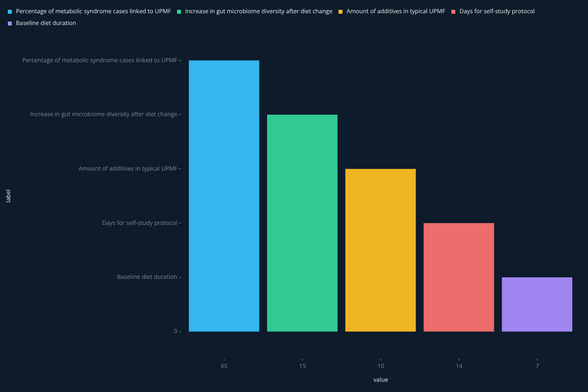
UPF rules overlook gut microbiome markers tied to metabolic syndrome. A recent study (https://pmc.ncbi.nlm.nih.gov/articles/PMC12734455/) flags this gap, limiting FDA guidance. Try a personal N‑of‑1 diet test to spot your own effects. #gut-microbiome #ultraprocessed #metabolic-syndrome
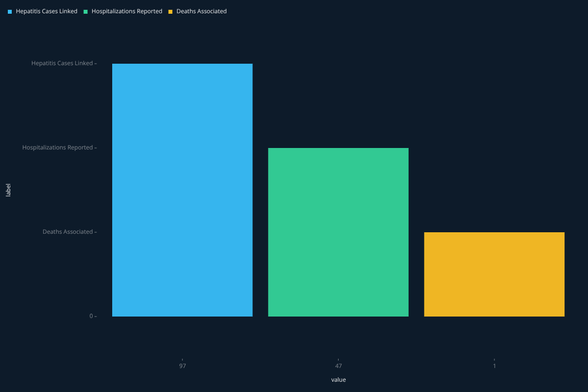
OxyElite Pro caused >90 hepatitis cases & 47+ hospitalizations, exposing DSHEA's gap: supplements need post‑market safety checks, not pre‑market efficacy proof. #dietary-supplements #regulation #dshea #oxyelite-pro #safety