 The Style mix
5 Proven Ways to Improve Gut Health and Boost Your Immune System Naturally
Did you know that about 70% of your immune system is in your gut? This shows how important your digestive system is. It helps keep your body safe from bad bacteria and inflammation.
It’s key to keep your digestive system balanced for good health. Your gut has trillions of tiny living things, like good bacteria. Eating more fruits and veggies can help your gut health.
Good gut health helps your body absorb nutrients and fight off bad germs. This guide will show you five easy ways to keep your gut healthy. Drinking enough water is also important for digestion. Having a healthy digestive system is a big step towards better health. It helps prevent problems like bowel disease and issues from eating processed foods.
Introduction to Gut Health
The link between gut health and overall health is clear. Dr. March Seabrook says a balanced digestive system is key for digestion, metabolism, and immunity. Eating fermented foods and a variety of fruits and vegetables can really help your gut.
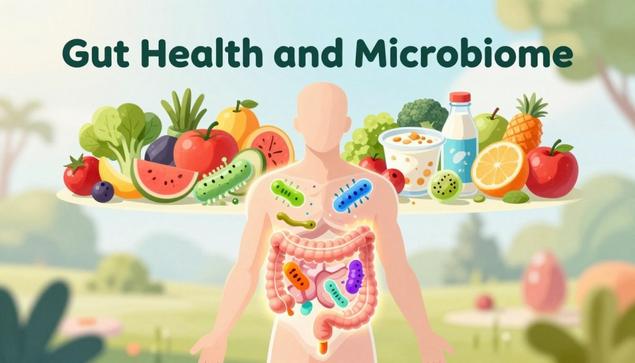
Your digestive system is home to trillions of tiny living things. These include bacteria, viruses, and fungi, known as the gut microbiome. This group of tiny beings is very important for your health. They help your immune system and how you absorb nutrients from foods.
Many people are learning that the right balance of bacteria gut is key. It helps prevent diseases like inflammatory bowel disease and irritable bowel syndrome. Knowing how these tiny beings work with your body is important for your health and preventing chronic diseases.
Experts say that focusing on gut health is a smart way to keep your body healthy. Adding probiotics and drinking lots of water are also good ideas.
Understanding How Gut Health Impacts Immunity
Research shows that a lot of your immune system is in your gut. This area of your body is a main defense against bad bacteria.
If your bacteria gut balance is off, you might get sick more easily. Or, you could even get chronic autoimmune diseases. Keeping your gut balanced is key for a strong immune system.
A healthy gut helps your immune system by controlling inflammation. It also makes sure your body gets the nutrients it needs for health.
The gut-brain axis lets your gut talk to your brain. This affects your immunity and how you handle stress. Taking care of your gut is a smart way to keep your immune system strong.
Read more: How to Bake Insulin-Friendly Muffins: Soft, Moist, and Guilt-Free
way to have healthy gut: Simple and Effective Strategies
The gut microbiome is a complex group of tiny living things. They are very important for your health. Eating a variety of foods helps these tiny beings thrive.
A healthy microbiome helps with digestion and keeps you safe from diseases. Eating foods like fruits vegetables helps the good bacteria in your gut. This supports a healthy digestive system.
Simple changes in your life can help a lot. Managing stress and staying active are good for your gut and immunity. By taking care of your gut, you help your body stay healthy and strong.
Read more: How to Boost Insulin Sensitivity with Healthy Eating Tips: Simple Recipes
Optimizing Your Diet for a Healthy Gut
Eating right can make your gut healthier. Most people need 21 to 38 grams of fiber each day. This helps reduce inflammation and keeps your colon working well.
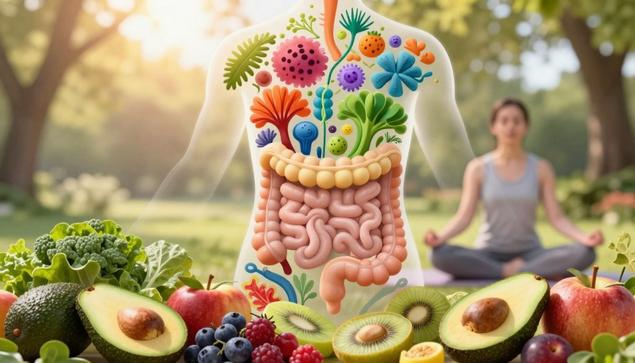
Eating lots of fruits and vegetables is key. They give your gut the fiber it needs. This helps your gut stay healthy and helps you go to the bathroom regularly. Also, adding probiotics to your diet can help your gut even more.
Choosing whole foods is smart. This avoids bad additives that can upset your gut.
Fiber feeds the good bacteria in your gut. This can stop problems like constipation and diseases like Crohn’s.
A diet full of fiber and plant-based foods is best. It keeps your gut healthy and boosts your overall health.
Lifestyle Changes to Enhance Digestive Health
Simple changes can improve your digestion. Doing 150 to 270 minutes of exercise a week helps your gut and health.
Drinking 4 to 6 cups of water a day is also key. It helps move nutrients and prevents constipation.
Getting 7 to 9 hours of sleep a night is crucial. Good sleep helps manage stress and keeps your gut-brain axis in balance.
Stress can harm your gut. It can change hormones and hurt your digestion. So, finding ways to relax is important.
Regular exercise and enough sleep support your gut’s bacteria. These changes improve your digestion and keep your system balanced.
Recognizing and Addressing Common Gut Health Symptoms
Knowing your gut symptoms is key for health. March Seabrook, MD, says signs like pain, bloating, and diarrhea might mean a gut problem.
If your bowel habits change, like going less often, see a doctor. Watching these signs can stop bigger problems.
Doctors use fecal calprotectin tests for gut inflammation. Conditions like C. diff can upset your gut and cause serious illness.
If you have red flag symptoms like bloody stools or severe pain, get help fast. Taking care of your gut health is very important.
Read more: How to Make Insulin-Reducing Overnight Oats: Healthy and Tasty
Practical Tips from Health Experts
Experts say gut health is vital. March Seabrook, MD, recommends probiotics like Lactobacillus, Bifidobacterium, and Saccharomyces to balance gut bacteria.
Eating fermented foods like yogurt and sauerkraut adds good bacteria. These foods help your digestive system work better.
Prebiotics feed good bacteria, helping them grow. Avoid foods that hurt your gut, like bananas or gluten.
Always talk to a doctor before starting new supplements. This makes sure they’re right for you.
Conclusion
Investing time in your digestive health can lead to significant long-term benefits. Taking care of your gut is a lifelong promise. It brings better immunity, a happier mood, and less risk of chronic diseases.
By following five simple strategies, you can control your digestive system. You’ll feel great every day. Small changes, like eating more fiber or managing stress, can make a big difference.
If you have ongoing symptoms, don’t wait to see a doctor or specialist. They can give you the care you need. Taking action now keeps your gut healthy. This lets you live a better life for many years.
Disclaimer: The information provided in this blog is for educational and informational purposes only and is not intended as medical advice. We are not a medical professional, and the content shared here—including recipes, nutrition tips, and discussions related to insulin, blood sugar, or metabolic health—should not be used to diagnose, treat, cure, or prevent any medical condition.
Always consult with a qualified healthcare provider before making changes to your diet, medications, or lifestyle, especially if you have diabetes, insulin resistance, or any other health condition. Individual needs vary, and what works for one person may not be appropriate for another.
By using this site, you acknowledge that you are responsible for your own health decisions and agree that the author is not liable for any outcomes related to the use of the information provided.
#Lifestyle #antiInflammatoryFoods #blog #boostImmunityNaturally #BoostImmunitySystem #digestiveWellness #GutHealth #gutHealthTips #gutMicrobiome #gutImmuneConnection #healthyDigestionTips #healthyEalting #healthyGut #healthyLifestyleForWomen #holisticHealth #ImmuneSystem #improveGutHealth #naturalHealthRemedies #naturalImmuneSupport #prebiotics #probiotics #Style #WaysToHaveHealthyGut #womenSHealth #womenSWellness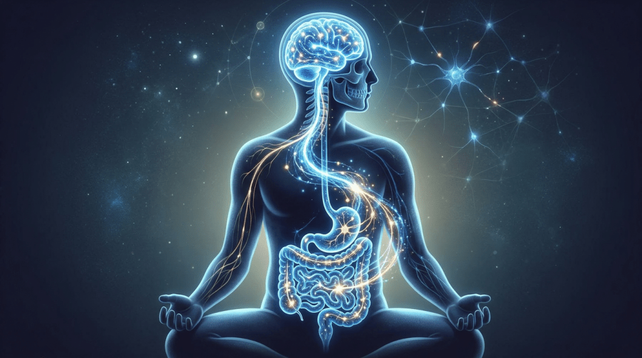

 DoRaleigh