The role of goats in the world: Society, science, and sustainability

by Christopher D. Lu, October 2023

Highlights

• Goats are intertwined with evolution of human civilization and dispersal.
• Continuous scientific and technological development is crucial to sustain a viable goat sector as a force to alleviate food insecurity, malnutrition, and poverty.
• Role of goats are consequential to food and nutrition, economic, and environmental sustainability.

Excerpts: "Goats have been a part of evolution of human civilization tracing back to the Neolithic period. Goat milk and meat were exploited from the beginning of the middle Pre-Pottery Neolithic B in the Near East (Helmer et al., 2007). Goat is one the first domesticated ungulates. Initial goat domestication has been documented in the highlands of Western Iran at 10,000 calibrated calendar years (YBP) ago (Zeder and Hesse, 2000, Hermes et al., 2020). Domestic goats (Capra hircus) is believed to be domesticated from wild bezoar populations (Capra aegagrus) (Zeder, 2008). Evidence in genetic markers suggested that multiple divergent ancient wild goat sources were domesticated in a dispersed process that resulted in genetically and geographically distinct Neolithic goat populations (Daly et al., 2018). A large-scale mitochondrial DNA (mtDNA) analysis of wild and domestic goats suggested that area in Eastern Anatolia, Northern and Central Zagros to have been the domestication centers where almost all domestic goats were originally from (Naderi et al., 2008).

"Presence of high mtDNA diversity in Inner Asian Mountain Corridor and Central Kazakhstan suggested that herding communities living in montane ecosystems were drawing from genetically diverse goat populations in the Iranian Plateau (Hermes et al., 2020). Analyses of the nearly complete mitochondrial protein-encoding genes of the goat revealed that the timing of population expansion of goats occurred in the Late Pleistocene and predated the now believed the beginning of goat domestication, approximately 10,000 YBP (Nomura et al., 2013). Demographic analyses using Multiple Sequentially Markovian Coalescent suggested that the divergence times between modern Asian and European goat populations might have predated the archaeologically estimated domestication time (Zheng et al., 2020). These observations raised the possibility that goats might have been domesticated even earlier than 10,000 YBP.

"Domestication of goats has been closely related to human dispersal (Colli et al., 2018). Domesticated goats (Capra hircus) are at the subsistence core of pastoralist and farming communities around the world (Redding, 1984). From the Greek mythology of the half-human-half goat deity, Goat-knight Steed in the popular web series Critical Role, to Gogoat (Number 673 in Pokemon), goats have been part of history of human imagination. The roles of goats in the world are numerous, form entertainer, yoga enhancer, to food and fiber producer that has been an important part of life sustaining history of human civilization. The role of goats in nutrition, health, and food security is underscored by the continuous increase in global production and consumption of goat milk and meat."

Read more:
https://www.sciencedirect.com/science/article/pii/S0921448823001529

#SolarPunkSunday #DairyGoats
#GoatFarming #GoatCheese #GoatMeat #Sustainability #HumanHistory #AnimalProducts #Methane

Swansea man ordered to repay £31,000 after illegal ‘smokie’ meat operation

A Swansea man has been ordered to pay back more than £31,000 in profits after being found guilty of illegally producing and selling “smokie” meat — a banned delicacy made from singed sheep or goat carcasses.

Ian Thomas, 46, of Gorseinon Road, Penllergaer, was handed the confiscation order at Isleworth Crown Court last month following a Proceeds of Crime Act hearing brought by the Food Standards Agency (FSA) and its National Food Crime Unit (NFCU).

Thomas was found to have played a key role in the slaughter, manufacture and distribution of smokies across England, Wales, Northern Ireland and Scotland, placing unsafe food on the market and breaching hygiene regulations.

What are smokies — and why are they banned?

Smokies are a traditional West African delicacy made by singeing the fleece off an unskinned sheep or goat carcass, giving the meat a golden-brown colour and smoky odour. However, the process is illegal in the UK due to serious public health risks, including potential contamination with E. coli and Salmonella.

Because smokies are typically produced in unapproved premises, they fall outside the UK’s strict food safety standards — and pose a risk to consumers and legitimate businesses alike.

“We will recover the profits”

David Williams, Senior Financial Investigator at the NFCU, said the case sends a clear message:

“We’re not just content to prosecute those who commit food crime — we will also pursue them to recover the profits they made and recoup taxpayers’ money spent on investigating and prosecuting them.”

“Food crime puts communities at risk and undermines legitimate business. We’re committed to disrupting and stopping the criminal element.”

The FSA says it has explored the possibility of safe, legal smokie production, but current regulations prevent it.

Anyone with concerns about food fraud or illegal meat production can report anonymously via Food Crime Confidential or call 0800 028 1180.

Related stories on food safety and consumer protection

Food safety body says children under seven should not have ice slushies
Published July 2025: UK health officials issue new guidance warning of potential health risks from high levels of glycerol in slush drinks.

Health organisation issues salmonella warning over poultry products imported into the UK from Poland
Published July 2025: Public health alert issued after contaminated poultry linked to multiple cases of salmonella across the UK.

Shoppers warned of safety risks from fake chocolate bars
Published July 2025: Counterfeit confectionery found in circulation, prompting warnings over allergens and unregulated ingredients.

HMRC makes major change in pet food VAT guidance and drops legal case against Kidwelly-based manufacturer
Published July 2025: Tax authority reverses stance on VAT classification for pet food, ending a long-running dispute with a Carmarthenshire business.

#butcher #EColi #foodDrink #foodCrime #FoodStandardsAgency #FSA #GOAT #goatMeat #illegalMeat #NationalFoodCrimeUnit #NFCU #Penllergaer #publicHealth #Salmonella #smokieMeat #Swansea

#山羊刺し #山羊ステーキ #山羊汁 と山羊のフルコース🐐😊
唐揚げはバラ肉で、ぼんじりのようなカリジュワ😋
こちらでないとなかなか飲めない #美ら燦々 のソーダ割を無限に飲んでいました🥃
つまみもサービスも最高でおすすめのお店です🫶
#okinawa #泡盛 #goatmeat
https://instagr.am/p/C7vmBH0pMic/
武者 晶紀 on Instagram: "#山羊刺し #山羊ステーキ #山羊汁 と山羊のフルコース🐐😊 唐揚げはバラ肉で、ぼんじりのようなカリジュワ😋 こちらでないとなかなか飲めない #美ら燦々 のソーダ割を無限に飲んでいました🥃 つまみもサービスも最高でおすすめのお店です🫶 #okinawa #泡盛 #goatmeat"

0 likes, 0 comments - akinori.musha on June 2, 2024: "#山羊刺し #山羊ステーキ #山羊汁 と山羊のフルコース🐐😊 唐揚げはバラ肉で、ぼんじりのようなカリジュワ😋 こちらでないとなかなか飲めない #美ら燦々 のソーダ割を無限に飲んでいました🥃 つまみもサービスも最高でおすすめのお店です🫶 #okinawa #泡盛 #goatmeat".

Instagram

Goat Meat: It's the G.O.A.T. of meat.

#food
#goat
#goatmeat

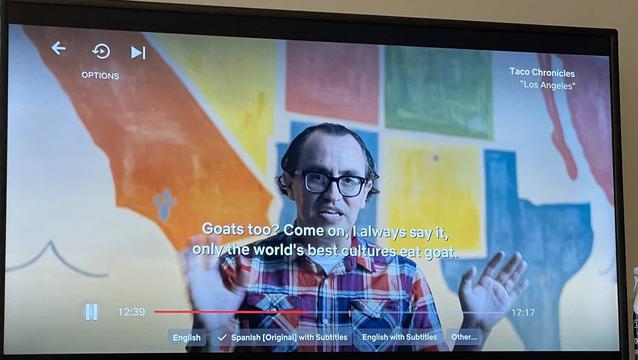
Love this remark lol. As a Bengali, I love goat meat— whether it is a Bengali/Indian Goat curry or a Goat Biryani, Mexican Birria, or a Yeomso Tang— Korean goat stew. It is however rare to find it in the US in restaurants, although that is slowly changing.

#goatmeat #immigrantfood #foodie #foodculture

Ugali, Beans & Goat Meat Stew - Beans Stew with goat meat served with ugali (cornmeal)
#food #foodpics #goat #goatmeat #ugali #africa #africanfood #popup #wales