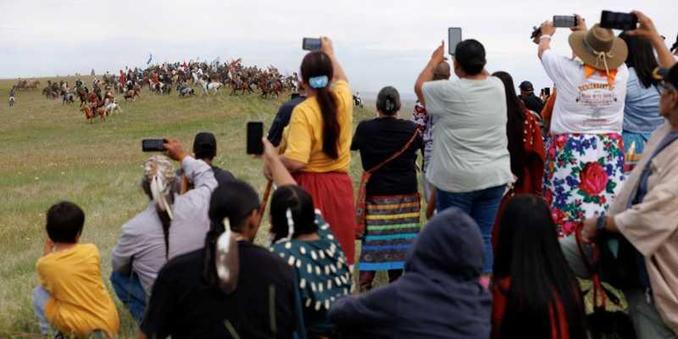
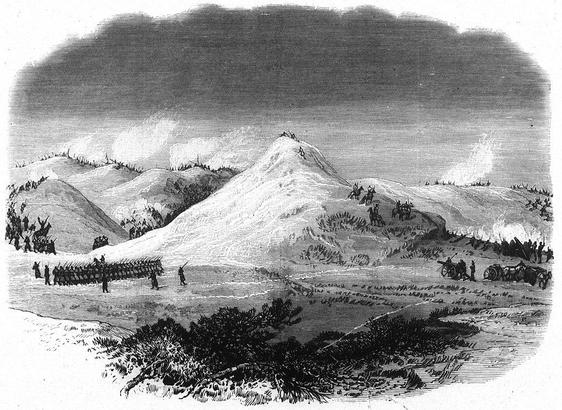
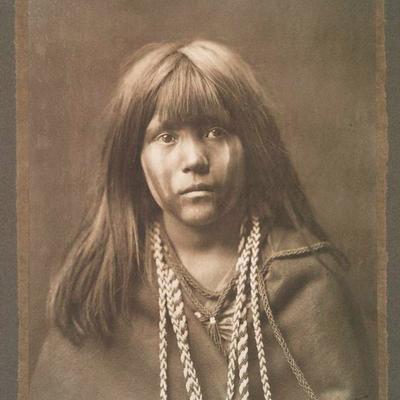
'Today I am celebrating the victory of our people': Native Americans ring in the anniversary of the Battle of Little Bighorn | Fortune

The United States of America is celebrating its 250th birthday. The people who beat Custer are celebrating something else.

https://fortune.com/2026/06/25/little-bighorn-150-anniversary-native-american-commemoration/

#TopNews #News #Custer #NativeAmericans #NorthDakota

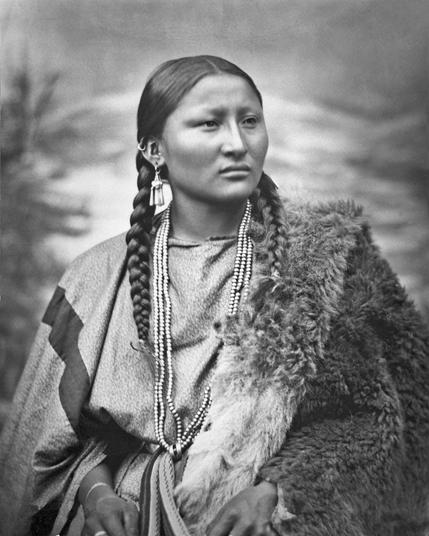
Today in Labor History June 25, 1876: The Battle of Little Big Horn began, when warriors from the Lakota Sioux, Northern Cheyenne, and Arapaho tribes routed the U.S. 7th Cavalry, led by George Armstrong Custer, who died in the battle. Indigenous chiefs who contributed to the victory include Crazy Horse, Gall, and Sitting Bull. The U.S. was trying to force the indigenous tribes onto reservations, so they’d have unencumbered access to the gold in the Black Hills. Many women participated in the battle, including Pretty Nose, an Arapaho chief who lived to be 101 years old.

A full account of the battle can be read in Dee Brown’s 1970 book: “Bury My Heart at Wounded Knee.” The 1964 novel, “Little Big Man” by Thomas Berger and the 1970 film “Little Big Man” (starring Dustin Hoffman) depict the battle in a more comical manner. The film version includes the Little Horse, a Two Spirit/trans character, played by indigenous actor Robert Little Star. Hemaneh (the Cheyenne word for two-spirit people) were critical to Cheyenne culture. They were respected physicians and healers, counselors, and leaders. While the inclusion of a trans character in a mainstream 1970 Hollywood film might seem pretty bold, Hemaneh writer Adrian L. Jawort points out that the Little Horse character is primarily the object of ridicule in the film.

You can read Jawort’s article An Indigenous perspective on “Disclosure: Trans lives on screen”
here: https://ictnews.org/opinion/an-indigenous-perspective-on-disclosure-trans-lives-on-screen/

#workingclass #LaborHistory #littlebighorn #indigenous #genocide #nativeamerican #custer #twospirit #hemaneh #cheyenne #lakota #sioux #arapaho

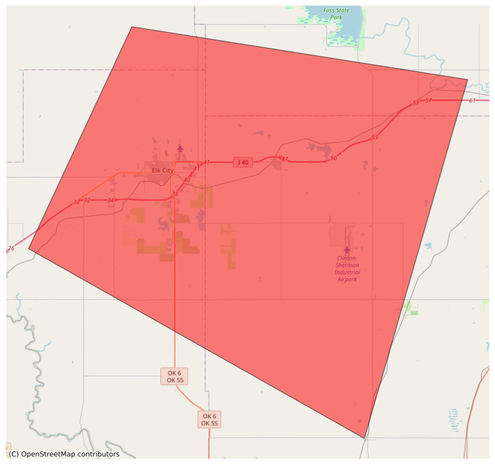
#EAS #WEA for Blaine, #OK; #Caddo, #OK; #Canadian, #OK; #Custer, #OK; #Dewey, #OK; #Garfield, #OK; #Kingfisher, #OK; #Major, #OK: National Weather Service: SEVERE THUNDERSTORM WARNING in effect for this area until 1:30 AM CDT for DESTRUCTIVE 80 mph winds. Take shelter in a sturdy building, away from windows. Flying debris may be deadly to those caught without shelter. Source: NWS Norman OK

** DO NOT RELY ON THIS FEED FOR LIFE SAFETY, SEEK OUT OFFICIAL SOURCES ***

#EAS #WEA for Beckham, #OK; #Custer, #OK; #Roger Mills, #OK; #Washita, #OK: National Weather Service: SEVERE THUNDERSTORM WARNING in effect for this area until 6:45 PM CDT for DESTRUCTIVE baseball size hail. Take shelter in a sturdy building, away from windows. People and animals outdoors will be severely injured. Source: NWS Norman OK

** DO NOT RELY ON THIS FEED FOR LIFE SAFETY, SEEK OUT OFFICIAL SOURCES ***

Planning a trip to South Dakota’s Black Hills? Don’t just visit Custer State Park—stay in it. This guide covers the four best places to stay within the park, from lakeside cabins to historic lodges, including who they’re best for, nearby activities, dining tips, and why spending two or more days inside the park is totally worth it. #stateparks #SouthDakota #Custer #buffalo

https://careyontravels.com/lodging-custer-state-park/?utm_source=flipboard&utm_medium=activitypub

Posted into North America, Unscripted @north-america-unscripted-CareyOnTravels

The Best Places to Stay in Custer State Park (For Couples, Families & Adventurers) - Carey On Travels

The Best Places to Stay in Custer State Park (For Couples, Families & Adventurers) - Carey On Travels Travel Bonus

Carey On Travels

Today in Labor History January 8, 1877: Crazy Horse and his warriors fought their final battle against the U.S. Cavalry at Wolf Mountain, Montana Territory. Just six months earlier, Crazy Horse and Chief Gall had led Lakota, Cheyenne and Arapaho warriors in the routing of Custer and the 7th Cavalry in the Battle of Little Bighorn. Many bands of Sioux and Cheyenne had returned to the reservations to get food and supplies in preparation for winter. However, Congress had demanded that they cede the Black Hills in exchange for these goods, and they replaced the civilian contractors in charge of these supplies with army soldiers. This convinced many people to avoid the reservations and mistrust the U.S. government even more than they already did. Then, in December, U.S. troops defeated Sitting Bull’s band, as well as Dull Knife's Cheyennes, who had trekked through snow to join Crazy Horse. Considering their weakened condition and the approaching winter, Crazy Horse tried to negotiate peace with the army. The army responded by murdering Crazy Horse's delegation. Consequently, they continued fighting. The final battle occurred on January 8, 1877. While only 3 people died on each side and the battle was essentially a draw, the U.S. treated it as a strategic victory in light of their recent humiliation at Little Big Horn, and because it showed they could avoid defeat under harsh winter conditions.

#workingclass #LaborHistory #indigenous #littlebighorn #crazyhorse #sioux #cheyenne #custer #blackhills #treaty #nativeamerican #genocide

Custer monument and group c1908 July 6.
Curtis, Edward S., 1868-1952
1 photographic print. | Photograph shows Edward S. Curtis, (second from right), with four Apsaroke men (from left to right: Hairy Moccasin, White Man Runs Him, Alexander Upshaw, and Goes Ahead on horseback at the Custer Monument. All are Crow scouts except for Upshaw.

#Custer #Curtis #EdwardS #EdwardSCurtis #second #Apsaroke #AlexanderUpshaw #theCusterMonument #Upshaw #NativeAmerican #CusterMonument #1839-1876 #1868-1952 #1900-1910 #Battlefields #Cemeteries #ChiefChild #CrowIndians #Curtis #EdwardS #Custer #GeorgeArmstrong #GoesAhead #Horses #Montana #Monuments #Monuments&memorials #undefined

https://www.loc.gov/item/2002722304/

On the Custer outlook c1908 July 6.
Curtis, Edward S., 1868-1952
1 photographic print. | Edward S. Curtis (second from right) and four Apsaroke men, seated in half circle, their horses behind them.

#Custer #Curtis #EdwardS #|EdwardSCurtis #second #Apsaroke #NativeAmerican #1868-1952 #1900-1910 #CrowIndians #Curtis #EdwardS #Horses #Montana #undefined

https://www.loc.gov/item/2002722305/

Aviation weather for Custer County airport (USA) is “KCUT 031753Z AUTO 24010G20KT 10SM CLR 26/00 A3006 RMK AO2 PK WND 23027/1717 SLP117 T02610000 10261 20094 58012” : See what it means on https://www.bigorre.org/aero/meteo/kcut/en #custer #usa #custercountyairport #kcut #metar #aviation #aviationweather #avgeek #airport vl
Custer County airport (United State) aviation weather and informations KCUT

Aviation weather with TAF and METAR, Maps, hotels and aeronautical information for Custer County airport (United State)

Bigorre.org
Aviation weather for Custer County airport (USA) is “KCUT 031753Z AUTO 24010G20KT 10SM CLR 26/00 A3006 RMK AO2 PK WND 23027/1717 SLP117 T02610000 10261 20094 58012” : See what it means on https://www.bigorre.org/aero/meteo/kcut/en #custer #usa #custercountyairport #kcut #metar #aviation #aviationweather #avgeek #airport vii3
Custer County airport (United State) aviation weather and informations KCUT

Aviation weather with TAF and METAR, Maps, hotels and aeronautical information for Custer County airport (United State)

Bigorre.org