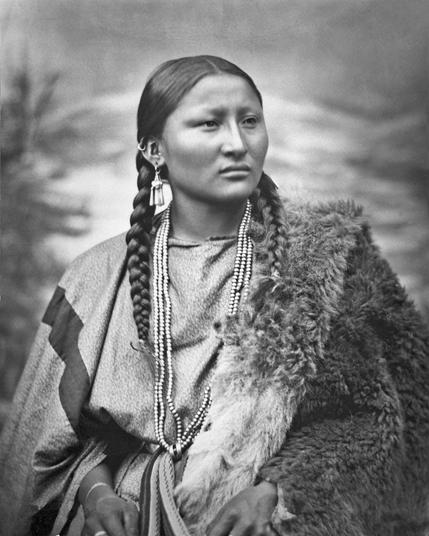
Today in Labor History June 25, 1876: The Battle of Little Big Horn began, when warriors from the Lakota Sioux, Northern Cheyenne, and Arapaho tribes routed the U.S. 7th Cavalry, led by George Armstrong Custer, who died in the battle. Indigenous chiefs who contributed to the victory include Crazy Horse, Gall, and Sitting Bull. The U.S. was trying to force the indigenous tribes onto reservations, so they’d have unencumbered access to the gold in the Black Hills. Many women participated in the battle, including Pretty Nose, an Arapaho chief who lived to be 101 years old.

A full account of the battle can be read in Dee Brown’s 1970 book: “Bury My Heart at Wounded Knee.” The 1964 novel, “Little Big Man” by Thomas Berger and the 1970 film “Little Big Man” (starring Dustin Hoffman) depict the battle in a more comical manner. The film version includes the Little Horse, a Two Spirit/trans character, played by indigenous actor Robert Little Star. Hemaneh (the Cheyenne word for two-spirit people) were critical to Cheyenne culture. They were respected physicians and healers, counselors, and leaders. While the inclusion of a trans character in a mainstream 1970 Hollywood film might seem pretty bold, Hemaneh writer Adrian L. Jawort points out that the Little Horse character is primarily the object of ridicule in the film.

You can read Jawort’s article An Indigenous perspective on “Disclosure: Trans lives on screen”
here: https://ictnews.org/opinion/an-indigenous-perspective-on-disclosure-trans-lives-on-screen/

#workingclass #LaborHistory #littlebighorn #indigenous #genocide #nativeamerican #custer #twospirit #hemaneh #cheyenne #lakota #sioux #arapaho
#MoviesThatChangedYourLife
#LittleBigMan with #DustinHoffman and #ChiefDanGeorge. It reinforced my intuitive beliefs (at a very young age) of how #Colonialism affected #NativeAmericans, and also the existence of #Hemaneh. So powerful!
https://www.youtube.com/watch?v=QwgnDn8ez9g
#BurnYourVillageToTheGround #TodayIsAGoodDayToDie
Little Big Man Chief Dan George Goes up to the mountain to

YouTube

The 1970 movie "Little Big Man" had a HUGE influence on 10-11 year old me (I saw it on TV in the mid-70's). It confirmed my belief that the "cowboys" were the bad guys, and the "Indians" were the good guys. And I saw a bit of myself in "Little Horse," having considered myself a husband (I'm AFAB) to two "wives" -- one who was AMAB -- at a very young age (I identify as Bi and NB/gender fluid now). I understood immediately who Little Horse was and she/they was my favorite character!

An Indigenous perspective on “Disclosure: Trans lives on screen”

The media’s influence on trans identity may be stronger than you realize.

by Adrian Jawort
Nov 16, 2020

"In the classic 1970 film 'Little Big Man' starring Dustin Hoffman, Little Horse, portrayed by Native actor #RobertLittleStar, is a #TwoSpirit/#trans character whom the #Cheyenne in their language call a #Hemaneh.

"While the film is a brilliant roller coaster of humor and intense drama, Little Horse is oft remembered for nothing more than the former, playing the role of comedic relief. As a Northern Cheyenne myself, I’ve admittedly quoted their line as a jest pickup line to (mostly) other Natives familiar with the film: 'You look tired, Little Big Man. Would you like to come in my tipi and rest on soft furs?'

"The real story behind Two Spirit people is that they were highly respected amongst most Native tribes until #colonial beliefs and the values of so-called western civilization, brought from the other side of the world, made them an abomination. Hemaneh were essential to Cheyenne culture: the go-between persons for courtships, respected physicians and healers, hard workers who led by example, empathetic counselors known for nuanced and complex thinking, and carefully listened to, well-spoken leaders amongst the tribes."

Read more:
https://ictnews.org/opinion/an-indigenous-perspective-on-disclosure-trans-lives-on-screen

#NativeAmericansInFilm #TwoSpirits #LittleBigMan