Explorer 1, officially known as Satellite 1958 Alpha, was the third artificial satellite to be send into orbit. With this launch the US joined the Soviet into the space age, who had in the previous year successfully launched Sputnik 1 and Sputnik 2. ๐Ÿš€๐Ÿ›ฐ

Image credit ๐Ÿ“ธ #nasa

Catch you in the next post! ๐Ÿ‘ฉโ€๐Ÿš€๐Ÿ‘จโ€๐Ÿš€โœจ

#rocketengineering #launch #Vanallenradiationbelts #satellite #space #science #orbit #spaceexploration #spacerace #retrospaceflight #teamspace #betweenbrightplaces #spacescience #rocket

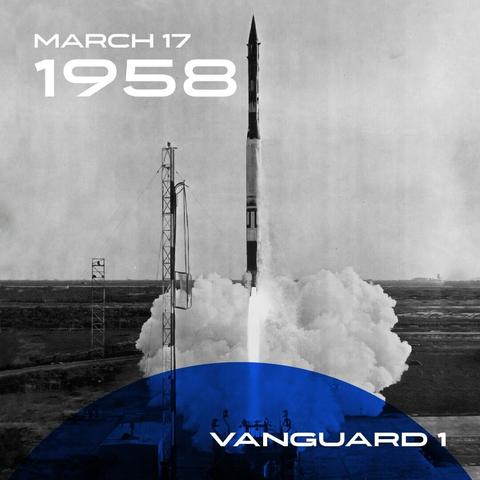
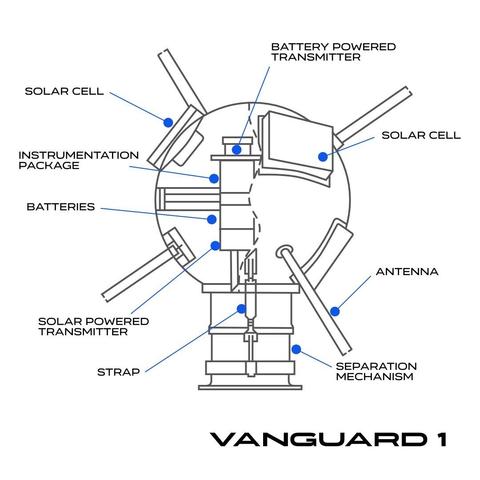
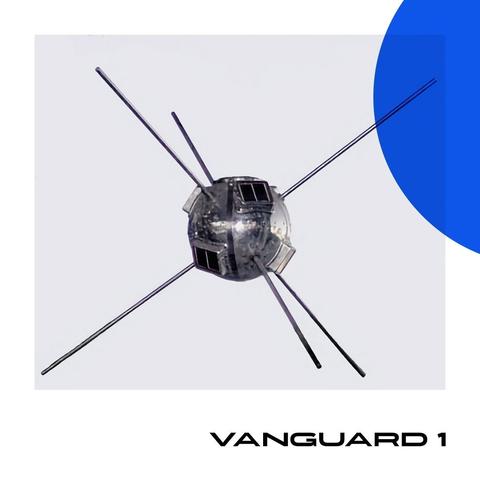
Vanguard 1 is a symbol of the dawn of the space age and was launched on the 17th of march 1958. It is the fourth artificial Earth-orbiting satellite to be successfully launched and It was the first satellite to use solar cells for power, which was a groundbreaking technology at the time. This innovation extended its operational life far beyond initial expectations. Its longevity in orbit reflects the durability of early space engineering. Can you imagine, it was operating until 1964 and remains the oldest human-made object still in orbit to this day.

Vanguard 1 was launched primarily to gather data on the effects of the space environment on a satellite and its systems in Earth orbit. It provided data on the density of the upper atmosphere by analyzing how the residual atmosphere drag affected its orbit over time. It also contributed in gathering data on Geodesy, Earth's shape, dimensions, and gravitational field.

Vanguard 1's contributions to geodesy, solar-powered spacecraft technology, and the study of atmospheric drag have had a lasting impact on satellite design and space exploration. The satellite is often celebrated as a pioneering achievement in space science.

Image credit ๐Ÿ“ธ #nasa

Catch you in the next post! ๐Ÿ‘ฉโ€๐Ÿš€๐Ÿ‘จโ€๐Ÿš€โœจ

#vanguard1 #rocketengineering #launch #satellite #space #science #orbit #spaceexploration #spacerace #retrospaceflight #teamspace #betweenbrightplaces #spacescience #rocket #solarpower
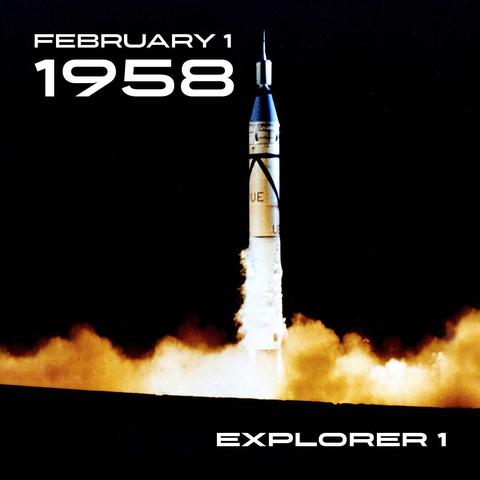
Explorer 1, officially known as Satellite 1958 Alpha, was the third artificial satellite to be send into orbit. With this launch the US joined the Soviet into the space age, who had in the previous year successfully launched Sputnik 1 and Sputnik 2. ๐Ÿš€๐Ÿ›ฐ

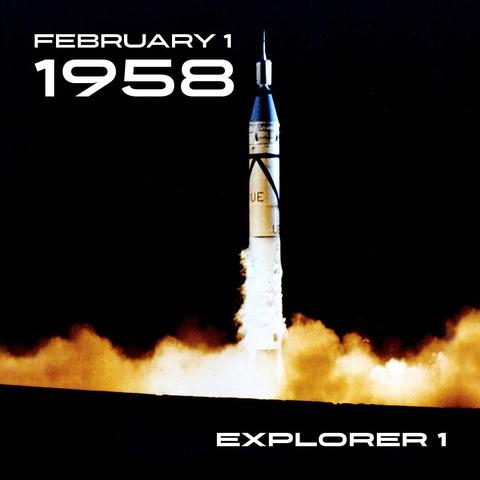
Explorer 1 launched atop a Juno 1 booster from Cape Canaveral, on February 1, 1958.
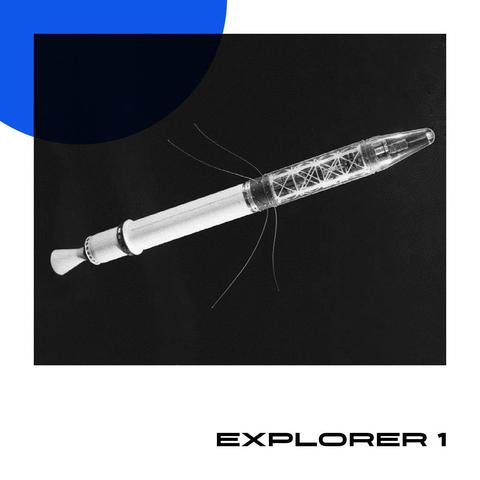
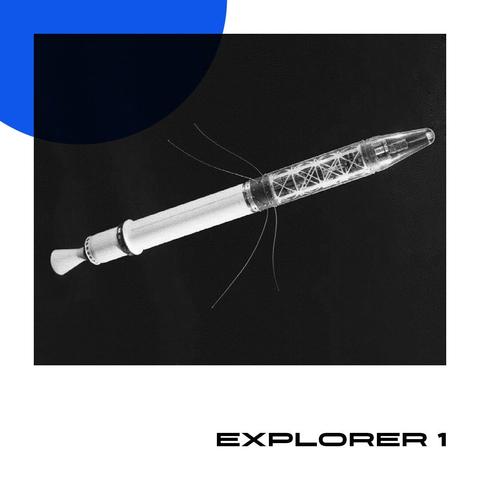
The satellite weighted 13.97 kg, of which 8,3 kg were scientific instruments. It carried five temperature sensors, an acoustic detector and a wire grid detector to detect micrometeorites impacts. And finally it carried a G-M tube used for the detection of ionizing radiation (cosmic ray), to measure the density of electrons and ions in space. This last instruments helped Dr. Van Allen and his team to measure and to discover what is know now as the Van Allen Radiation belts. Once in orbit, the cosmic ray equipment of Explorer 1 indicated that all of the zero counts per second reports were from an altitude of more than 2,000 km over South America, while passes at 500 km would show expected level of cosmic rays. Dr. Van Allen theorized on the existence of a belt charged particles trapped in space by earthโ€™s magnetic field.

Along the scientific instruments the payload was also composed of more than 29 transistors, Mercury chemical batteries (that made up around 40% of the payload weight) and four antennas to transmit data back to earth.

Explorer 1 continued returning data until its batteries were exhausted on February 28, 1958, but remained in orbit until March of 1970. Quite tough for a first satellite ๐Ÿ›ฐ

Image credit ๐Ÿ“ธ #nasa

Catch you in the next post! ๐Ÿ‘ฉโ€๐Ÿš€๐Ÿ‘จโ€๐Ÿš€โœจ

#explorer1 #rocketengineering #launch #Vanallenradiationbelts #satellite #space #science #orbit #spaceexploration #spacerace #retrospaceflight #teamspace #betweenbrightplaces #spacescience #rocket

After the successful launch of the worldโ€™s first artificial satellite by the Soviet space program, the United States turned their attention toward their own space program efforts. And so the space race was on! ๐ŸŒ๐Ÿš€โœจ

Catch you in the next post! ๐Ÿ‘ฉโ€๐Ÿš€๐Ÿ‘จโ€๐Ÿš€

4/4

#roscomos #sputnik1 #teamspace #nasa #spaceexploration #orbit #satellite #spacerace #retrospaceflight #betweenbrightplaces

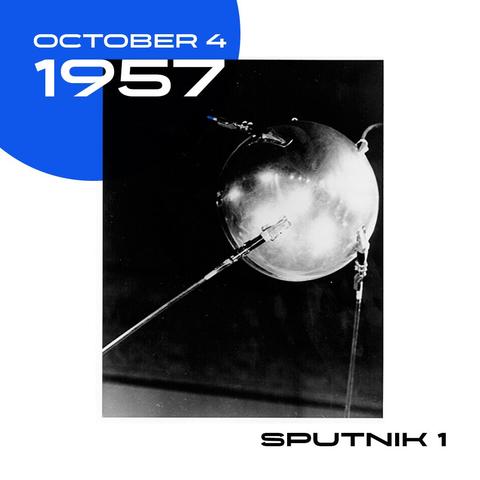
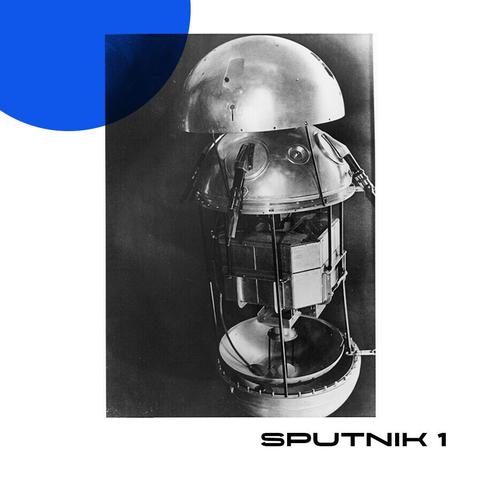
Sputnik 1, the first man-made device put into space on October 4, 1957. ๐Ÿš€๐Ÿ›ฐ

Sputnik 1 ( or Prosteyshiy Sputnik-1 ) was designed by space scientist and engineers at OKB-1 (Special Design Bureau 1) to be simple, light weight (under 100 kg) and easy to construct.
The final satellite weighted 83.6 kg and was a metal sphere of 58 cm (23 in) in diameter.

Image credit ๐Ÿ“ธ #nasa

1/4

#roscomos #sputnik1 #teamspace #spaceexploration #orbit #satellite #spacerace #retrospaceflight #betweenbrightplaces

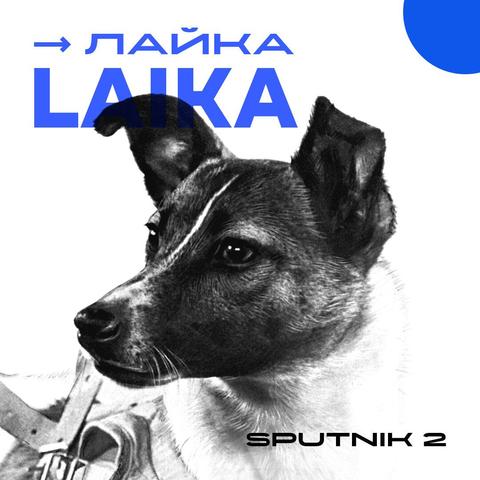
Laika, a street dog and first living creature in history to orbit the earth! ๐Ÿถ๐Ÿš€๐ŸŒ
Her launch took place during the Sputnik 2 mission on 3 November 1957, only 32 days after Sputnik 1 huge success.

Sputnik 2 was a cone-shaped capsule of 4 m high, a base diameter of 2 m and weighed 500 kg. It contained several compartments for radio transmitters, a telemetry system, a programming unit, a regeneration and temperature-control system for the cabin and scientific instruments. A separate sealed cabin gave enough room for Laika to lie down or stand. The pressurized cabin could provide food and water in a gelatinized form, contained an air regeneration system to provide oxygen, and monitored The canine cosmonautโ€™s vital activity with electrodes.

Unfortunately, the mission wasnโ€™t plan to bring Laika back to earth safely, as political pressure gave very little time to scientists to prepare a return mission. Even if the mission provided valuable first data on the behavior of a living organism in space, a return mission would have enable to get a lot more useful data. In 1998, Oleg Gazenko, the scientist who trained and selected Laika, expressed regrets regarding Laika death and said:
โ€œWork with animals is a source of suffering to all of us. We treat them like babies who cannot speak. The more time passes, the more Iโ€™m sorry about it. We shouldnโ€™t have done it. We did not learn enough from the mission to justify the death of the dog.โ€

Image credit ๐Ÿ“ธ ะ˜ะขะะ -ะขะะกะก/ะั€ั…ะธะฒ

Catch you in the next post! ๐Ÿ‘ฉโ€๐Ÿš€๐Ÿ‘จโ€๐Ÿš€

For more content follow @betweenbrightplaces โœจ

#roscomos #lowearthorbit #sputnik2 #laika #dog #dogofmastodon #dogofpixelfed #animalinspace #space #science #orbit #spaceexploration #spacerace #spacescience #spaceexploration #retrospaceflight #teamspace #betweenbrightplaces
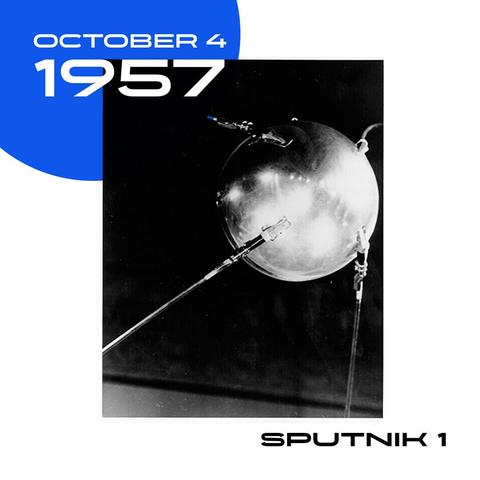
Sputnik 1, the first man-made device put into space on October 4, 1957. ๐Ÿš€๐Ÿ›ฐ

Sputnik 1 ( or Prosteyshiy Sputnik-1 ) was designed by space scientist and engineers at OKB-1 (Special Design Bureau 1) to be simple, light weight (under 100 kg) and easy to construct.
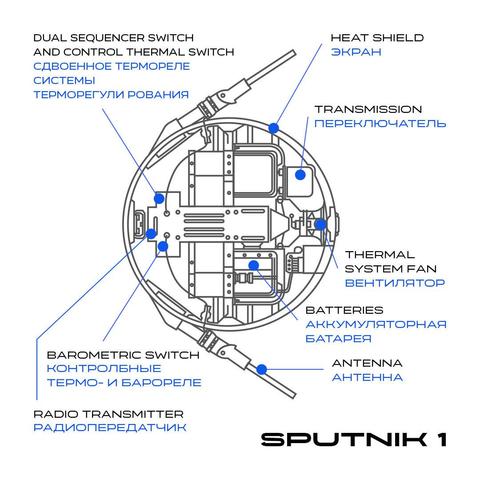
The final satellite weighted 83.6 kg and was a metal sphere of 58 cm (23 in) in diameter. It was assembled from two hemispheres that were hermetically sealed with O-rings and connected with 36 bolts. It was equipped with four external radio antennas, two radio transmitters, three silver-zinc batteries, a barometric switch and a 1 mm thick heat shield that covers the hemispheres. It also had a temperature regulation system (composed of a thermal system fan, a dual sequencer switch and a control thermal switch) to regulate the internal temperature between 20 ยฐC (68 ยฐF) and 36ยฐC (97 ยฐF).
PS-1 was designed to be only observed, without controls over its flight. So all tracking of the flight had to be conducted passively. The satellite, with its radio signal, sent valuable information about the electron density of the ionosphere, and the density of the upper atmosphere could be deduced from the rate of decay of its orbit.
After the successful launch of the worldโ€™s first artificial satellite by the Soviet space program, the United States turned their attention toward their own space program efforts. And so the space race was on! ๐ŸŒ๐Ÿš€โœจ

Image credit ๐Ÿ“ธ @nasa

Catch you in the next post! ๐Ÿ‘ฉโ€๐Ÿš€๐Ÿ‘จโ€๐Ÿš€

#roscomos #sputnik1 #teamspace #nasa #spaceexploration #orbit #satellite #spacerace #retrospaceflight #betweenbrightplaces