I'm glad to see Jared "Rook" Issacman appointed as #NASA Administrator.

It might be the only good thing Trump has done.

I would have met Jared at the Astro Awards last January in Austin if he hadn't then been considered for NASA Administrator for the first time. But from what I learned from two of his crewmates on the Polaris Dawn mission, he's absolutely the right fit.

Cool to see that he's donating his salary to the US Space and Rocket Center Space Camp to help inspire future astronauts.

#space #TeamSpace

I haven't done a really nerdy space post in a while.

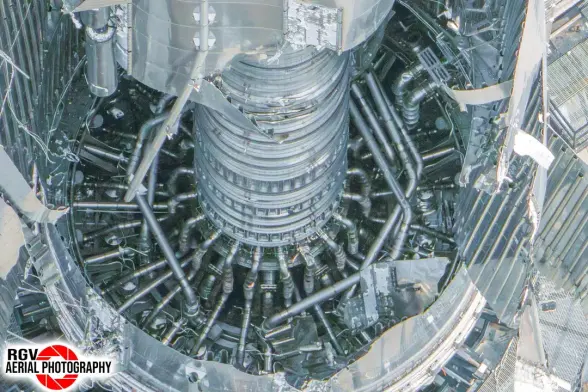
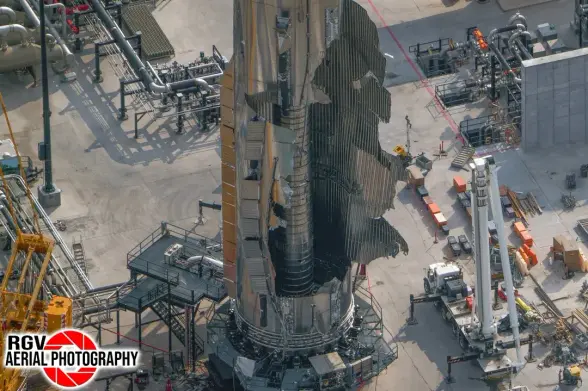
SpaceX Starship Booster 18 had a catastrophic failure last week during testing, and RGV Aerial Photography got a few shots of the aftermath. Engines weren't attached and fuel wasn't loaded... so it's unclear what caused this.

Regardless, the photography is breathtaking. The amount of engineering seen in these two photographs is insane.

There are usually 33 Raptor engines under this thing, and it takes all this plumbing to make those things spin and lift off what is equivalent to the height of CN Tower in Edmonton going to orbit.

#space #spacex #starship #TeamSpace

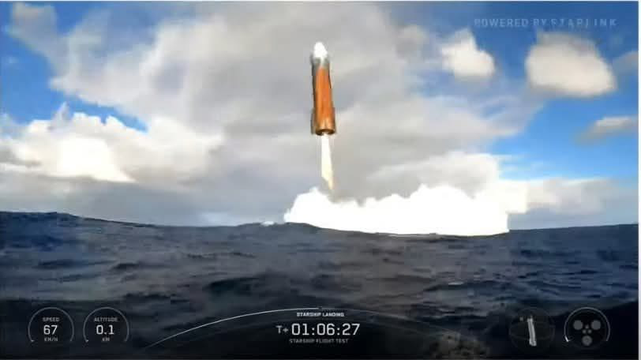
Turns out Starship is actually SLS in disguise

SpaceX exposed

#space #starship #SLS #NASA #artemis #spacex #teamspace

#Firefly Aerospace has landed on the #moon! Congratulations to all involved.

#TeamSpace

Made new friends too. I feel like I'm going to be back down here next year for the #AstroAwards again. It was such a wholesome, happy event and no matter where you were, you made friends.

Tim has grown such a wonderful community of space enthusiasts and everyone is just #TeamSpace. It was really cool to be among IT and space professionals, YouTube creators, and others and just be able to ✨relate✨ .

One of the biggest things - everyone is just themselves, and incredibly kind.

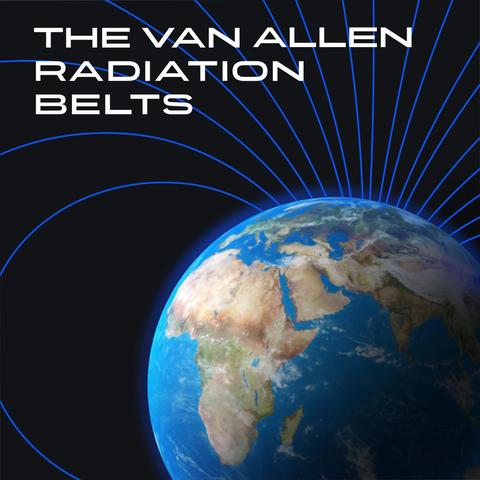
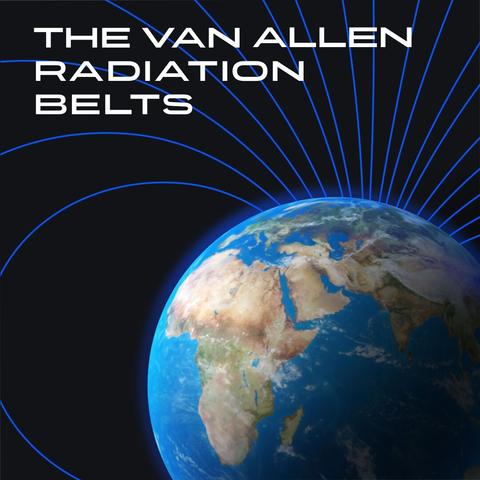
In the last post we mentioned the Van Allen radiation Belts. But what is it exactly?
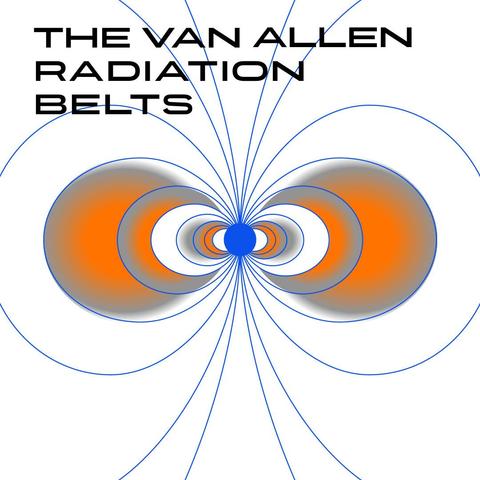
The Van Allen radiation belt is the Earth’s magnetosphere and protect the earth from high energy radiation particles coming from solar winds and others cosmic rays. It is composed of two main belts, with additional temporary ones occasionally forming. They kind of surrounds the Earth like an enormous donuts.

#space #science #discoveries #spaceexploration #teamspace #spacescience #earth #radiation

In the last post we mentioned the Van Allen radiation Belts. But what is it exactly?
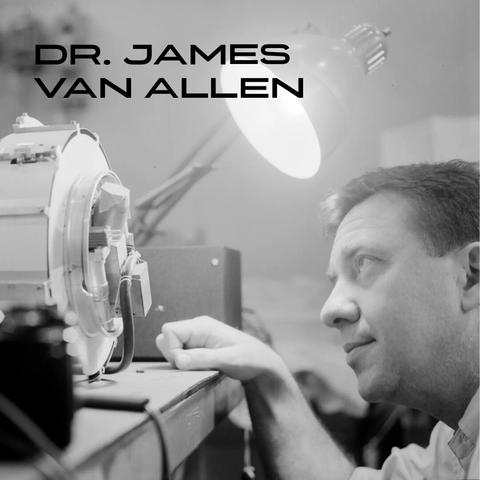
The Van Allen radiation belt is the Earth’s magnetosphere and protect the earth from high energy radiation particules coming from solar winds and others cosmic rays. It is composed of two main belts, with additional temporary ones occasionally forming. They kind of surrounds the Earth like an enormous donuts. The belts were discovered in 1958 by, you guessed it, astrophysicist James Van Allen. The discovery of the inner radiation belt was made using data collected from Explorer 1, while additional data from Pioneer 3 (December 6, 1958) and Explorer IV (July 26, 1958) contributed to the discovery of the outer radiation belt.
The belts have significant effects on satellites and other spacecraft due to the intense radiation within these regions. The radiation can harm their internal electronic components and have a detrimental impact on the health of passengers.
The Apollo missions were the first instance of humans traveling through the Van Allen belts. The astronauts' exposure to radiation in the belts was minimal due to the brief time spent passing through them.

Catch you in the next post! 👩‍🚀👨‍🚀✨

#space #science #discoveries #spaceexploration #teamspace #spacescience #earth

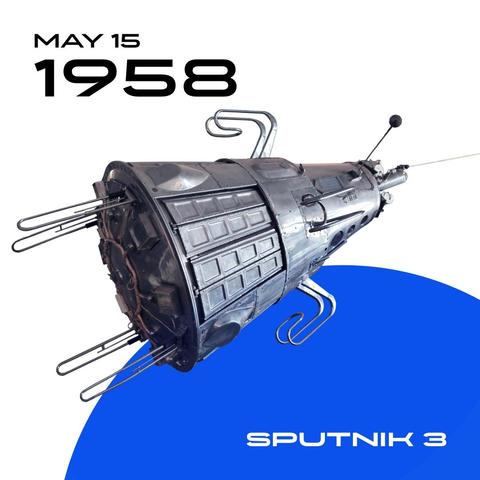
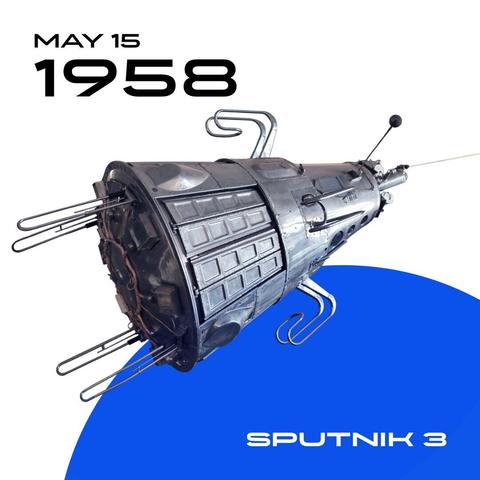
Two months after the launch of Vanguard 1, the Soviet Union followed with the launch of Sputnik 3. It had a more advanced scientific mission compare to its predecessors (Sputnik 1 and 2) and was the first Soviet satellite to carry a complete radio system for telemetry, tracking and command.
Image source 📸 Енин Арсений/Wikipedia (CC BY-SA 3.0)

#sputnik #rocketengineering #launch #satellite #space #science #orbit #spaceexploration #spacerace #retrospaceflight #teamspace #spacescience

1/3

Two months after the launch of Vanguard 1, the Soviet Union followed with the launch of Sputnik 3. Like Sputnik 1, it was launched by a modified R7 Semyorka rocket, developed specifically for satellite launches.
Sputnik 3 had a more advanced scientific mission compare to its predecessors (Sputnik 1 and 2) and was the first Soviet satellite to carry a complete radio system for telemetry, tracking and command. It was equipped with twelve scientific instruments that gathered data on the pressure and composition of the upper atmosphere, the concentration of charged particles, cosmic ray photons and heavy nuclei, as well as magnetic and electrostatic fields, and meteoric particles. However, the spacecraft's tape recorder failed to function properly, limiting the amount of data that could be transmitted. The spacecraft could only send data back to Earth in real time, so the only areas it could study were those in range of Soviet tracking stations. As a result, it was unable to effectively map the Van Allen radiation belts.
Image source 📸 Енин Арсений/Wikipedia (CC BY-SA 3.0)

Catch you in the next post! 👩‍🚀👨‍🚀✨

#sputnik #rocketengineering #launch #satellite #space #science #orbit #spaceexploration #spacerace #retrospaceflight #teamspace #spacescience

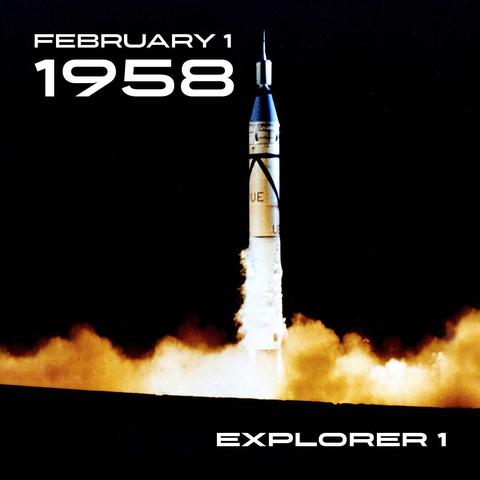
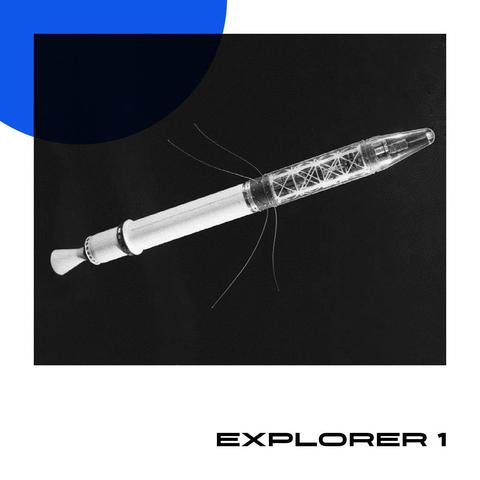
Explorer 1, officially known as Satellite 1958 Alpha, was the third artificial satellite to be send into orbit. With this launch the US joined the Soviet into the space age, who had in the previous year successfully launched Sputnik 1 and Sputnik 2. 🚀🛰

Image credit 📸 #nasa

Catch you in the next post! 👩‍🚀👨‍🚀✨

#rocketengineering #launch #Vanallenradiationbelts #satellite #space #science #orbit #spaceexploration #spacerace #retrospaceflight #teamspace #betweenbrightplaces #spacescience #rocket