From #yogurt to yield: Potential applications of #LacticAcidBacteria in plant production

by John R. Lamont, Olivia Wilkins, Margaret Bywater-Ekegärd, Donald L. Smith
Published August, 2017

Highlights
• Lactic acid bacteria (LAB) have been used for decades to improve plant growth.
• The plant - LAB relationship has yet to be fully characterized.
• LAB can serve as biofertilizers, biocontrols, biostimulants, and bioelicitors.

Abstract:
"Ferments containing lactic acid bacteria (LAB) have been used for decades in agricultural systems to improve soils, control disease and promote plant growth, however, the functional roles of LAB in the phytomicrobiome have yet to be discovered. An understanding of the symbiotic relationship between plants and LAB could be exploited to improve agricultural plant production.

"Scientific investigations to validate plant growth promoting properties of LAB are increasing in number and scope. LAB isolated from diverse sources have been shown to be effective biofertilizers, biocontrol agents, biostimulants. As biofertilizers, LAB can improve nutrient availability from compost and other organic material. In fermented food, LAB has served as an effective biocontrol agent; recently LAB have been shown to be effective in the control of a wide variety of fungal and bacterial phytopathogens. As biostimulants, LAB can directly promote plant growth or seed germination, as well as alleviating various abiotic stresses.

"In this review, we discuss the history and ecology of plants and LAB, appraise the available information on the use of LAB in improving plant production, and consider the limitations and potential new directions for the use of LAB in plant agriculture."

Source [includes intro, rest is behind a paywall]:
https://www.sciencedirect.com/science/article/abs/pii/S0038071716304151

#SolarPunkSunday #Biostimulants #Composting #PlantHealth #AncientTechnology #ModernTechnology #Biofertilizers #SoilEnhancement

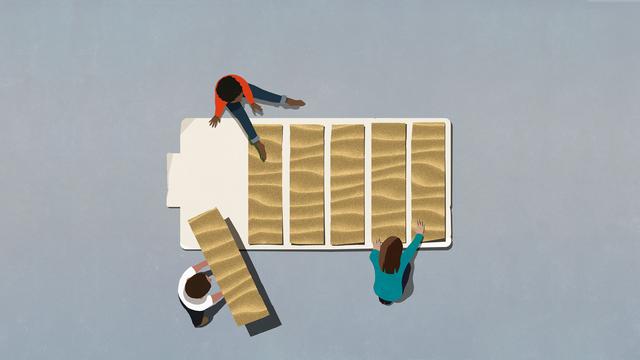
The next big #EnergyStorage device could be a 1000 °C #SandBattery

With high specific heat, low thermal conductivity, and no risk of fire, sand-based energy storage systems are gaining traction in grid-scale and industrial heating applications.

by Georgina Jedikovska, Jul 17, 2025

Excerpt: "While at first glance, sand might not seem like the most high-tech solution for energy storage, its ability to capture and retain heat has been harnessed for millennia.

"Sand might not seem high-tech, but its thermal properties have been used since antiquity. #AncientEgyptians mixed sand, silt, and straw to construct homes that absorbed solar heat by day and slowly released it by night.

"Today’s engineers are taking that principle further using refined materials, insulated steel silos, and precision heating systems to build high-temperature thermal energy reservoirs using sand."

Read more:
https://interestingengineering.com/energy/sand-batteries-clean-energy-storage

Archived version:
https://archive.ph/KW2T0

#SolarPunkSunday #SandBatteries #RenewableEnergy #AncientTechnology

Are sand batteries the future of clean energy storage?

Sand batteries are emerging as a viable alternative to lithium-ion for thermal energy storage, capable of holding heat with minimal loss.

Interesting Engineering

@wyatt_h_knott Actually, the Aztecs invented rubber, which was re-invented in the 1800s. I just found out about that myself.

Aztec, Maya Were Rubber-Making Masters?

Ancients blended plant juices to get bouncier or tougher rubber, study says.

By Rachel Kaufman
Published June 30, 2010

"Ancient civilizations in much of #Mexico and #CentralAmerica were making different grades of rubber 3,000 years before Charles #Goodyear 'stabilized' the stuff in the mid-19th century, new research suggests.

"The #Aztec, #Olmec, and #Maya of #Mesoamerica are known to have made rubber using natural latex—a milky, sap-like fluid found in some plants. Mesoamerica extends roughly from central Mexico to Honduras and Nicaragua.

"Ancient rubber makers harvested #latex from #RubberTrees and mixed it with juice from #MorningGlory vines, which contains a chemical that makes the solidified latex less brittle."

Read more:
https://www.nationalgeographic.com/science/article/100628-science-ancient-maya-aztec-rubber-balls-beheaded

Archived version:
https://archive.ph/XMpwr

#AncientTechnology #SolarPunkSunday #TraditionalTechnology #IndigenousHistory

Aztec, Maya Were Rubber-Making Masters?

Ancient Mesoamerican cultures blended plant juices to make rubber bouncier or more durable, a new study says.

Science
These 2,000-year-old cave homes naturally regulate temperature without electricity—but they come with a deadly risk.
#AncientTechnology #SustainableLiving #History #Architecture #EarthHomes
Read more:https://www.ancient-origins.net/ancient-places-asia/yaodongs-cave-dwellings-ancient-world-002801
University News

UA researchers find 3,500-year-old loom that reveals key aspects of textile revolution in the Bronze Age

University News
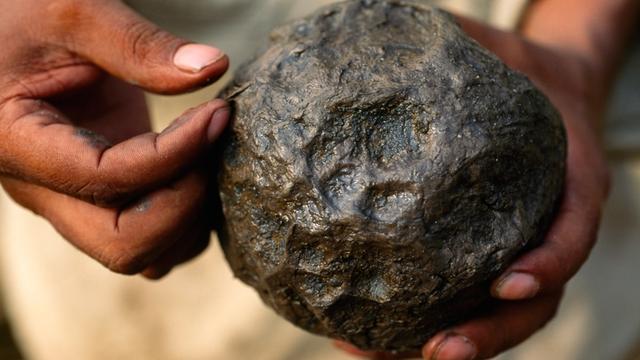
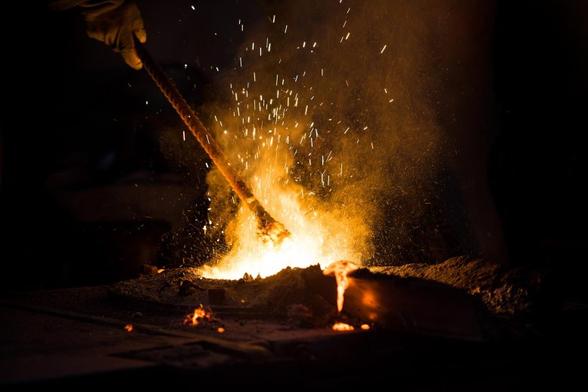
How Copper Smelters Accidentally Sparked the Birth of the Iron Age #Science #Archaeology #History hashtag1: #IronAge hashtag2: #CopperSmelting hashtag3: #AncientTechnology
https://purescience.news/article?id=959737
How Copper Smelters Accidentally Sparked the Birth of the Iron Age

Copper smelters once used iron oxide to refine copper, unintentionally advancing the path toward iron metallurgy. Research conducted at Cranfield University provides new insight into the shift from the Bronze Age to the Iron Age, suggesting that copper smelters experimenting with iron-rich rocks may have unintentionally paved the way for the invention of iron. The [...]

Pure Science News
How Copper Smelters Accidentally Sparked the Birth of the Iron Age #Science #Archaeology #History hashtag1: #IronAge hashtag2: #CopperSmelting hashtag3: #AncientTechnology
https://purescience.news/article?id=959737
How Copper Smelters Accidentally Sparked the Birth of the Iron Age

Copper smelters once used iron oxide to refine copper, unintentionally advancing the path toward iron metallurgy. Research conducted at Cranfield University provides new insight into the shift from the Bronze Age to the Iron Age, suggesting that copper smelters experimenting with iron-rich rocks may have unintentionally paved the way for the invention of iron. The [...]

Pure Science News

Solved! What Is a #Cistern?

Learn more about how #cisterns collect water and ways the collected water can be used around the home and #garden.

By Deirdre Mundorf
Updated Nov 28, 2022 2:56 PM EST

Excerpt:

"Q: A house I’m considering buying has a cistern. I know cisterns are used for water collection, but I don’t fully understand the cistern definitions I’ve found online or what a cistern’s benefits are. What is a cistern?

A: Between worsening droughts, extreme temperatures, and high water bills in many places, homeowners are looking for alternative methods to save water and reduce their out-of-pocket costs. Enter cisterns, which allow individuals to collect rainwater for use around the home and garden. They may be a good option in rural areas, regions with frequent droughts or water usage restrictions, and homeowners looking to reduce their water bills and environmental impact.

[At the link] below are more detailed answers on what a cistern is, how the water from a cistern can be used, and some considerations to help you decide whether a home with a cistern is right for you.

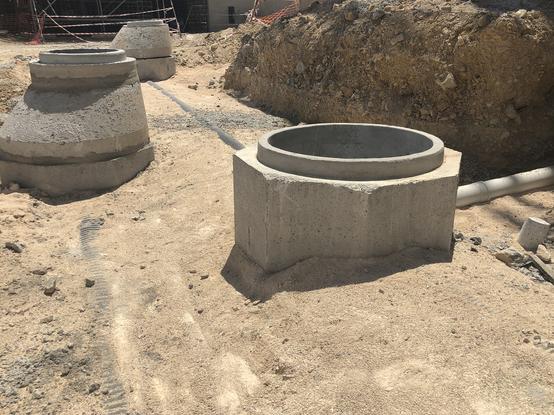
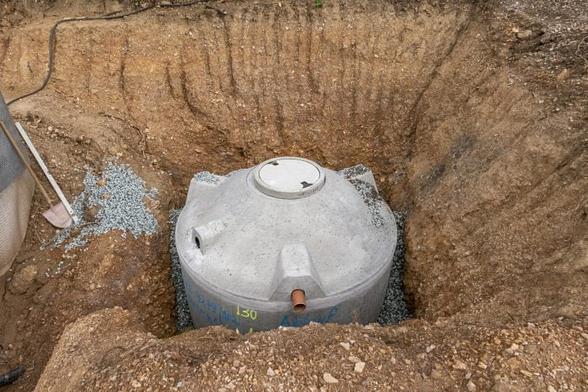
A cistern is a reservoir for collecting rainwater for household or garden use.

What is a water cistern? Cisterns collect and store rainwater, allowing individuals to reuse the water for household, gardening, and other uses. How does a cistern work? While that can vary between one system and the next, the general idea is the same. When it rains, rainwater is directed through pipes to the cistern tank. Leaves, dirt, and other debris are stopped by mesh screens in the pipes, ensuring that the water that reaches the tank is as contaminant-free as possible.

Nearly all cistern tanks are installed underground. This is the ideal storage location because temperatures stay more consistent and the water and tank are protected against pests and animals."

Lear more:
https://www.bobvila.com/articles/what-is-a-cistern/

#SolarPunkSunday #AncientTechnology
#ModernAdaptations #WaterIsLife #RainwaterCollection #RainwaterCisterns
#BobVila

Solved! What Is a Cistern?

If you want a home with a water cistern or are thinking of having one installed, we'll explain what a cistern is and how they save on water usage.

Bob Vila

#Cistern #WaterSystems: How They Work and Why They’re Useful

By Robert Maxwell
Updated on Sep. 26, 2025

"Has your interest in alternative water systems made you ask, what is a cistern? Read on to learn about this ancient way to store and supply water.

The basic idea of a cistern water system, which collects and stores water in or near a home, goes back centuries. In some parts of #WesternAsia, archeologists discovered lime plaster cisterns in the floors of houses that were at least 5,000 years old. Ancient #Romans also used cisterns beneath their houses to catch, filter and store #rainwater.

A cistern is a closed tank, somewhat like a septic tank, but the similarities end there. Instead of sewage, it collects rainwater for household use or irrigation. A home with a well might have a large tank to store water to prevent the well pump from having to work all the time. In some cases, you could consider that tank a cistern, but according to longtime plumber Danny Pen, most cisterns are buried."

Read more:
https://www.familyhandyman.com/article/what-is-a-cistern-water-system/

#SolarPunkSunday #AncientTechnology #ModernAdaptations #Cistern #WaterIsLife #RainwaterCollection #RainwaterCisterns

Cistern Water Systems: How They Work and Why They’re Useful

Has your interest in alternative water systems made you ask, what is a cistern? Read on to learn about this ancient way to store and supply water.

Family Handyman

The Crane Estate in #IpswichMA, which is on a hill, used a cistern system to collect and store rainwater for the entire household and their gardens!

#ThisOldHouse - What Is a #Cistern?

A cistern is a water storage system used in homes and landscapes. Learn how they work and when you might need one.

updated 6/25/2025

"A cistern is an underground tank that captures and stores rainwater that you can use for irrigation, emergencies, or daily water needs. Cisterns are especially helpful in areas with unreliable or expensive municipal water systems. We’ll explore the different types of cisterns, describe the benefits each offers, and explain how cisterns differ from wells in the guide below.

Definition of a Cistern

A cistern is a watertight tank that collects and stores water for later use and is typically made of reinforced concrete, cinder block, precast concrete, fiberglass, and steel. Your home’s gutters and downspouts usually funnel rainwater into your cistern, and you can use that water as a supplemental supply, an emergency supply, or for irrigation. Cisterns can also hold groundwater, household greywater, spring water, well water, or treated city water.

Professionals can install cisterns above ground, underground, or into building structures. Burying cisterns underground might be the best option, though, as underground cisterns keep water cool during warm months and prevent it from freezing during colder weather.

Cisterns intended for domestic use typically hold at least 5,000 gallons, but sizes and setups vary according to homeowners’ needs."

Learn more:
https://www.thisoldhouse.com/plumbing/what-is-a-cistern

#SolarPunkSunday #AncientTechnology #ModernAdaptations #WaterIsLife #RainwaterCollection #RainwaterCisterns

What Is a Cistern?

A cistern collects and stores rainwater for irrigation, drinking, or other uses. Learn more about what a cistern is and how it could benefit you.

This Old House