 Richard Penner
On the same day as the White House Correspondents’ Dinner, the Helluva Boss NSFW short “Barbie’s Bad Day” was released. Then the FBI and DOJ pivoted to indicting Comey for an Instagram post because, according to Trump, mob folk in the movies once used "86" as code for murder. The bare-bones indictment certainly didn't disclose that Comey deleted the post, said he had no idea a 1930s diner code still in daily use today had violent implications, or “apologized” (citation required!) — claimed facts Kash Patel went ahead and described at his press conference, apparently violating grand jury secrecy in the process.
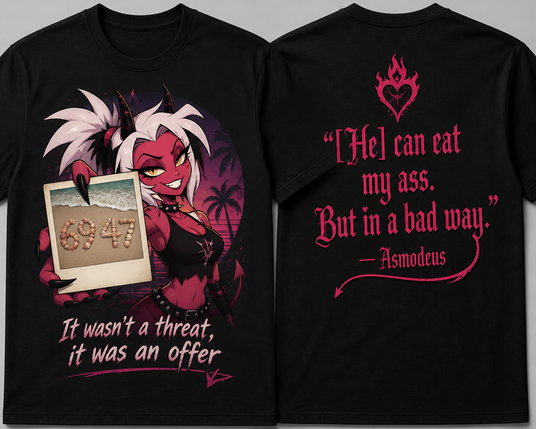
So while AG Blanche tries to dig himself out of the hole of vindictive prosecution and to wrestle with the “true threat” standard of Elonis v. US (2015); US v. White, (4th Cir. 2016); and Counterman v. Colorado (2023), let’s look at the following AI slop.
• Quotes are from “Barbie’s Bad Day” and "Mammon's Magnificent Musical Mid-Season Special (ft Fizzarolli)"
• I know the difference between Barbie Wire and some generic Verosika/Imp/Hot Topic girl — this is AI slop, not the work of a talented artist
• Obsessive fans will know the actual Asmodeus quote is “Mammon can eat my ass. In a bad way.” but the “but” is necessary to capture the duality of meaning to the average person on the street.
• And duality of meaning is just one of the many, many reasons this Comey indictment needs to be mocked rather than being respected as administration of justice.
#JamesComey #DonaldTrump #CriminalIndictment #Indictment #TrueThreat #Law #GrandJury #KashPatel #ToddBlanche #HelluvaBoss #HotTopic
 Deadline
 Political IQ
 Caroline Mala Corbin