 ThreeDollarBill
#Triticum, #wheat, ripe wheat field
#agriculture #drain #flowers #horticulture #photography #bloomscrolling #botany
#agriculture #drain #flowers #horticulture #photography #bloomscrolling #botany


Abstract γ-Aminobutyric acid (GABA) is one of the key stress metabolites involved in the functioning of the plant cell signaling network. However, its functional relationships with main signaling molecules, particularly nitric oxide (NO), are not well understood. This study aimed to determine NO’s involvement in GABA’s stress-protective effect on wheat seedlings (Triticum aestivum L., Etana cultivar) under model drought conditions (13% PEG 6000). Priming grains with a 0.5 mM GABA solution or a 0.1 mM solution of the NO donor sodium nitroprusside (SNP) increased germination energy, seed germination, and water content in seedlings under stressful conditions. Additionally, GABA and SNP treatment mitigated the inhibitory effect of drought on the accumulation of root and shoot biomass. Osmotic stress increased NO content in shoots, and priming with GABA and SNP enhanced this effect. Treatment with the nitric oxide scavenger methylene blue (MB, 0.1 mM) eliminated the increase in NO content caused by stress or GABA action. MB also negated the positive effects of GABA on growth processes. Under the action of GABA and SNP, total amylase activity in grains and soluble carbohydrate content in shoots increased under stressful conditions; MB eliminated GABA’s effect on these parameters. Under the model drought, the content of oxidative stress markers (superoxide anion radical, hydrogen peroxide, and malondialdehyde) increased in shoots, but pretreatment of grains with GABA or SNP significantly reduced these effects. Osmotic stress caused an increase in activity of catalase and guaiacol peroxidase in shoots. Preliminary priming with GABA, SNP, and MB did not affect the nature of the changes in activity of these antioxidant enzymes caused by model drought. Meanwhile, superoxide dismutase activity remained unchanged following exposure to the model drought; however, pretreatment seeds with GABA, SNP, and MB increased the enzyme activity. Priming seeds with GABA and SNP increased the total content of phenolic compounds in shoots and preserved the anthocyanin pool under stressful conditions, while MB treatment eliminated these effects. It was concluded that the enhancement of grain germination and seedling growth induced by GABA priming under model drought conditions is largely due to NO-mediated modulation of carbohydrate and secondary compound metabolism.

Abstract A special feature of the major gliadin loci in wheat is multiple allelism. Catalogs of gliadin blocks encoded by alleles at the gliadin loci in bread wheat were compiled and are regularly updated. When analyzing gliadin patterns of Ukrainian bread wheat varieties and F2 seeds, the authors identified new alleles at the Gli-A1, Gli-B1, and Gli-A3 loci that had not been previously described in the literature. Gliadin blocks encoded by alleles at the Gli-D1 locus that were described previously but are absent in the latest published catalogues are also presented. Acid polyacrylamide gel electrophoresis of gliadins was performed by the procedure developed by the authors. New alleles were given temporary designations. At the Gli-B1 locus, new alleles of recombinant origin, Gli-B1fg* and Gli-B1eg*, and of mutant origin, Gli-B1ba*, were identified, and alleles of introgressive origin were also detected: Gli-B1xm* (also identified in T. dicoccum accessions), Gli-B1bl* (Gli-B1b with two linked genes, probably from Ae. variabilis, according to the variety Lastivka Odeska pedigree), and Gli-B1wb* (1BL.1RS with a block of ω-secalins as in the variety Amigo). The patterns of Gli-D1 alleles that are not present in the published catalogue of gliadin alleles are also given: Gli-D1ct* from Ae. tauschii and Gli-D1x, apparently of mutant origin, corresponding to the GLD 1D10 block, which was previously identified in some Odessa varieties, in particular Olvia and Prokofievka. At Gli-A1, two new alleles, Gli-A1ag* and Gli-A1ah*, were identified, which were formed via combination with certain alleles at the minor locus Gli-A6. The allele Gli-A3e, which encodes two ω-gliadins, was identified at the minor locus Gli-A3. This allele, which is widespread among spring bread wheat varieties, seems to be extant as it was also identified in T. dicoccum.
Wild flowers of Palestine. Tares and wheat (Lol. tem. L., Triticuum vulgare Vill) [approximately 1900 to 1920]
American Colony (Jerusalem). Photo Department
1 transparency : film, color ; 4 x 5 in. or smaller.
#Palestine #Triticuum #Jerusalem #PhotoDepartment #EHLoener #Triticum #fiveinches #color #filmtransparencies #photography


Abstract For the first time, the growth parameters and the amount of calose accumulated in the seedlings of winter soft wheat (Triticum aestivum L.) variety Renan were determined under irradiation with ultraviolet B in the dose range of 0.1–10 kJ/m2. The differences in growth parameters of control and UV-B-irradiated winter wheat plants were analyzed. The inhibitory effect of UV-B irradiation on the growth of experimental plants in comparison with control plants was noted, which is associated with the morphological and physiological features of the induced accumulation of callose in the cells of winter wheat seedlings. The growth performance of irradiated plants within 5 days was lower than that of the control plants, whose growth averaged 1.6 cm per day, and the lowest at a dose of 10 kJ/m2. The results of constitutive and induced accumulation of callose as a primary protective barrier in the immune response reactions, which leads to increased resistance of wheat plants of Renan variety to abiotic stress, were analyzed.
Puccinia triticina ex Triticum aestivale
#Pucciniatriticina #Puccinia #rust #rost #rostpilz #rustfungus #Triticumaestivale #Triticum #Weichweizen #Weizen #wheat #Blé #trigo #mushroom #mushrooms #fungus #fungi #pilz #pilze #champignons #champignon #nature #natur #FungiFriends #Phytopathology
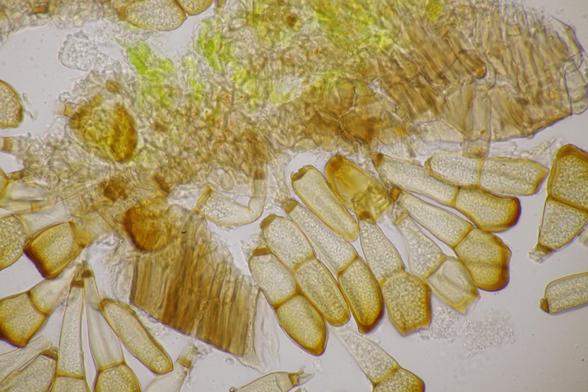
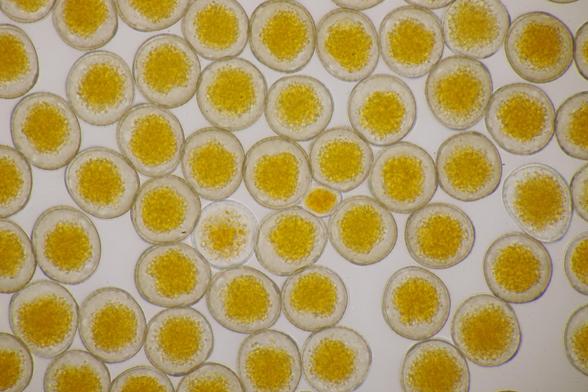
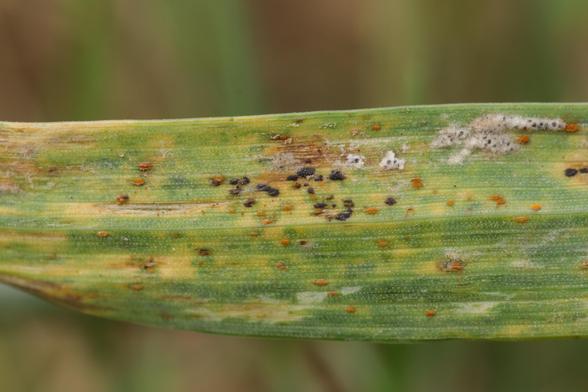
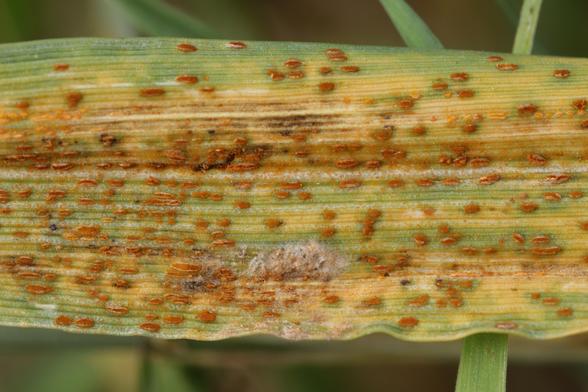
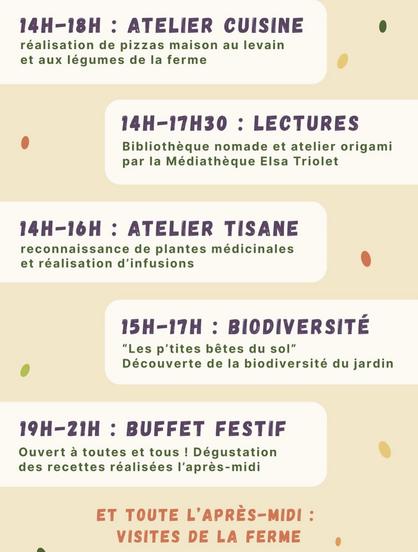
Je partage l'info par ici, si jamais ça intéresse des gens
Lien Facebook : https://www.facebook.com/events/23870998129221658/

Unlocking #barley's potential: Female #fertility #protein could secure future yields.
#hordeum #triticum #wheat #MADS31 #gene_expression #ovules #food-security #agriculture
https://phys.org/news/2025-03-barley-potential-female-fertility-protein.html
 Cytology and Genetics
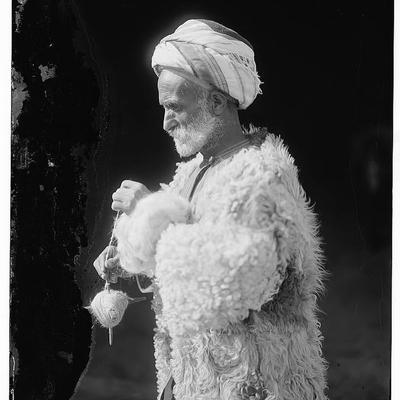 Matson Collection
 Lau
Lau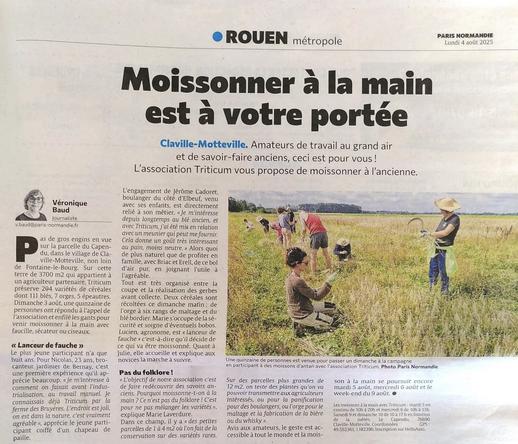
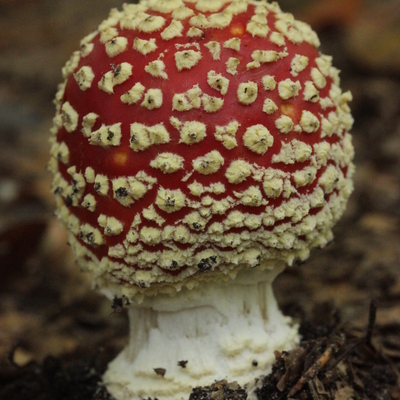 Ruhrpott-Pilze
 lorien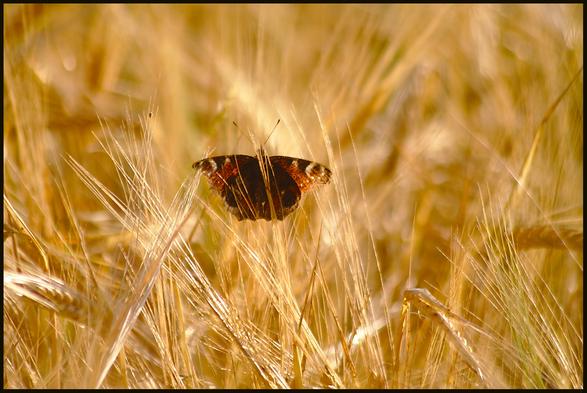
 CellBioNews