 Rob Bignell, Editor/Author
#writingtip #writingtips #BraveWrite #amwriting #writingcommunity #tipsforwriters inventingrealityediting.com/2...
Three potential ways to end yo...
Three potential ways to end yo...
What’s Left To Do?
Are you finally wrapping up that book and tying up all the loose ends? I know for me, right now, it’s checking pages to make sure they match the subject. Double-checking paragraphs, spelling, punctuation and page count. While subjugating all of these projects simultaneously here is a last-minute list for finishing the book…Good luck with that!
Before you hit publish or send your manuscript off to print, take one more slow read-through. Not a rushed skim, but an honest final pass. This is usually where small mistakes start flailing their arms for attention. A missing quotation mark, a repeated sentence, a character name spelled two different ways. Don’t forget— it’s the tiny details that matter more than we think.
Make sure chapter titles are consistent, fonts match throughout the manuscript, and spacing looks clean and professional. Readers may not notice good formatting, but they absolutely notice bad formatting. If your book includes page numbers, a table of contents, references, or images, now is the time to verify every single one.
Don’t forget the cover and back-cover description either. Sometimes we spend months or years writing the story and only a few hours creating the sales pitch. That short summary on the back of the book, or blurb, as it is often called–is the first impression readers get, so make it count. Keep it clear, engaging, and spoiler-free.
Another important part of this process is reading portions aloud. It may sound a little crazy, but hearing the words helps catch awkward phrasing and overly long sentences. Your ears often notice what your eyes skip over. That always seems to amaze me—Don’t ask!
If possible, ask someone else, who enjoys reading, to give the manuscript one final look over. A fresh pair of eyes can uncover mistakes you’ve become blind to after staring at the same pages for so long. Even one trusted reader can make a huge difference.
And finally, exhale. Finishing a book is an accomplishment many people dream about but never complete. Whether this is your first project or your tenth, reaching the final stage deserves recognition. The editing, revising, second-guessing, coffee-fueled nights, and endless corrections are all part of the process.
At some point, you’ll just have to let the book go. It will never feel one hundred percent perfect, and that’s okay. Done is sometimes better than endless delays. Celebrate the finish line, learn from the experience, and then start thinking about the next story waiting to be written.
Now that it’s time to party…Hit those keys more hardy! Thank you for your continued readership and support. Have a blessed new week!
© Rhema International 2026. Unauthorized use and/or duplication of this material without express and written permission from this blog’s author and/or owner is strictly prohibited. Excerpts and links may be used, provided that full and clear credit is given to Rhema Internation
#CreativeWriting #TipsForWriters #WritingFormulas #WritingInspirations #academicWriting #Books #ChristianAuthors #Editing #education #fiction #Hamlet #publishing #WhatSLeftToDo #Writer #WriterSTips #writers #Writing #WritingTips

Down Shakespearean Halls
When you step into Shakespeare’s world, it’s not just old words and dusty candlelight. The place feels alive. You can hear the tension, the emotional fireworks, and you see all kinds of human mess practically laid out on stage. Even after four hundred years, writers still roam those halls, trying to capture some of that magic for themselves. Whether they’re writing the next bestselling novel, a screenplay, poems, or just clever posts for social media.
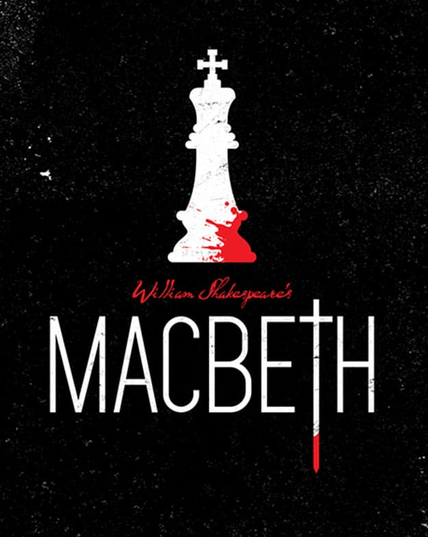
Shakespeare gets people. His characters aren’t stuck in distant history with fancy language; they have ambitions that spiral out of control, jealousy that eats them up, love that happens way too fast, and fears that sneak up on them. Macbeth wants power so badly it destroys him, Hamlet can’t make up his mind, Juliet falls in love in a blink and pays the price. Modern stories do the same thing, just in different settings. The heart-thumping emotions — those are pure Shakespeare.
Then there’s his dialogue. Shakespeare had this knack for writing lines that sound poetic and real at the same time. You remember his words because they took ordinary speech and made it sing, but without losing the grit. Writers today are still chasing that balance. They want conversations to feel true, but with a little extra snap or style. Every time you hear a line in a TV drama or read a passage in a novel that sticks with you, there’s a bit of Shakespeare lurking underneath.
He also made his characters complicated — not just cardboard heroes or villains. Almost nobody in his plays is all good or all bad. That mix is key in modern writing. Readers and viewers want characters who struggle, who make mistakes, who aren’t squeaky clean. The antihero? Shakespeare had it figured out ages ago.
What really made him stand out was his willingness to take risks. He blended genres, messed with structure, made up words, and just did whatever felt right for the story. Now, writers working in digital platforms, streaming series, interactive games face the same kind of wild territory. Shakespeare’s lesson? Don’t play it safe. Push the borders and see what happens.
Following in Shakespeare’s footsteps doesn’t mean copying his style. Nobody needs to write in verse or dream up speeches about castles and ghosts. What matters is the guts he had, that urge to tell the truth about people. That’s what sticks, no matter how much the world changes, or how many trends come and go.
Those old halls are still open — anyone trying to say something real about people and imagination can walk right in.
Okay all of you bards and bardettes…Get back to those darn keys! Thank you so much for your continued readership and support. Until next week…Blessings and Peace!
© Rhema International 2026. Unauthorized use and/or duplication of this material without express and written permission from this blog’s author and/or owner is strictly prohibited. Excerpts and links may be used, provided that full and clear credit is given to Rhema Internation
#WritingFormulas #WritingInspirations #academicWriting #Books #ChristianAuthors #DowmShakespereanHalls #Editing #education #fiction #Hamlet #Macbeth #publishing #reativeWriting #TipsForWriters #VanGogh #Writer #WriterSTips #writers #Writing #WritingTips

Creativity’s Healing Power
I was scrolling through a friend’s blog and hit this line that just stopped me cold: “Art is to console those who are broken by life.” Van Gogh really nailed it, didn’t he?
Maybe you’re painting. Maybe you’re carving out a poem that barely makes sense or typing up a story while the world sleeps. Doesn’t matter in the slightest. Sometimes creativity sneaks up on you and hands you something to grip, right when you didn’t even know you needed it.
Writers totally get this. There’s so much silence, so much just staring at the wall and rummaging through your own thoughts. Most days, you wonder if anyone else will even care about what you’re tossing out there. You spill these weird, honest bits of yourself on the page, throw them out like breadcrumbs, hoping somebody picks one up. That risk makes it real. The words take off—no telling where they’ll land—sometimes right where they’re needed most, and you’ll probably never find out.
Stories pull us together. Whether you’re writing about heartbreak, joy, panic—when you hit a clean, true line, it’s like someone just reached across the distance and handed you their hand. Sometimes a story gives you shelter—a safe little corner—both for the reader and, honestly, for the writer too.
It’s not just what gets read. Writers get something back. Wrestling a heap of confusing feelings into a paragraph—something happens. You face stuff you’ve been sidestepping for years. Now and then, you spot something about yourself you hadn’t seen before. Blank pages aren’t just mirrors; they’re windows. Sometimes you catch a glimpse of yourself, sometimes someone else. You always walk away changed, even if only a little.
That’s what writing really is. We patch together all our weird, messy pieces into this massive quilt about what it feels like to live. Every poem, essay, even the stuff you hate—yep, it still matters. Some parts shout, some barely breathe, but every stitch adds something.
So just keep at it. Write when it feels like breathing, and especially when it doesn’t. You honestly never know—someone out there could be waiting for your exact words.
Art was never about getting everything right. At its root, it’s about making contact. Every time it happens, even fleetingly, there’s relief, understanding, and always—just a flicker of hope.
Since you’ve gotten another puzzle piece for your creative jig-saw—Put it all together with those darn keys! Until next week—Blessings and Peace!
© Rhema International 2026. Unauthorized use and/or duplication of this material without express and written permission from this blog’s author and/or owner is strictly prohibited. Excerpts and links may be used, provided that full and clear credit is given to Rhema Internation
#TipsForWriters #WritingFormulas #WritingInspirations #academicWriting #Books #ChristianAuthors #CreativitySHealingPower #Editing #education #fiction #publishing #reativeWriting #VanGogh #Writer #WriterSTips #writers #Writing #WritingTips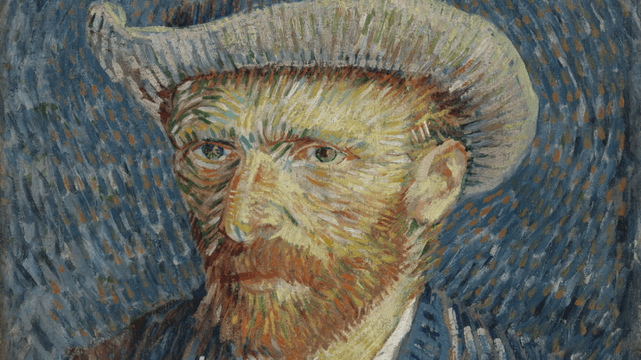
Exploring the Boundless Creativity of the Mind
In the silence of my mind words and phrases run rampantly as though on a super highway of thought. Exuberant are the many ideas that insight my vocabulary palate. Yet I am somehow aloof to how unmanageable this authoric predator lurking inside of me is, by just randomly giving suggestive ideas that come from seemingly nowhere. And the dots have to be connected in order to be deemed digestable to the reader. Help!
In case you’re wondering, this is not the ravings of a deranged person, just my waking thoughts. While simultaneously writing a poem for the Poetry Corner. This mental multi-tasking as I back away and observe—puts me in a place of mysterious wonderment.
How amazing is the creative mind — it can be on an exotic escavation in Egypt while trying to runaway from the everyday madness we call life, into another rabbit hole of mystery that is yet to be discovered.
In my short analysis, I have come to find that creativeness has no limits. No matter the realm you are in. Boundless, beautiful, and bountiful; rather intentional or not, is what keeps the real writer moving along with pen in hand.
Now that you’ve gotten some more power to propel…Get back to those darn keys and create! Until next week…Blessings and Peace!
© Rhema International 2026. Unauthorized use and/or duplication of this material without express and written permission from this blog’s author and/or owner is strictly prohibited. Excerpts and links may be used, provided that full and clear credit is given to Rhema International
#TipsForWriters #WritingFormulas #WritingInspirations #academicWriting #Books #ChristianAuthors #Editing #education #ExploringTheBoundlessCreativityOfTheMind #fiction #publishing #reativeWriting #Writer #WriterSTips #writers #Writing #WritingTips


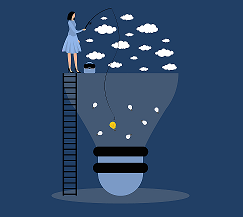
Where Is Clarity?
Clarity is the writer’s compass. When ideas feel fuzzy or the page resists, clarity helps you find a direct path from thought to reader. Here’s a practical process to clear the fog and write with purpose.
Start with one clear question. Before you type, ask: “What do I want this piece to do?” Are you explaining, persuading, storytelling, or documenting? Narrowing the aim to a single outcome focuses every sentence that follows. Write that outcome in one sentence and keep it visible while drafting.
Define your audience. Clarity depends on knowing who will read you and what they already know. Describe your ideal reader in one line—age, profession, needs—and imagine you are explaining the topic to that person. That constraint prevents vague generalities and keeps examples relevant.
Use a skeleton outline. Break the piece into three to five parts: lead, development points, and ending. Jot one-line headings for each section. Outlines act like scaffolding—light enough to encourage flow, strong enough to stop you from wandering. If a section grows off-course, return to its heading and ask how it serves your single outcome.
Freewrite for ideas, then edit for clarity. Set a five- to fifteen-minute timer and write without censoring. This produces raw material and unexpected phrasing. Once you have text, switch into editing mode: cut redundancies, simplify complex sentences, and replace jargon with concrete words. Clarity often emerges by subtraction.
Use short sentences and active verbs. Long, nested clauses and passive constructions diffuse meaning. Aim for varied sentence length but favor concise structures when making key points. Replace “is able to” with “can,” and “due to the fact that” with “because.”
Read aloud and reverse outline. Reading aloud reveals awkward rhythms and unclear transitions. After a draft, create a reverse outline: summarize each paragraph in a single phrase. If those summaries don’t progress logically toward your outcome, reorder or cut paragraphs until they do.
Seek focused feedback. Ask a reader one targeted question: “What’s the main takeaway?” or “Which part confused you?” Broad comments are less useful. Use feedback to refine messaging, not to second-guess your voice.
Always build clarity into your routine. Short daily practice—micro-outlines, single-paragraph explanations of complex ideas, or editing sprints—sharpens the skill. Clarity isn’t a one-time fix; it’s a habit.Clarity makes writing usable. With a clear purpose, a defined audience, a light outline, freewriting paired with ruthless editing, and specific feedback, your ideas will land where they matter.
Thank you so much for your support and your continued readership. Have a blessed new week!
© Rhema International 2026. Unauthorized use and/or duplication of this material without express and written permission from this blog’s author and/or owner is strictly prohibited. Excerpts and links may be used, provided that full and clear credit is given to Rhema International
#WritingInspirations #Books #ChristianAuthors #Editing #fiction #publishing #reativeWriting #TipsForWriters #WhereIsClarity #Writer #WriterSTips #writers #Writing #WritingFormulas #WritingTips


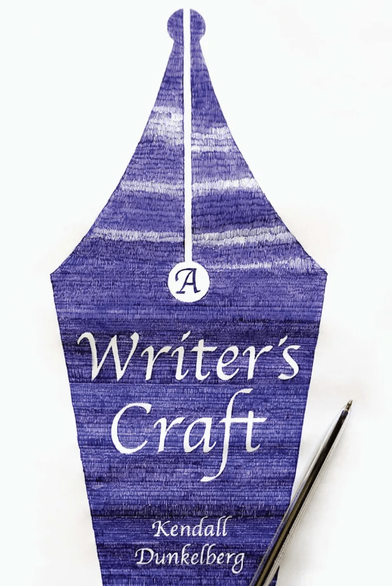
Craft Notes For Writers
Craft notes for people who write are like quiet conversations between one writer and another—small, focused observations about how writing actually works. Unlike big, abstract rules (“show, don’t tell”), craft notes zoom in on specific choices: how a sentence moves, why a detail matters, or what makes dialogue feel real. They’re practical, often brief, and rooted in experience rather than theory.
One of the most useful aspects of craft notes is their attention to detail. A writer might point out how changing a single verb can sharpen an image, or how rearranging a sentence can shift its emphasis. These insights remind us that writing isn’t just about ideas—it’s about execution. The difference between a flat paragraph and a vivid one often comes down to rhythm, word choice, and structure.
Craft notes also help writers become better readers. When you learn to notice how a scene is built or how tension is maintained, you start to see writing as a series of deliberate decisions. This awareness can be empowering. Instead of feeling stuck or blocked, you can diagnose problems more clearly: maybe the pacing is off, the point of view is inconsistent, or the stakes aren’t clear.
Another key feature of craft notes is their flexibility. They don’t demand strict adherence; instead, they offer possibilities. A note about cutting unnecessary adverbs isn’t a rule to follow blindly—it’s an invitation to question whether each word earns its place. This mindset encourages experimentation and growth rather than perfection.
Importantly, craft notes often reflect the individuality of the writer sharing them. What works for one person may not work for another, and that’s okay. The goal isn’t to imitate but to adapt—to take what resonates and leave what doesn’t.
For people who write, craft notes are both tools and companions. They provide guidance without rigidity, helping writers refine their voice while staying open to discovery. Over time, these small lessons accumulate, shaping not just better writing, but a deeper understanding of the craft itself.
Thank you so much for your support and your continued readership. Have a blessed new week!
© Rhema International 2026. Unauthorized use and/or duplication of this material without express and written permission from this blog’s author and/or owner is strictly prohibited. Excerpts and links may be used, provided that full and clear credit is given to Rhema International
#WritingFormulas #WritingInspirations #Books #ChristianAuthors #CraftNotesForWriters #Editing #fiction #publishing #reativeWriting #TipsForWriters #Writer #WriterSTips #writers #Writing #WritingTips


 Rhemalogy