One molecule could reverse aging, boost memory, and repair muscle
Imagine a pill that could slow aging, sharpen your memory, strengthen muscles, and reduce chronic inflammation. It sounds like science fiction, but scientists have discovered a molecule that could make this dream a reality. This molecule activates TERT, a key enzyme that protects DNA as we age. In lab tests, it didn’t just slow aging—it reversed many signs of it.

In studies with older models, six months of treatment with this TERT-activating compound (TAC) triggered new brain cell growth, improved genes related to memory, and reduced inflammation. It also cleared out damaged “zombie” cells, which are linked to aging, and restored muscle strength and coordination. In human cells, TAC helped cells divide longer by lowering DNA damage, essentially promoting healthier aging.

This breakthrough holds massive potential for age-related diseases like Alzheimer’s, Parkinson’s, heart disease, and cancer. While it’s still in the early stages, the possibility of reversing aging itself could soon be within our grasp.
The idea of stopping or even reversing the aging process is no longer just a fantasy. Thanks to this discovery, the future of medicine might be closer than we think.

Longevity & anti-aging
#Longevity #HealthyAging #ReversingAging #LifeExtension #AgeReversal

Molecular & cellular science
#TERT #Telomerase #CellularSenescence #MolecularBiology #DNARepair

Brain & muscle health
#Neurogenesis #BrainHealth #MuscleRegeneration #CognitiveHealth

Innovation & medicine
#MedicalBreakthrough #Biotech #RegenerativeMedicine #FutureOfMedicine

Scientists have achieved a groundbreaking advance in heart health and longevity. Researchers have identified a special version of the BPIFB4 gene, commonly found in people who live beyond 100 years, that can reverse the biological aging of the heart by more than a decade. This discovery could reshape how we approach heart disease and aging in the future.

In laboratory studies, elderly mice treated with this centenarian gene showed significant improvements in heart function, effectively rolling back the heart’s biological age by over 10 human years. Middle-aged mice also experienced a slower decline in heart performance after receiving the gene, indicating that early intervention could preserve heart health for longer periods.

The research team went further by applying the BPIFB4 gene to heart cells taken from patients with severe heart failure. Remarkably, these aged cells began functioning more like young, healthy cells. They demonstrated stronger blood vessel growth, improved pumping ability, and reduced signs of cellular aging.

Although still in preclinical stages, this breakthrough offers a powerful glimpse into future therapies that could rejuvenate aging hearts and prevent life-threatening cardiovascular conditions. By targeting the root cause of heart aging rather than just treating symptoms, this gene therapy approach could redefine how we combat heart disease and extend healthy lifespan.

Longevity & anti-aging
#Longevity #HealthyAging #ReversingAging #LifeExtension #Geroscience

Heart health & cardiology
#HeartHealth #Cardiology #CardiacRejuvenation #HeartResearch #HeartDisease

Genetics & biotech
#GeneTherapy #GeneticBreakthrough #BPIFB4 #Biotech #MolecularMedicine

General science & discovery
#MedicalBreakthrough #FutureOfMedicine #TranslationalResearch #CuttingEdgeScience

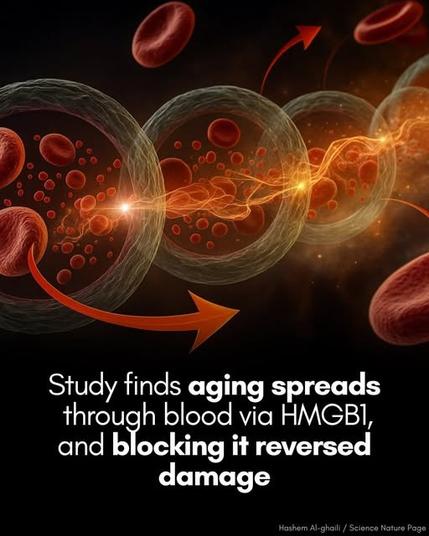
Scientists found a protein that carries "old age signals" through the body — and blocking it literally reversed the damage.

In a major breakthrough in aging research, scientists at Korea University’s College of Medicine have discovered that cellular aging can spread throughout the body via the bloodstream.

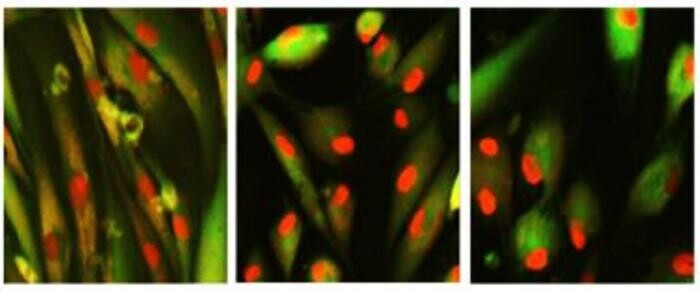
The culprit is ReHMGB1, a redox-sensitive version of a protein called HMGB1, which is secreted by aging, or senescent, cells. This protein was shown to trigger aging-like effects in distant, healthy tissues—reducing their ability to regenerate and harming muscle performance. In mouse models, researchers successfully blocked ReHMGB1 using antibodies, resulting in fewer signs of aging and improved recovery after injury.

This study, published in Metabolism – Clinical and Experimental, provides the first direct evidence that aging is not just a local cellular process but one that can be systemically transmitted through blood. By identifying ReHMGB1 as a key molecular messenger in this process, researchers now have a potential target for therapies aimed at slowing or even reversing age-related decline. The findings could have far-reaching implications for treating a range of conditions tied to aging, from muscle wasting to organ degeneration.

Source: Jeon, O. H., et al. (2025). Propagation of senescent phenotypes by extracellular HMGB1 is dependent on its redox state. Metabolism – Clinical and Experimental.

Longevity & aging research
#Longevity #AgingResearch #ReversingAging #HealthyAging #Senescence

Molecular & biomedical focus
#HMGB1 #ReHMGB1 #MolecularBiology #CellularSenescence #Biogerontology

Therapeutics & innovation
#AntiAging #RegenerativeMedicine #Biotech #TranslationalMedicine #FutureOfMedicine

General science & discovery
#MedicalBreakthrough #LifeSciences #CuttingEdgeScience #AgingScience

Unlocking a new frontier in the fight against aging and age-related diseases

Innovation Toronto