Frugal people say you don't need to be rich to buy these 15 life-simplifying 'luxuries'
https://fed.brid.gy/r/https://www.upworthy.com/15-life-changing-frugal-luxuries-ex1
Here is a graph, summarizing my amazing weekend. The legal threshold in Belgium (Walloon Region) is 40 dB(A) at night and 50 dB(A) during the day. Not a single moment of respite, calm or serenity. We no longer know what to do. It is driving us crazy.
The building to which these machines are attached is empty from 5 pm to 8 am, and at weekends. Yet the machines continue to run throughout the night, despite the absence of any occupants, exposing nearby residents to continuous noise well above the legal limits.
#nightmare #NoisePollution #PublicHealth #Wallonia #QualityOfLife
The happiness of your life depends upon the quality of your thoughts.
#Mindset #PositiveThinking #Happiness #Thoughts #Mindfulness #InnerPeace #QualityOfLife #Quotes #ShareInspireQuotes
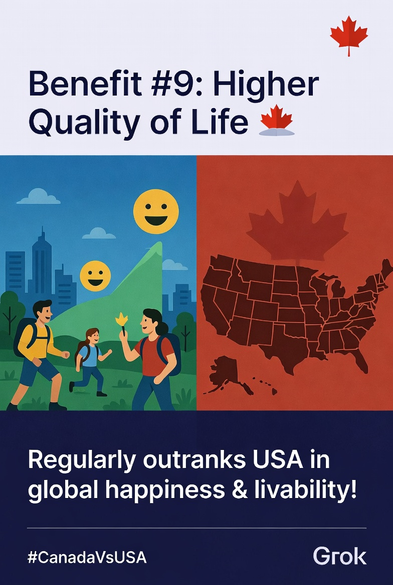
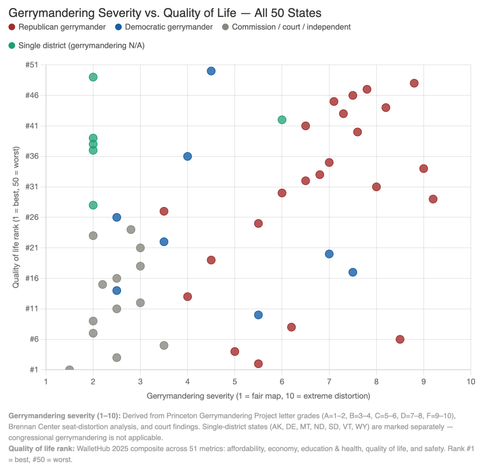
It's amazing how much the U.S. has dropped in quality-of-life rantings! And so many Americans have no idea that their idealized view of the U.S. is no longer valid.
Norwegian-Swedish study confirms a shorter work week improves quality of life, overall well-being, health (less sick leave) but also productivity.
Not something the German chancellor would like to hear. He wouldn’t want to make his rich fellows richer if us workers don’t get our fair share of suffering along with it.

I en ny svensk-norsk studie har elva arbetsplatser testat kortare arbetsvecka med goda resultat – deltagarna rapporterade bättre mående och ökad produktivitet. Forskarna betonar dock att mer forskning behövs för att kunna dra säkra slutsatser, och enligt Sveriges Kommuner och Regioner, SKR, skulle försöksupplägget inte vara genomförbart i stor skala. – Det riskerar att försämra arbetsmiljön, säger Jeanette Hedberg, förhandlingschef på SKR.

Background Approximately 450,000 older people reside in UK care homes, which is expected to almost double within 20 years. 3% of the UK population follow a plant-based diet (absent in all animal foods), 13% of whom are aged over 65. Plant-based meals are not mandatory to be offered in care homes, however, providing these meals could positively affect health, and ensure dignity of choice for those who already follow a plant-based diet. This review aims to explore contexts, mechanisms and outcomes that could influence the success of a plant-based meal study. Methodology A realist synthesis of the literature was used to develop initial programme theories. The stages of this synthesis was as follows: (1) Initial scoping. (2) Search for relevant evidence (3) Selection and appraisal of documents (4) Extract data. (5) Analysis and synthesis. Results From 36 articles, eight initial programme theories were constructed, taking the form of context-intervention-mechanism-outcome configurations. Contexts identified included willing, open and motivated staff, residents who desire greater variety, and meals that are appetising, easy to consume and nutritionally adequate. Intervention activities included training for chefs, nutrition education for staff and tasting sessions for residents. Cross-cutting mechanisms used across the initial programme theories included increased physical opportunity and increased psychological capability. Outcomes either related to beliefs about or participation in the study or improvements to resident wellbeing. Conclusion This realist synthesis addresses a gap in the literature relating to the provision of plant-based meals in care homes by exploring ways in which adherence and acceptability of plant-based meals can be enhanced amongst residents and staff. These findings will support the design of an empirical study where the gleaned initial programme theories will be tested in vivo. Additionally, the use of the realist synthesis presents a novel approach to designing complex nutrition interventions for specific contexts.