 Gaël Covain
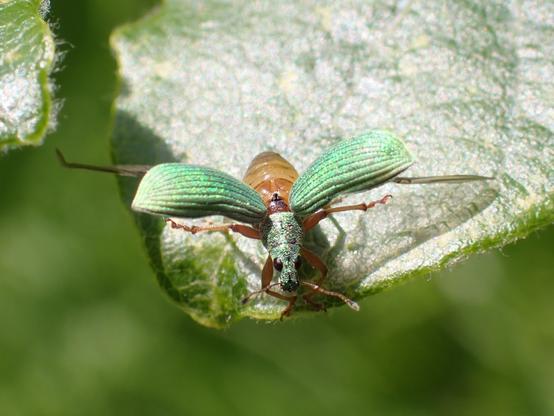
Charançon Vert Soyeux (Polydrusus formosus) mettant fin à la séance photo : train d'atterrissage central relevé, élytres ouvertes, ailes déployées : paré au décollage !
Citadelle de Lille, mai 2023
--------------------------------------------------
Polydrusus formosus ending the photo shoot : central landing gear raised, elytra opened, wings spread : ready for takeoff !
Citadelle de Lille, may 2023
#polydrususformosus #charançonvertsoyeux #polydrusus #curculionidae #weevils #snoutbeetles #trueweevils #citadelledelille #boisdeboulognelille #hautsdefrancenature #hautsdefrance #insectedefrance #insectesdefrance #insecte #insectes #nature
Citadelle de Lille, mai 2023
--------------------------------------------------
Polydrusus formosus ending the photo shoot : central landing gear raised, elytra opened, wings spread : ready for takeoff !
Citadelle de Lille, may 2023
#polydrususformosus #charançonvertsoyeux #polydrusus #curculionidae #weevils #snoutbeetles #trueweevils #citadelledelille #boisdeboulognelille #hautsdefrancenature #hautsdefrance #insectedefrance #insectesdefrance #insecte #insectes #nature
 ~meoralis~
 Marco de Booij
 Maikel de Bakker

 Jan Dirk Bol - ANTIFA 🔻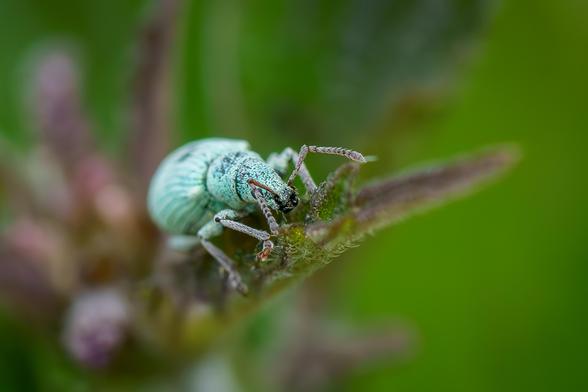
 Omilen
 Walter S.