friend: sends me a heartwarming video of wild sea turtles being lovingly warmed up at an aquarium in Texas after swimming in too-cold seawater

me, an asshole: you know that aquarium is funded by the oil industry, right

<checks> nodding, assholishly

#OilBeach #Texas #oil #petroleum #conservation #greenwashing

(Archive link: https://archive.ph/UXuV3 )

I didn't write as much as I could have about Terminal Island in my book #OilBeach. (I'm still following some research threads about it, would be more active were it not for fascism)

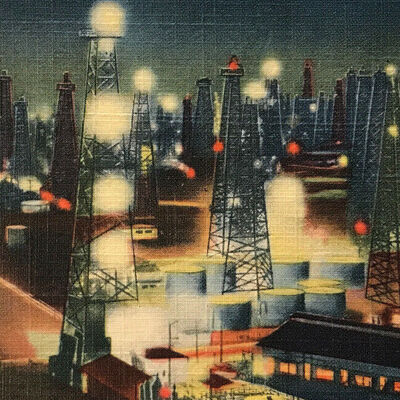
Two photos of the area discussed in the article do appear in the book tho:

1, This statue commemorating the Japanese fishing village, taken by me, 2021

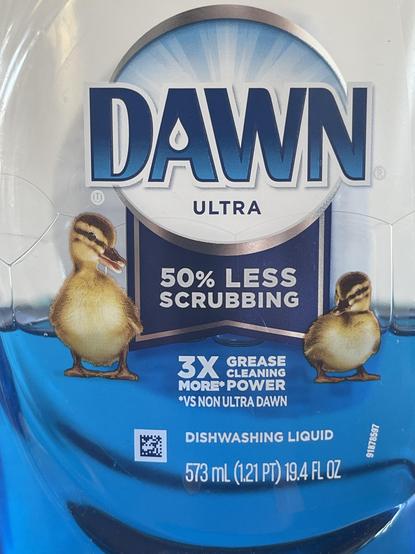
@SallyStrange An image that appears in #OilBeach. Dawn soap is, of course, a petroleum product itself, too
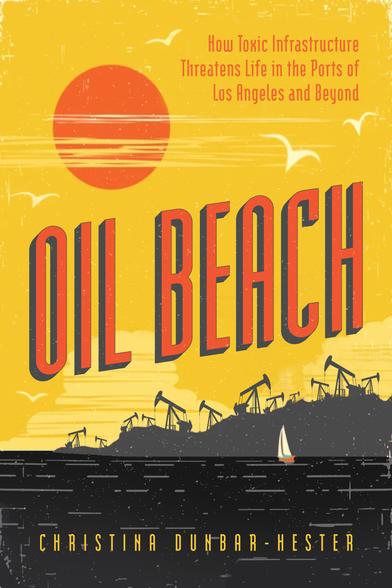
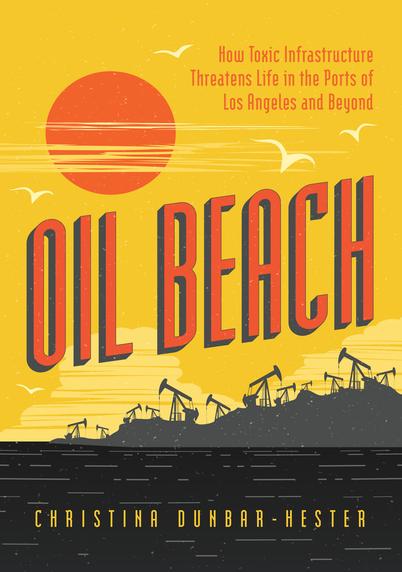
Part of what is wild about that snapshot, I guess, is that one of the original designs we considered for the #OilBeach cover had a tiny sailboat on it. I'd forgotten about it until today!

Anyway, this was all stuff I knew nothing about when I crash-landed in LA for work in 2016. My utter bewilderment & attempt to orient myself eventually culminated in a book, which came out last year.

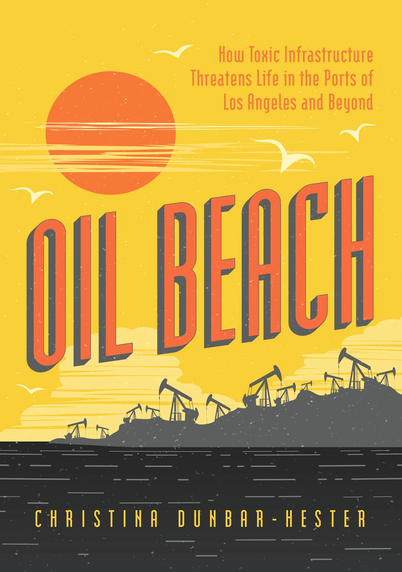
#ThinkingFromThinkingWith the geography here, #OilBeach is a peculiar natural history of the past half-century, focusing on seaport, ecology, & capital. Like this 🧵, also has a lot of pictures!
https://press.uchicago.edu/ucp/books/book/chicago/O/bo185167017.html

Oil Beach

Can the stories of bananas, whales, sea birds, and otters teach us to reconsider the seaport as a place of ecological violence, tied to oil, capital, and trade?   San Pedro Bay, which contains the contiguous Ports of Los Angeles and Long Beach, is a significant site for petroleum shipping and refining as well as one of the largest container shipping ports in the world—some forty percent of containerized imports to the United States pass through this so-called America’s Port. It is also ecologically rich. Built atop a land- and waterscape of vital importance to wildlife, the heavily industrialized Los Angeles Harbor contains estuarial wetlands, the LA River mouth, and a marine ecology where colder and warmer Pacific Ocean waters meet. In this compelling interdisciplinary investigation, award-winning author Christina Dunbar-Hester explores the complex relationships among commerce, empire, environment, and the nonhuman life forms of San Pedro Bay over the last fifty years—a period coinciding with the era of modern environmental regulation in the United States. The LA port complex is not simply a local site, Dunbar-Hester argues, but a node in a network that enables the continued expansion of capitalism, propelling trade as it drives the extraction of natural resources, labor violations, pollution, and other harms. Focusing specifically on cetaceans, bananas, sea birds, and otters whose lives are intertwined with the vitality of the port complex itself, Oil Beach reveals how logistics infrastructure threatens ecologies as it circulates goods and capital—and helps us to consider a future where the accumulation of life and the accumulation of capital are not in violent tension.

University of Chicago Press

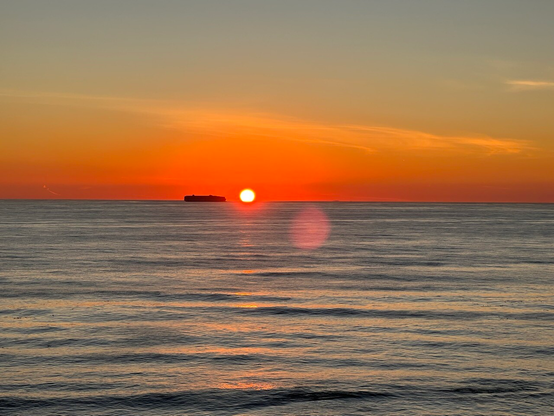
a #CargoShip on the horizon off #LosAngeles. ETA, my pic, December 2022

#ThinkingFromThinkingWith #OilBeach #supplyChain

"The #military has for years (unlike many politicians) acknowledged that climate change is real, creating conditions so extreme that some military officials fear future #climate wars. At the same time, the US DoD is largest single #energy consumer in the US and the world's largest institutional #GHG emitter."

(Anyone who's read the intro to #OilBeach will know that I took one of Crawford's earlier reports on this topic to heart!)
https://mitpress.mit.edu/9780262047487/the-pentagon-climate-change-and-war/

The Pentagon, Climate Change, and War

The military has for years (unlike many politicians) acknowledged that climate change is real, creating conditions so extreme that some military officials fe...

MIT Press

My book #OilBeach opens with a vignette about California's oversight of "orphaned" #oil wells. Sadly, per @ProPublica here, I called it pretty well:
https://www.propublica.org/article/california-oil-cleanup-law

#ToxicLA #pollution

California Isn’t Enforcing Its Strongest-in-the-Nation Oil Well Cleanup Law on Its Largest Oil Company

State regulators could have asked oil companies California Resources Corp. and Aera Energy for an estimated $2.4 billion to guarantee wells are plugged but decided they didn’t have the authority to do so.

ProPublica