 Axel Nennker
I had a great time Oauth Security Workshop 2026 in Leipzig. So many brilliant people.
#openid #oauth2 #wallet #credentials #osw2026
Current status back at home
I had a great time Oauth Security Workshop 2026 in Leipzig. So many brilliant people.
#openid #oauth2 #wallet #credentials #osw2026
Current status back at home
🚨 NEWS: Autenticazione Moderna nel 2025: Passkeys, WebAuthn, OAuth 2.0 ed Eliminazione delle Password Classiche
Ecco i punti chiave in breve:
💡 Il sistema di autenticazione basato su password è ormai riconosciuto come il principale anello debole della sicurezza informatica. Ogni anno milioni di credenziali vengono rubate tramite phishing, dat...
#webAuthn #passkeys #autenticazioneSenzaPassword #oAuth2.0 #fIDO2
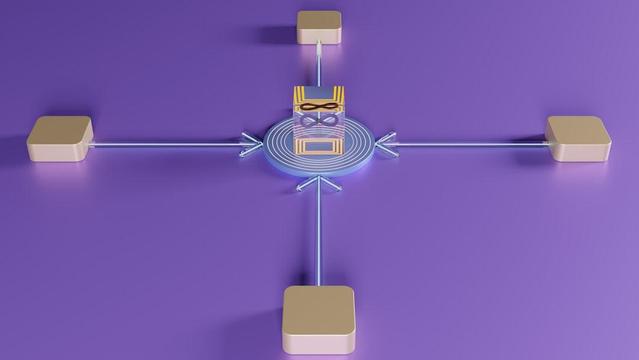
75–80% of enterprise deals stall on authentication. SSO, SCIM, MFA — here's when you need what, and which platform to choose at each growth stage.
Full details here: https://ostechnix.com/why-startups-need-smarter-authentication-before-they-scale/
For a project I am working on I am currently researching the three Open ID Connect (OIDC) flows:
* Authorization Code Flow is clear
* Implicit Flow is to be avoided due to the potential for leakage of tokens
... and then there is the Hybrid Flow. I understand how it works, i.e. the sequence of steps and their parameters, but no matter where I looked, I could not find a single example for an actual **use case** of the Hybrid Flow. Lots of explanations about how it works, but no mention of the "why".
When would I want to use the Hybrid Flow over the Authorization Code Flow? Or is this an instance of "you'll know it when you'll see it"?
Логин через Telegram по-новому: разбираем OIDC-флоу oauth.telegram.org и собираем его на Python
Telegram теперь полноценный OpenID-провайдер: oauth.telegram.org, JWKS, JWT, claims. Туториалы на GitHub при этом массово показывают старый виджет с HMAC от bot-token и /setdomain в BotFather. Я разобрался с новым флоу и собрал PoC на Python — рассказываю, как устроен обмен между фронтом, Telegram и бэком, чем Login library через telegram-login.js отличается от manual OIDC code flow с PKCE, что настраивать в BotFather (спойлер: не в чате, а в его mini-app), как протестировать локально через ngrok, и какая проверка id_token нужна вместо ручного HMAC.
https://habr.com/ru/articles/1033632/
#telegram #telegram_login #openid_connect #oidc #oauth2 #jwt #jwks #pyjwt #python #authentication
Я пилил пет-проект — небольшой бэкенд на Litestar — и хотел прикрутить к нему логин через Telegram. Открыл первый попавшийся туториал на GitHub: HMAC от bot-token, /setdomain в BotFather, голые поля...
Per-user OAuth для MCP-серверов: Keycloak, n8n и Telegram-бот через один Auth Proxy
MCP-серверы не умеют в авторизацию, n8n не умеет в per-user токены, а OAuth-клиенты говорят на разных диалектах. Рассказываем, как один Auth Proxy перед FastMCP Gateway закрыл все три проблемы — и почему в итоге бот переехал на LangGraph Архитектура, грабли и код
https://habr.com/ru/articles/1030302/
#MCP #OAuth2 #Keycloak #FastMCP #LangGraph #n8n #Telegramбот #peruser_авторизация #AIагент #Auth_Proxy
@tatsh Woo! mutt-oauth2 just made my day!
Previously a gent from MIT IS&T put in HEROIC amounts of effort to pull together the prior jank-fest of oauth2 scripts and mutt configurations...
But with your nice new package I can 'uv tool install', add the bits you specified to my muttrc and BOOM! I'm reading my MIT E-mail in a sane interface that doesn't make my remaining damaged eye want to shrivel up and retire :)
Thank you!
(Also just sent a Buy Me a Coffee :)
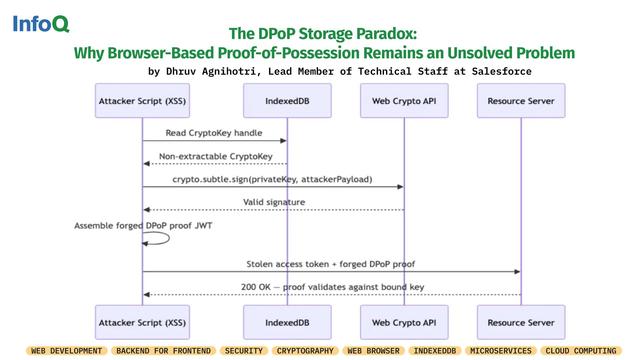
#DPoP closes a real gap in #OAuth2, but there’s a catch….
Sender-constrained tokens are a meaningful upgrade over bearer tokens, but they don't fully solve the challenge of browser key storage.
Check out the #InfoQ article by Dhruv Agnihotri for a deep dive: https://bit.ly/4w62YGA
 Meteora Web
 OSTechNix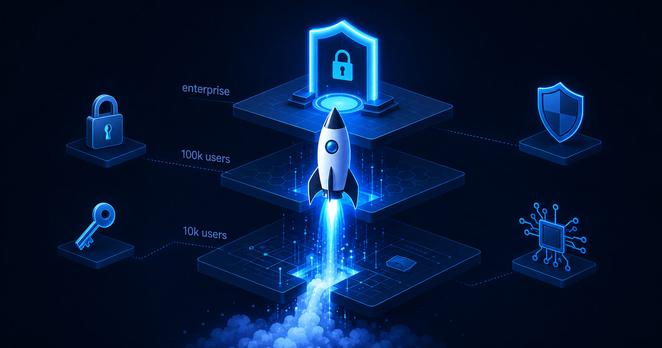
 Foojay.io
 Hardy Erlinger
 Habr
Habr Patrick
 Feoh
Feoh InfoQ
InfoQ