SWANSEA: Nearly £10m of public money spent training paramedics who are now being told to look for work abroad

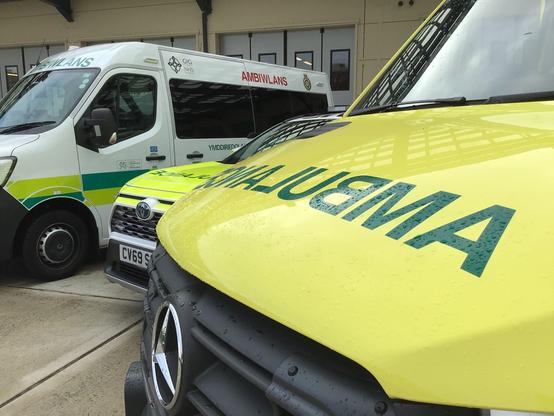
Paramedic students at Swansea University have been told they face no job prospects in Wales this year after the Welsh Ambulance Service confirmed a complete freeze on hiring newly qualified paramedics — with some students advised to seek work as far away as Canada, New Zealand and Australia.

Around 61 of the 67 students expected to graduate with paramedic science degrees this summer are based at Swansea University, with the remaining six at Wrexham University. Their training has been heavily subsidised by Healthcare Education and Improvement Wales, part of NHS Wales, with the cost per student estimated at around £150,000 — meaning the public bill for this year’s cohort runs to approximately £10 million.

Despite that investment, the Welsh Ambulance Service has told students there will be no newly qualified paramedic posts available to them in Wales this year, citing what it described as “financial and operational issues.”

One Swansea University student — who asked not to be named for fear of affecting his future employment — told the BBC he had been ringing ambulance services across the UK but found very few posts anywhere. He said he was hoping a paramedic job might be available for him in Canada.

Another student, Alice — not her real name — said she was devastated. “It’s an amazing career, it’s so unfortunate that we don’t have the opportunity to join it anymore,” she said.

A third, Alex — also not their real name — said they had fully intended to stay in Wales after qualifying. “I had full intention of working in Wales and serving the Welsh communities. None of us will have the opportunity to serve anywhere in Wales as a paramedic,” they said.

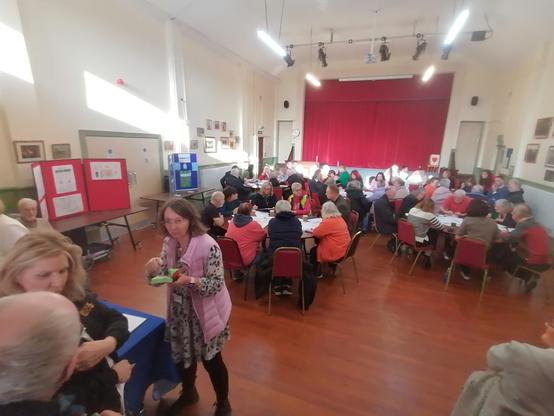
One student described the situation as “crazy and shortsighted.” Their training has included months of placements, sometimes more than 100 miles from home, across different parts of Wales.

As Swansea Bay News previously reported, this is not the first time the recruitment pipeline has broken down. Last year, only around 20 of 67 graduates were initially offered newly qualified paramedic posts, with some pushed into lower-banded Emergency Medical Technician roles instead. This year, the situation has deteriorated further — there are no paramedic posts at all.

Students also told the BBC that a pattern of “retire and return” — schemes that allow experienced paramedics to retire, access their pensions, and then be re-employed — has contributed to the workforce pressures blocking new entrants. A re-grading process within the service has also been cited as a factor.

Despite the bursary agreement that would normally require students to remain in Wales after qualifying, Healthcare Education and Improvement Wales has now released this year’s cohort from that obligation, effectively telling them they are free to seek work wherever they can find it.

Carl Kneeshaw, speaking for the Welsh Ambulance Service, acknowledged the impact on students. “We know this will be deeply disappointing for those hoping to start their careers with us, especially after the time, effort and commitment they have invested in their training,” he said. The service said it would encourage graduates to consider Emergency Medical Technician roles — which it expected to recruit to during 2026 — or posts with other ambulance services across the UK.

The Welsh Government said it was “working closely” with the ambulance service, Healthcare Education and Improvement Wales and the universities to address the challenges and support graduates. A Welsh Labour spokesperson said the party was “committed to ensuring the NHS in Wales has the staff it needs now and in the future.”

That response drew sharp criticism from across the political spectrum. Jane Dodds, leader of the Welsh Liberal Democrats, called it “a staggering waste of both talent and taxpayers’ money” at a time when ambulance response times remain far too long and patients are waiting in pain. Dr Gwyn Williams, Plaid Cymru’s candidate for Gŵyr Abertawe, pointed to the estimated £150,000 cost per student and said the situation amounted to “almost £10m being written off.”

The Welsh Conservatives described it as “a clear failure of workforce planning” that was “completely unacceptable.”

Swansea University said it had been made aware of the situation and its immediate focus was on supporting affected students. A university spokesperson said it was “liaising closely” with the ambulance service and Healthcare Education and Improvement Wales to understand the impact and explore any possible alternative solutions.

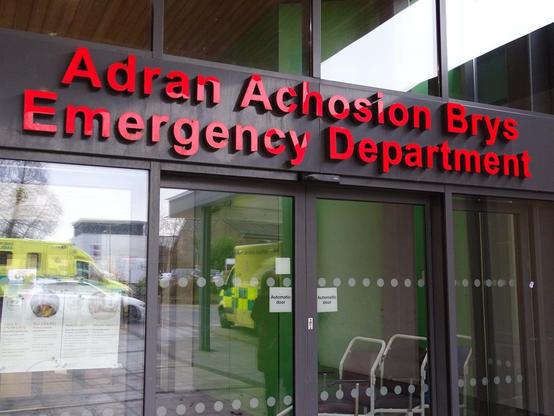
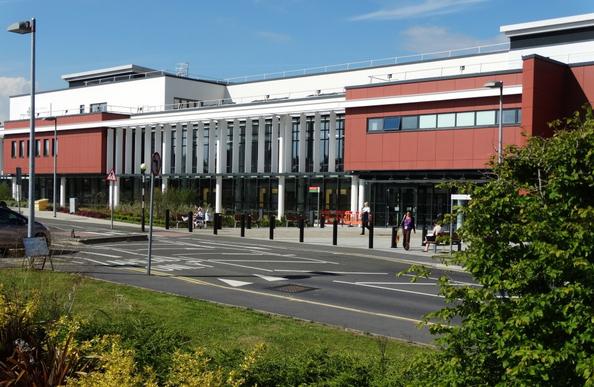
The freeze comes as NHS Wales continues to face serious pressure across emergency services. As Swansea Bay News has reported, Welsh A&E departments have been linked to nearly 1,000 deaths connected to excessive waiting times — with ambulance response times a key factor in the delays that lead to patients deteriorating before reaching hospital care.

For the students approaching the end of three years of demanding clinical training, the human cost of the situation is clear. They trained to serve Welsh communities in some of the most pressured and critical moments of people’s lives. For now, Wales is turning them away.

Related stories from Swansea Bay News

Welsh Government under pressure over paramedic recruitment shortfall
Last year’s warning that this was coming — when only 20 of 67 graduates were offered posts. This year, the number is zero.

A&E crisis: Nearly 1,000 deaths in Wales linked to 12-hour waits as calls grow for urgent action
The wider emergency care crisis that makes turning away newly qualified paramedics even harder to justify.

#featured #HealthcareEducationAndImprovementWales #HEIW #NHSWales #paramedic #paramedicRecruitment #retireAndReturn #SwanseaUniversity #WelshAmbulanceServiceTrust

A&E crisis: Nearly 1,000 deaths in Wales linked to 12-hour waits as calls grow for urgent action

New figures from the Royal College of Emergency Medicine reveal 965 deaths in 2025 were associated with long emergency department waits — an average of 18 people every week.

The total is up on the previous year, with doctors warning the scale of the crisis should send “shockwaves” through the political system.

“A matter of life and death”

Emergency medicine experts say the situation inside A&E departments has become critical.

Dr Rob Perry said many of those affected were among the most vulnerable patients — people already in need of urgent hospital care.

“Any number of avoidable deaths is a tragedy — that there were almost a thousand last year should send shockwaves,” he said.

“This is a matter of life and death.”

The report points to overcrowded hospitals, high bed occupancy and delays discharging patients as key drivers — leaving emergency departments gridlocked.t door” of emergency departments, but at the “back door” — where patients cannot be moved into wards quickly enough.

How delays are linked to deaths

The analysis suggests one death occurs for every 72 patients forced to wait 12 hours or more before being admitted.

Experts say tackling patient flow through hospitals — not just demand at the front door — is key to preventing further loss of life.

The College is now calling on all parties to commit to ending deaths associated with long waits by 2030.

Government: “Real progress” on waiting lists

The stark findings come just days after the Welsh Government published its latest NHS performance figures — highlighting improvements elsewhere in the system.

According to ministers:

  • The average waiting time for treatment has fallen to around 18 weeks
  • Waiting lists have dropped for eight months in a row
  • January saw a record monthly fall of 27,900 patients

Health Secretary Jeremy Miles said the figures showed “real, tangible progress”.

“Health boards are delivering more appointments and more operations… making sure people are seen and treated faster,” he said.

How delays are costing lives

The analysis uses a recognised measure suggesting one death occurs for every 72 patients forced to wait 12 hours or more.

That equates to hundreds of potentially avoidable deaths each year.

The College is now calling on all political parties to commit to ending deaths linked to long A&E waits by 2030, warning that failure to act will lead to more lives lost.

More operations — but pressure remains

The Welsh Government says the improvements have been driven by:

  • 187,000 extra outpatient appointments
  • A record 37,000 cataract operations
  • Additional £120 million funding

There have also been improvements in ambulance response times and hospital handovers.

But ministers acknowledge winter pressures remain high, with A&E departments recording one of their busiest periods on record.

Political pressure ramps up

The figures have prompted renewed criticism from the Welsh Conservatives.

Shadow Health Secretary Peter Fox said urgent action is needed.

“Every patient deserves timely care and no one should have to wait 12 hours or more,” he said.

“This data underlines the urgent need for strong, effective action.”

He reiterated calls to declare a health emergency to bring down waiting times and end corridor care.

Welsh Liberal Democrat Leader Jane Dodds MS put the blame firmly at an overstretched social care system.

“These figures are a national scandal. Nearly a thousand people dying after waiting over 12 hours in A&E reflects a system that is fundamentally broken and causing avoidable deaths. 

“For too long, the focus has been on the front door of hospitals, when the real crisis is at the back door. Patients cannot be discharged because social care is overstretched, beds remain blocked, and A&E departments become dangerously overcrowded.

“If we are serious about ending these avoidable deaths, the next Welsh Government must properly fund social care and take a whole-system approach to fixing patient flow and funding social care properly will be a red line in any negotiations we hold with other parties.”

Two pictures of the NHS

Together, the figures paint a complex picture of the Welsh NHS.

On one hand, waiting lists are falling and more patients are being treated.

On the other, emergency departments remain under severe pressure, with long waits continuing to be linked to hundreds of deaths each year.

With a Senedd election approaching, the challenge for politicians is clear — turning progress on paper into safer care on the frontline.

Related stories from Swansea Bay News

Hearing fear: Ammanford star Owain Wyn Evans warns “I was missing conversations”
Broadcaster opens up about health concerns and the impact on daily life.

West Wales warning: Meningitis outbreak sparks fears
Parents urged to stay alert as health officials respond to rising cases.

Swansea parents’ long fight for answers over son’s hidden ADHD and autism
Family speaks out after years of struggle navigating the system.

Llanelli teen invited to Parliament after years of agony
Young campaigner recognised after battling an invisible illness.

#AE #AccidentAndEmergency #EmergencyDepartment #healthEmergency #JeremyMilesMS #NHSWaitingList #NHSWales #overcrowdedHospitals #PeterFoxMS #RoyalCollegeOfEmergencyMedicine #WelshGovernment

Campaigners lodge formal complaint over Pontyates GP surgery closure plans

The move comes as the health board’s eight-week public engagement exercise draws to a close, with the Save Our Surgery group claiming the consultation has been flawed and lacking transparency.

In a letter sent to Hywel Dda’s Chief Executive Philip Kloer, campaigners outlined what they describe as “numerous concerns” about the integrity of the decision-making process. The complaint has also been shared with Welsh Government Health Secretary Jeremy Miles, patient advocacy body Llais, and local elected representatives.

Clare Treharne, who leads the campaign group, said residents had engaged with the consultation despite ongoing concerns.

“Since it was belatedly announced, we have encouraged the community to actively engage in the consultation exercise, but grave concerns remain about the way the Health Board has conducted this process and we felt it was our duty to record those formally.”

Strong turnout at public meetings

The complaint follows two public drop-in sessions held as part of the consultation.

A meeting at Pontyates Welfare Hall saw large crowds attend, with some residents forced to queue outside to voice their concerns. A second session in Pontyberem also drew steady attendance, including patients from Coalbrook Surgery, which could see a significant increase in patients if the closure goes ahead.

Residents raised concerns over whether neighbouring surgeries would be able to cope with an influx of patients, with fears over long waiting times and limited public transport options for those without access to a car.

Residents packed into a public meeting to discuss the future of Meddygfa’r Sarn GP surgery. (Credit: Papur y Cwm)

Jane Nicholas, who attended both sessions, said she remained unconvinced by the health board’s justification for closing the surgery.

“They pointed to the lack of salaried GPs at Meddygfa’r Sarn, but when challenged, they admitted that only one permanent doctor is employed at Minafon surgery in Kidwelly for twice the number of patients.

“They were also unable to reassure us about capacity at Coalbrook… that will not be sufficient to serve 3,000 extra patients transferring all at once.”

Concerns over report accuracy

Other residents have challenged claims made about the condition of the surgery building.

Angharad Rees, who works in Pontyates, questioned suggestions that the site is at risk of flooding.

“The surgery was purposely built on a raised platform to mitigate any risk,” she said, adding that landlords had not been informed of alleged defects mentioned in the report.

She also disputed suggestions that the building’s lease posed an issue, claiming the current owners are willing to renew it on existing terms.

Extra consultation session added

Amid growing concern, an additional drop-in session has now been scheduled at Carway Village Hall on March 31, running from 1pm to 6.30pm.

Campaigners and local councillors are urging residents to attend and complete the official survey before it closes on April 6.

However, the group has criticised the health board’s promotion of the consultation events, claiming they were advertised online only, leaving community volunteers to distribute printed materials locally.

Long-running campaign

The latest developments are the newest chapter in an ongoing row over the future of Meddygfa’r Sarn, which serves around 4,300 patients.

Swansea Bay News has previously reported on widespread community opposition, including protests, a human chain around the surgery, and warnings from councillors that confidence in the process has “collapsed”.

Campaigners say the fight will continue as they push for the surgery to remain open.

Related coverage: Pontyates GP surgery row

Future of Pontyates GP surgery in doubt
Plans to disperse 4,300 patients spark concern across the community.

Community backlash grows over closure fears
Residents warn losing the surgery would be a “massive blow”.

Hundreds protest to save Pontyates surgery
Large crowds gather as pressure mounts on decision-makers.

Councillors lose confidence in process
Local leaders raise serious concerns about how decisions are being made.

Eight-week consultation launched
Residents invited to have their say on the surgery’s future.

#CarmarthenshireNews #communityCampaign #GPSurgeryClosure #HywelDdaHealthBoard #Kidwelly #localHealthcare #MeddygfaRSarn #NHSWales #Pontyates #Pontyberem #PublicConsultation #SaveOurSurgery #WelshHealthNews

HYWEL DDA: Health board pays out after patient left with ‘significant sight impairment’ following ‘serious failings’

A damning report from the Public Services Ombudsman for Wales found the health board missed multiple opportunities to treat the patient, known as Mrs B, who was “lost to follow-up” for seven years.

The investigation found that clinicians failed to act on advice from another health board in 2012, did not carry out appropriate tests, and cancelled 11 appointments while the patient’s condition worsened.

The Ombudsman’s report concluded that if Mrs B had received appropriate care, she would likely have “retained useful vision in her right eye.”

Instead, the “devastating impact” has resulted in her losing her confidence and independence, becoming depressed and isolated, and now requiring care to live at home.

The health board has been ordered to pay Mrs B £4,500 for the “serious failings” and a further £300 for the time and trouble she was put to in pursuing her complaint.

Sharon Daniel, Director of Nursing, Quality and Patient Experience at Hywel Dda University Health Board, offered an unreserved apology.

“We acknowledge the findings of the Ombudsman’s report and we are sorry for the failings identified and the impact on the patient who was under our care and her family,” she said.

“We recognise that there were significant failures in the way we approached the treatment of our patient that led to her suffering significant sight impairment. We apologise unreservedly for these failures.

“This is not the level of service we wish to provide our patients and we will strive to do better.”

The Ombudsman’s investigation highlighted that even during the COVID-19 pandemic, no assessment was made of the risk to Mrs B’s sight, despite guidance stating that imminently sight-threatening conditions “MUST CONTINUE” to be treated.

The report also criticised an “inadequate” review in March 2022, where relevant tests were not done and an opportunity was missed to make an earlier referral for specialist treatment.

Ms Daniel confirmed the health board accepted the Ombudsman’s recommendations and had started to implement improvements.

These include increased staffing levels, a new glaucoma co-ordinator role, and a better system for categorising patients based on their risk of vision loss.

The health board is also installing a new electronic patient record system, ‘Open Eyes’, to improve record keeping and ensure seamless information sharing with neighbouring health boards like Swansea Bay University Health Board.

Related stories from Swansea Bay News

Llanelli teen invited to Parliament after years of agony from invisible illness
A young woman’s long fight for answers finally reaches Westminster.

Hendy BAFTA winner calls for Tourette’s understanding after BBC apology
A powerful plea for respect after a broadcast sparks outrage.

Swansea favourite Kev Johns recovering after minor stroke
Much‑loved entertainer thanks supporters as he begins his recovery.

Carmarthenshire mum says Guide Dogs support was a lifeline
A family shares how early help transformed life after their baby’s diagnosis.

More health stories
The latest updates on health, care and wellbeing across our region.

#Carmarthenshire #HywelDdaUniversityHealthBoard #NHSWales #Ophthalmology #patientSafety #PublicServicesOmbudsmanForWales

Swansea Bay hospitals full as health board urges families to take loved ones home

Swansea Bay’s three main hospitals — Morriston Hospital, Singleton Hospital and Neath Port Talbot Hospital — have declared a Business Continuity Incident, the Health Board’s highest level of escalation. The Health Board says wards across all sites are now full, with bed pressures reaching critical levels.

The Health Board says staff are working urgently to discharge patients who have completed their treatment, but delays in community services are slowing the process and creating a backlog for patients waiting for a bed.

Families asked to help free up beds

The Health Board says the situation has become so pressured that families’ support is now essential to help free up space.

A Swansea Bay University Health Board spokesperson said:

“If you have a loved one who has completed their treatment and they’ve been told they can leave hospital, please do everything you can to support their discharge.

By providing this vital support you’ll not only be helping us to provide timely care to those patients who are waiting for a bed, but you’ll be helping your loved one to recover better.”

Why staying in hospital too long can harm recovery

The Health Board says remaining in hospital after treatment is complete can slow recovery, weaken muscles, increase the risk of infection and affect mental wellbeing.

A Swansea Bay University Health Board spokesperson said:

“Hospital is the best place to be for anyone needing acute care following a serious illness, injury or surgery.

But once treatment is complete, returning home as soon as possible helps people feel more like themselves.”

Staff working to manage the pressure

The Health Board says its teams across Swansea Bay’s hospitals and community services are “pulling out all the stops” to manage the pressure, but the situation remains extremely challenging.

Related stories from Swansea Bay News

New location for blood tests in Singleton Hospital
Singleton Hospital services continue to shift as the Health Board reorganises capacity across its sites.

Ombudsman slams “systemic failure” at Health Board over knee surgery scandal
A major investigation criticised the Health Board’s handling of patient care, adding pressure to already stretched services.

Swansea Bay doctors say paracetamol switch is a win for kids, cash and climate
Local clinicians highlight changes aimed at easing pressure on services while improving outcomes for families.

Health Board says pioneering hospital solar farm saves £4m
The Health Board reports major savings from its renewable energy project as wider NHS reforms are announced.

#bedPressures #BusinessContinuityIncident #dischargeDelays #featured #MorristonHospital #NeathPortTalbot #NeathPortTalbotHospital #NHSWales #SingletonHospital #Swansea #SwanseaBayUniversityHealthBoard
Does the waiting list/referrals section in the NHS Wales app actually work for anyone? Does it show all referrals or only ones created since the section was added? Or does it only work if your local health board hasn't been special measures for 3 years 😢? (Asking for my daughter who is on at least 2 waiting lists but nothing shows in the app 🤷‍♀️)
#NhsWales #GigCymru

Llanelli to host pioneering NHS drone hub as Wales trials autonomous medical deliveries

Dafen site chosen for key vertiport

The Emergency Medical Retrieval and Transfer Service/Wales Air Ambulance base in Dafen, Llanelli has been confirmed as one of three sites to host prototype vertical take‑off and landing facilities — known as vertiports — as part of the Dragon’s Heart project.

The Llanelli hub will be used to demonstrate how drones can carry blood products and urgent medical samples directly between NHS sites, helping frontline teams respond more quickly to emergencies.

Local NHS staff will be able to engage with the new infrastructure during demonstration flights, exploring how the technology could enhance patient care in Carmarthenshire and beyond.

Transforming rural healthcare

While the drone network is designed to connect NHS facilities across Wales, its impact will be especially significant in rural and hard‑to‑reach communities. By bypassing road congestion and geographic barriers, drones offer a faster, more reliable way to deliver life‑saving supplies where they’re needed most.

“Harnessing drone technology will help us better serve patients and NHS teams, ensuring critical resources arrive where they’re needed most,” said Alan Prosser, Director of the Welsh Blood Service.

Concept design showing how a vertiport for medical drones could look. One of the first prototype sites will be at the Wales Air Ambulance base in Dafen, Llanelli.

A Wales‑wide network with Llanelli at its heart

Alongside Llanelli, vertiports will also be installed at the Welsh Blood Service headquarters in Talbot Green and the Ambulance and Fire Rescue Services resource centre in Wrexham. Together, these sites will form the backbone of a future drone delivery network.

The technology includes autonomous flight guidance, ground‑based radar, and real‑time threat avoidance systems, ensuring safe and efficient operation even in complex environments.

Looking ahead to 2027

The current phase focuses on regional demonstration and strategic growth, with the goal of launching a fully operational prototype service from Talbot Green by 2027.

The Welsh Blood Service says it remains committed to exploring cutting‑edge solutions that improve healthcare delivery and patient outcomes across Wales — with Llanelli playing a key role in shaping the future of NHS transport.

Related articles

#Dafen #DragonSHeartProject #DroneDelivery #droneMedicalDelivery #drones #EMRTS #Llanelli #medicalSamples #NHSDroneHub #NHSWales #Technology #WalesAirAmbulance #WelshBloodService

£14 million Singleton Hospital development to transform cancer diagnoses

New home for PET‑CT scanning

Since 2020, highly specialised PET‑CT scanning has been available at Singleton, sparing patients in the Swansea Bay and Hywel Dda health board areas from travelling to Cardiff.

A PET‑CT scan combines computed tomography (CT) and positron emission tomography (PET) to provide highly detailed images. It can detect cancers and other diseases that may not appear on other scans, assess the size and spread of tumours, and show how well treatment is working.

Until now, the service has been delivered from a mobile unit, limiting the range of scans and the number of days it can operate.

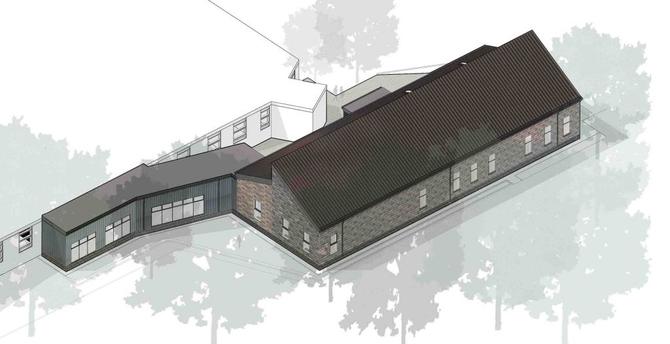
Artist’s impression of the new £14 million PET‑CT facility at Singleton Hospital, due to open to patients in early 2027.
(Image: Swansea Bay University Health Board)

Expanded services and seven‑day scanning

The new purpose‑built facility, funded by the Welsh Government as part of its all‑Wales PET‑CT programme, will allow Singleton to expand its services significantly.

Professor Neil Hartman, Swansea Bay’s Head of Nuclear Medicine, said:

“For the first time we will be able to do paediatric PET scanning. We will be able to do scanning under general anaesthetic, and brain scanning, which we are not able to do at the moment. And we will be able to do seven‑day‑a‑week scanning if we so wish.”

Part of a national programme

The Welsh Government’s PET‑CT programme aims to establish four static scanners across Wales within the next decade — in Swansea, Velindre, North Wales, and a fourth location yet to be confirmed.

Construction at Singleton, led by contractor Tilbury Douglas, is expected to be completed by autumn 2026. Equipment installation will follow, with the first patients due to be scanned in early 2027.

Designed with patients in mind

The new building, located at the north end of the hospital site, will include six uptake rooms for patient preparation, a general anaesthesia room, and dedicated waiting and post‑screening areas. It has been carefully designed to avoid disrupting existing services and to protect established trees on the site.

Christine Morrell, Swansea Bay’s Director of Allied Health Professionals and Health Science, said:

“Our capacity and capability on the mobile unit were not giving us what we needed in terms of the population. We are looking forward to it being built and to being able to expand our services.”

‘Much‑needed development’

Swansea Bay University Health Board Chair, Jan Williams, at the launch of the £14 million Singleton Hospital PET‑CT project.(Image: Swansea Bay University Health Board)

Swansea Bay University Health Board Chair, Jan Williams, said she and Hywel Dda Chair Neil Wooding were delighted to see work begin:

“This is an exciting development which is much needed for the population of South West Wales. It will give the expert staff who provide such excellent care the opportunity to enhance their service even further.”

Related cancer care stories

Hundreds of men involved in game‑changing Swansea prostate cancer trial
A pioneering trial in Swansea is giving men access to cutting‑edge treatment and transforming outcomes for prostate cancer patients.

Women’s touch rugby tournament scores big in aid of Swansea Bay’s Cancer Centre
Local teams came together on the pitch to raise vital funds for cancer services, combining sport, community spirit and charity.

Sisters step up to thank cancer centre that cared for their dad
Two sisters took on a fundraising challenge to show gratitude to Swansea Bay’s Cancer Centre for the care given to their father.

Pontardawe cancer survivor joins innovative follow‑up care trial
A survivor from Pontardawe is helping to shape a new approach to follow‑up care, designed to improve quality of life after treatment.

Jiffy’s Cancer 50 Challenge raises thousands for cancer care in South Wales
Rugby legend Jonathan ‘Jiffy’ Davies led cyclists on a 50‑mile challenge, raising significant funds for cancer services across the region.

Lord Mayor thanks Swansea for backing £200k cancer appeal
Swansea’s Lord Mayor praised the generosity of shoppers and traders after a city market appeal smashed its £200,000 target for cancer care.

#Cancer #cancerDiagnosis #ChristineMorrell #DannyFlynn #groundbreaking #HywelDda #JanWilliams #NeilHartman #NHSWales #PETCT #SingletonHospital #Swansea #SwanseaBayUniversityHealthBoard #WelshGovernment

One in three GP mental health appointments in Wales ‘failed to meet needs’, Mind Cymru survey finds

Survey reveals gaps in support

The findings, published in Mind’s Big Mental Health Report 2025, show that 36% of respondents in Wales felt their most recent GP mental health appointment failed to provide the help they needed.

While the vast majority (85%) said their GP listened carefully, only half (52%) left their appointment feeling hopeful. A similar proportion (50%) reported being treated unfairly in the past year when seeking help for their mental health.

The survey gathered responses from 1,570 adults in Wales between January and March 2025, as part of a wider UK study involving more than 18,000 people.

‘I was suicidal and waiting made me worse’

One woman from Bridgend, diagnosed with Complex PTSD, described waiting a month for a GP appointment despite being suicidal. She told Mind Cymru the delay pushed her into crisis, leading to repeated visits to A&E.

“I was suicidal and constantly thinking about ending it as I just didn’t think I could carry on living,” she said. “The waiting made me worse. During my last crisis I developed psychosis. I ended up in A&E multiple times and that was not what I needed.”

She said the lack of timely support left her unable to work and in “a really frightening place mentally.”

Call for urgent reform ahead of Senedd elections

Mind Cymru is urging the next Welsh Government to overhaul primary care services and deliver on Wales’ new 10‑year mental health strategy.

The charity wants to see:

  • Same‑day access to mental health support across Wales
  • A stronger focus on children and young people’s mental health
  • Greater collaboration between the NHS and voluntary sector providers to ease pressure on services

Sue O’Leary, Executive Director at Mind Cymru, said:

“People in Wales are waiting too long, or are simply unable in some cases, to access the right kind of mental health support when they need it. This is impacting people’s relationships, their ability to work, their physical health and their overall sense of self‑worth.

“GPs and voluntary sector providers are often doing all they can, but the current healthcare system simply isn’t working for people with mental health needs in Wales today. The next Welsh Government must deliver on plans to create an open access service, prioritising same‑day referrals for people needing mental health support.”

About the report

Mind’s Big Mental Health Report is published annually and brings together data on mental health problems, stigma and discrimination, alongside personal experiences. The 2025 edition highlights rising demand for support, long waiting times, and the urgent need for reform across England and Wales.

The full report is available at mind.org.uk.

Related mental health stories

Welsh football clubs supported to reach mental health goals
A new e‑learning course from Mind Cymru and UK Coaching is helping grassroots football clubs tackle stigma and support positive mental health across Wales.

Midwife from Swansea wins award for mental health care to new parents
A Swansea midwife has been recognised nationally for her outstanding work supporting the mental health of new parents.

Swansea man speaks out after years of mental health service failings
A local man has shared his story of struggling to access timely support, highlighting gaps in mental health provision in Wales.

Mental Health Swims launches new project in Swansea
The community group is expanding its outdoor swimming initiative to boost wellbeing and connection for people across Swansea Bay.

#BigMentalHealthReport #GPAppointments #mentalHealth #mentalHealthSupport #MindCymru #NHS #NHSMentalHealth #NHSWales #SeneddElections2026 #Wales

NHS Wales complaints system overhaul approved by Senedd

The change marks the biggest shake‑up of complaints handling and incident investigation in almost 15 years. Ministers say the new approach will make the system more compassionate, less bureaucratic, and easier for patients and families to navigate.

And in a move that sounds like it could have been scripted for BBC satire W1A, the NHS in Wales will no longer be “Putting Things Right” but instead will be “Listening to People.”

A new two‑stage process

The reforms in the new “Listening to People” introduce a two‑stage resolution system. The first stage will focus on early resolution, giving patients and families the chance to have their concerns heard quickly. If issues cannot be resolved at that point, a second stage may involve assessing liability and offering redress of up to £50,000.

Under the new rules, NHS organisations will be required to hold “listening discussions” with complainants, ensuring people feel their experiences are taken seriously. Communication must be clear and compassionate, with complex medical or legal terms explained in plain language. Patients will also be offered advocacy and legal support to help them navigate the process.

The higher redress threshold of £50,000 is designed to reduce the need for lengthy and costly litigation, while mandatory checks will ensure complaints are resolved within set timeframes.

Principles behind the reforms

The system is underpinned by four principles: that people are listened to and treated with respect; that investigations are proportionate and effective; that lessons are learned to prevent mistakes happening again; and that NHS leaders are held accountable for meeting regulatory standards.

Minister: old Putting Things Right system ‘let too many people down’

Cabinet Secretary for Health and Social Care Jeremy Miles said the previous Putting Things Right system had been “overly bureaucratic and legalistic,” compounding injury and grief for too many families.

He added:

“By speaking out you have helped to change the culture of NHS complaint handling to a much more open and supportive system.

This new system will significantly strengthen the existing NHS complaints system, by ensuring complaints can be made easily and they are dealt with in a compassionate, effective and timely manner.”

Oversight and delivery

Implementation will be led by NHS Wales Performance and Improvement, with oversight from the Public Services Ombudsman for Wales and Llais, the national patient voice body.

Related stories from Swansea Bay News

£300k of sweets and fizzy drinks sold in Swansea Bay hospitals, FOI reveals
Freedom of Information data shows patients and visitors spent more than £300,000 on sugary snacks and drinks in local hospitals.

Morriston Jhoots Pharmacy crisis: staff unpaid for weeks and no pharmacist on site, says MP
Concerns have been raised in Parliament after reports of unpaid staff and unsafe conditions at a Morriston community pharmacy.

Councillor saves man with CPR in Llanelli town centre
Lliedi councillor Shaun Greaney helped save a man’s life in Stepney Street, highlighting the need for more 24/7 public defibrillators.

Shalom House charity confirms closure as health board pledges continuity of care
The Pembrokeshire hospice charity has announced its closure, with Hywel Dda University Health Board assuring patients care will continue.

#complaints #Health #JeremyMilesMS #ListeningToPeople #NHSComplaints #NHSWales #PuttingThingsRight