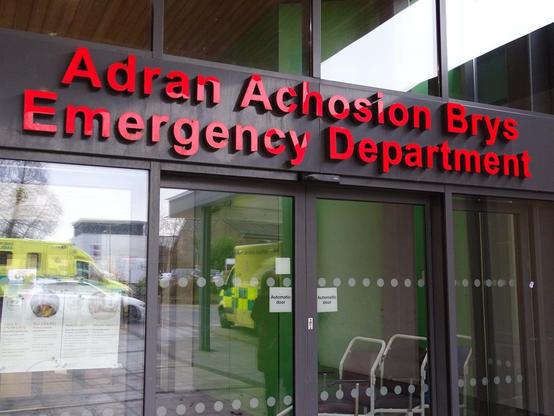
 Editor
A&E crisis: Nearly 1,000 deaths in Wales linked to 12-hour waits as calls grow for urgent action
New figures from the Royal College of Emergency Medicine reveal 965 deaths in 2025 were associated with long emergency department waits — an average of 18 people every week.
The total is up on the previous year, with doctors warning the scale of the crisis should send “shockwaves” through the political system.
“A matter of life and death”
Emergency medicine experts say the situation inside A&E departments has become critical.
Dr Rob Perry said many of those affected were among the most vulnerable patients — people already in need of urgent hospital care.
“Any number of avoidable deaths is a tragedy — that there were almost a thousand last year should send shockwaves,” he said.
“This is a matter of life and death.”
The report points to overcrowded hospitals, high bed occupancy and delays discharging patients as key drivers — leaving emergency departments gridlocked.t door” of emergency departments, but at the “back door” — where patients cannot be moved into wards quickly enough.
How delays are linked to deaths
The analysis suggests one death occurs for every 72 patients forced to wait 12 hours or more before being admitted.
Experts say tackling patient flow through hospitals — not just demand at the front door — is key to preventing further loss of life.
The College is now calling on all parties to commit to ending deaths associated with long waits by 2030.
Government: “Real progress” on waiting lists
The stark findings come just days after the Welsh Government published its latest NHS performance figures — highlighting improvements elsewhere in the system.
According to ministers:
- The average waiting time for treatment has fallen to around 18 weeks
- Waiting lists have dropped for eight months in a row
- January saw a record monthly fall of 27,900 patients
Health Secretary Jeremy Miles said the figures showed “real, tangible progress”.
“Health boards are delivering more appointments and more operations… making sure people are seen and treated faster,” he said.
How delays are costing lives
The analysis uses a recognised measure suggesting one death occurs for every 72 patients forced to wait 12 hours or more.
That equates to hundreds of potentially avoidable deaths each year.
The College is now calling on all political parties to commit to ending deaths linked to long A&E waits by 2030, warning that failure to act will lead to more lives lost.
More operations — but pressure remains
The Welsh Government says the improvements have been driven by:
- 187,000 extra outpatient appointments
- A record 37,000 cataract operations
- Additional £120 million funding
There have also been improvements in ambulance response times and hospital handovers.
But ministers acknowledge winter pressures remain high, with A&E departments recording one of their busiest periods on record.
Political pressure ramps up
The figures have prompted renewed criticism from the Welsh Conservatives.
Shadow Health Secretary Peter Fox said urgent action is needed.
“Every patient deserves timely care and no one should have to wait 12 hours or more,” he said.
“This data underlines the urgent need for strong, effective action.”
He reiterated calls to declare a health emergency to bring down waiting times and end corridor care.
Welsh Liberal Democrat Leader Jane Dodds MS put the blame firmly at an overstretched social care system.
“These figures are a national scandal. Nearly a thousand people dying after waiting over 12 hours in A&E reflects a system that is fundamentally broken and causing avoidable deaths.
“For too long, the focus has been on the front door of hospitals, when the real crisis is at the back door. Patients cannot be discharged because social care is overstretched, beds remain blocked, and A&E departments become dangerously overcrowded.
“If we are serious about ending these avoidable deaths, the next Welsh Government must properly fund social care and take a whole-system approach to fixing patient flow and funding social care properly will be a red line in any negotiations we hold with other parties.”
Two pictures of the NHS
Together, the figures paint a complex picture of the Welsh NHS.
On one hand, waiting lists are falling and more patients are being treated.
On the other, emergency departments remain under severe pressure, with long waits continuing to be linked to hundreds of deaths each year.
With a Senedd election approaching, the challenge for politicians is clear — turning progress on paper into safer care on the frontline.
Related stories from Swansea Bay News
Hearing fear: Ammanford star Owain Wyn Evans warns “I was missing conversations”
Broadcaster opens up about health concerns and the impact on daily life.
West Wales warning: Meningitis outbreak sparks fears
Parents urged to stay alert as health officials respond to rising cases.
Swansea parents’ long fight for answers over son’s hidden ADHD and autism
Family speaks out after years of struggle navigating the system.
Llanelli teen invited to Parliament after years of agony
Young campaigner recognised after battling an invisible illness.