 Kit Peters
Llanelli to host pioneering NHS drone hub as Wales trials autonomous medical deliveries
Dafen site chosen for key vertiport
The Emergency Medical Retrieval and Transfer Service/Wales Air Ambulance base in Dafen, Llanelli has been confirmed as one of three sites to host prototype vertical take‑off and landing facilities — known as vertiports — as part of the Dragon’s Heart project.
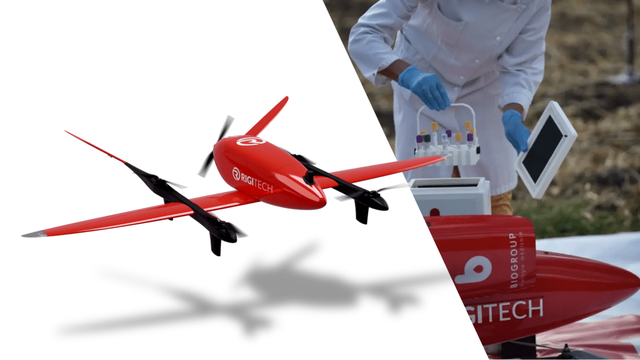
The Llanelli hub will be used to demonstrate how drones can carry blood products and urgent medical samples directly between NHS sites, helping frontline teams respond more quickly to emergencies.
Local NHS staff will be able to engage with the new infrastructure during demonstration flights, exploring how the technology could enhance patient care in Carmarthenshire and beyond.
Transforming rural healthcare
While the drone network is designed to connect NHS facilities across Wales, its impact will be especially significant in rural and hard‑to‑reach communities. By bypassing road congestion and geographic barriers, drones offer a faster, more reliable way to deliver life‑saving supplies where they’re needed most.
“Harnessing drone technology will help us better serve patients and NHS teams, ensuring critical resources arrive where they’re needed most,” said Alan Prosser, Director of the Welsh Blood Service.
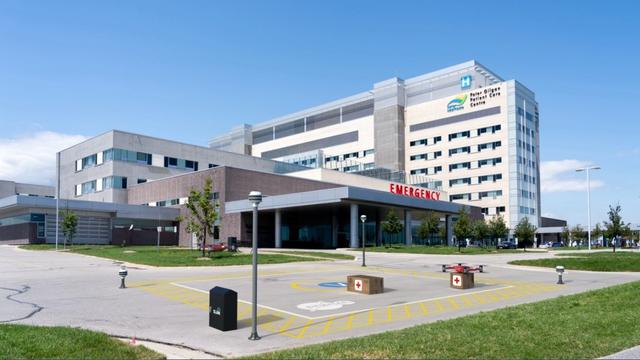
Concept design showing how a vertiport for medical drones could look. One of the first prototype sites will be at the Wales Air Ambulance base in Dafen, Llanelli.A Wales‑wide network with Llanelli at its heart
Alongside Llanelli, vertiports will also be installed at the Welsh Blood Service headquarters in Talbot Green and the Ambulance and Fire Rescue Services resource centre in Wrexham. Together, these sites will form the backbone of a future drone delivery network.
The technology includes autonomous flight guidance, ground‑based radar, and real‑time threat avoidance systems, ensuring safe and efficient operation even in complex environments.
Looking ahead to 2027
The current phase focuses on regional demonstration and strategic growth, with the goal of launching a fully operational prototype service from Talbot Green by 2027.
The Welsh Blood Service says it remains committed to exploring cutting‑edge solutions that improve healthcare delivery and patient outcomes across Wales — with Llanelli playing a key role in shaping the future of NHS transport.
Related articles
- Ambulance Service looks at using drones to deliver defibrillators – Exploring how drone technology could save lives in cardiac emergencies.
- Police to use drones in crackdown on motoring offences – High‑tech aerial support to tackle dangerous driving across South Wales.
- Council chief exec urges more people to donate blood – A personal story highlighting the importance of blood donations in Wales.
- Lab team clocks up the miles in thanks to Blood Bikers – Celebrating volunteers who transport vital samples and supplies across the region.
#Dafen #DragonSHeartProject #DroneDelivery #droneMedicalDelivery #drones #EMRTS #Llanelli #medicalSamples #NHSDroneHub #NHSWales #Technology #WalesAirAmbulance #WelshBloodService