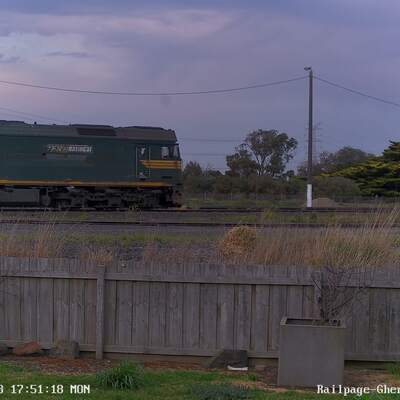
Retired Metro driver shares thoughts as original trains run their final scheduled journeys - VibeWire Magazine
Tyne and Wear Metro has published the reflections of a train driver who worked on the network when it began operating in 1980.
#deutschrap #rap #hiphop #germanrap #rapper #musik #music #newmusic #newrelease #independentartist #undergroundrap #battlerap #lyricist #bars #flow #lyrics #boombap #trap #viral #trending #fyp #shorts #youtubeshorts #reels #deutsch #deutschmusik #nexus #artist #musicvideo #realtalk #berlin #deutschland

Nexus 3 как прокси для npm и PyPI: опыт команды из 16 разработчиков
За последние пару лет доступность внешних реестров и CDN для российских команд стала менее предсказуемой. Для пользователя это обычно выглядит как «сайт не открывается», а для разработчиков — как внезапно упавший CI, зависшая сборка или сорванный деплой. Привет, Хабр! Меня зовут Рахимов Искандер, я фронтенд-разработчик в компании Sofoil. Для понимания контекста: речь идёт о подразделении Sofoil, которое занимается разработкой интерактивных обучающих систем. В команде работает 16 разработчиков, а основной стек — Angular на фронтенде и Python на бэкенде. Со временем проблемы с внешними реестрами начали накапливаться: сборки замедлялись, периодически возникали таймауты, а стабильность релизов всё чаще зависела не от нашего кода, а от доступности сторонних сервисов. В какой-то момент стало понятно, что проблему нужно решать системно. В качестве решения мы выбрали Sonatype Nexus 3. Расскажу, как внедряли его в инфраструктуру, какие задачи он закрыл и с какими нюансами пришлось столкнуться.
Protoype for real-time loading of a 2M faces model with 670 mega-pixels of textures using the #nexus format from the Visual Computing Group in #DPO-Voyager.
It's... beyond "fast" 😅
#chauvet #cave #archeology
Hallo zusammen,
der Nexus e.V. kann auch Podcast. Nun ist die Folge 66 des Zock-Bock-Radios online:
https://pesa-nexus.de/2026/06/20/episode-66-sci-fi-hoerspiele-aus-der-ddr/
Viel Spaß beim Hören!
#nexus #nexusberlin #rollenspielberlin #penandpaperberlin #Rollenspiel #rpg #pnp #pnpberlin #zockbockradio #podcast #scifi #scifihörspiele
Screen Music Authentication and the Popular Music Classroom: Teaching and Research
Liane Gualdim Silva
Conference paper presented at Popular Music Methodologies 2026.
Link to paper: Video Essay
Citation: Silva, L. G. (2026), ‘Screen Music Authentication and the Popular Music Classroom: Teaching and Research”, 2026 Popular Music Methodologies Conference, 19 June. London: Middlesex University London.
Paper Abstract: As part of my ongoing research into music composition for screen media, I have explored how a framework of authentication can shift perspectives for the practice of screen music composition and screen musicology. At the same time, through the practice of teaching this in a module called Critical Perspectives, I have gained insight into how this mindset shift can change creative and research practices within screen musicology. In this paper, I explore the insights that emerged from my teaching practice and that have enriched my research and practice as a screen music composer. I also explore the implications and applications, practical and otherwise, of drawing on that never-ending cycle between teaching and research, and how this may benefit the students, the scholar, and the larger academic context, particularly in the field of screen musicology focused on film, television, and videogame music.
Panel Abstract (Joint panel proposal with Dr. Tim Hughes and Dr. James Johnson): In this panel we will discuss the importance of teaching in the development of popular music methodologies. Scholars argue that teaching can both inform and be informed by research (Tight, 2016): teaching invites students to challenge new ideas, exposing the limitations of data and arguments and prompting avenues for new research (Cote, Barnett and Williams, 2003). Each paper will be based on the teaching experiences of an individual researcher working on a co-taught popular music themed module at the University of West London entitled Critical Perspectives. Each presenter will discuss a particular research approach developed while teaching part of the module.
View on Academia.edu View on Orcid #authentication #authenticity #cyberpunk #ENG #ludomusicology #musicology #nexus #Research #sciFi #scienceFictionAutenticação Musical em Multimédia Digital e o Ensino de Música Popular: Relação Entre o Ensino e a Pesquisa Académica
Liane Gualdim Silva
Ensaio apresentado na conferência Popular Music Methodologies 2026.
Link to paper: Video Essay
Citation: Silva, L. G. (2026), ‘Screen Music Authentication and the Popular Music Classroom: Teaching and Research”, 2026 Popular Music Methodologies Conference, 19 June. London: Middlesex University London.
Paper Abstract: As part of my ongoing research into music composition for screen media, I have explored how a framework of authentication can shift perspectives for the practice of screen music composition and screen musicology. At the same time, through the practice of teaching this in a module called Critical Perspectives, I have gained insight into how this mindset shift can change creative and research practices within screen musicology. In this paper, I explore the insights that emerged from my teaching practice and that have enriched my research and practice as a screen music composer. I also explore the implications and applications, practical and otherwise, of drawing on that never-ending cycle between teaching and research, and how this may benefit the students, the scholar, and the larger academic context, particularly in the field of screen musicology focused on film, television, and videogame music.
Panel Abstract (Joint panel proposal with Dr. Tim Hughes and Dr. James Johnson): In this panel we will discuss the importance of teaching in the development of popular music methodologies. Scholars argue that teaching can both inform and be informed by research (Tight, 2016): teaching invites students to challenge new ideas, exposing the limitations of data and arguments and prompting avenues for new research (Cote, Barnett and Williams, 2003). Each paper will be based on the teaching experiences of an individual researcher working on a co-taught popular music themed module at the University of West London entitled Critical Perspectives. Each presenter will discuss a particular research approach developed while teaching part of the module.
View on Academia.edu View on Orcid #authentication #authenticity #cyberpunk #ludomusicology #methodology #musicology #nexus #PT #sciFi #scienceFiction #teachingTransmissions : En attendant IRIS², le ministère des Armées s’assure un accès à la constellation en orbite basse OneWeb