 The Mirror: News, Sport, Celebrity & Entertainment [Unofficial]
Organised shoplifting gangs using children as young as five, police say
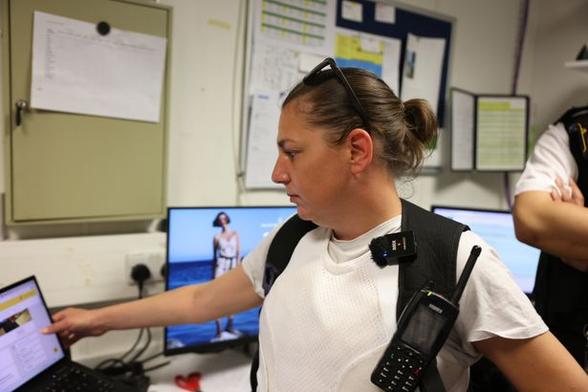
Organised shoplifting gangs using children as young as five, police say
Illustration by Samuel G. Szabó, from Rogues, A Study of Characters (1857).
Source: The Metropolitan Museum
https://pdimagearchive.org/images/66312f3a-a628-4d56-bda5-1b97968de985
#portraiture #character #mugshots #criminals #faces #crime #hats #art #publicdomain
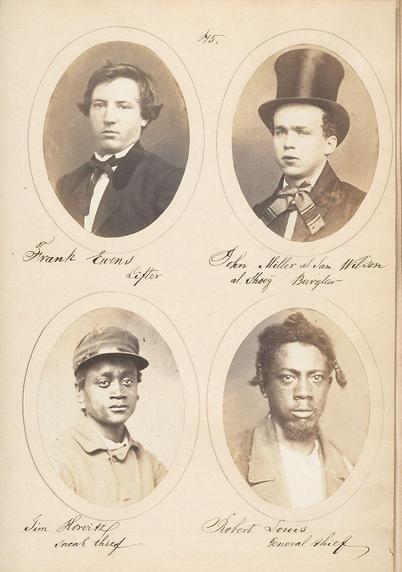
Illustration by Samuel G. Szabó, from Rogues, A Study of Characters (1857).
Source: The Metropolitan Museum
https://pdimagearchive.org/images/74c438f2-2c95-403a-b8b0-77eb8926ad1a
#portraiture #character #portraits #mugshots #criminals #identification #faces #crime #art #publicdomain
The Story Behind Harris Lyons’ Dual Mugshots and His 1893 Criminal Arrest
📰 Original title: Double Trouble: The Strange Mugshots of Harris Lyons, 1893
🤖 IA: It's not clickbait ✅
👥 Users: It's not clickbait ✅
View full AI summary: https://en.killbait.com/the-story-behind-harris-lyons-dual-mugshots-and-his-1893-criminal-arrest.html?utm_source=mastodon_world&utm_medium=social&utm_campaign=killbait.mastodon_world
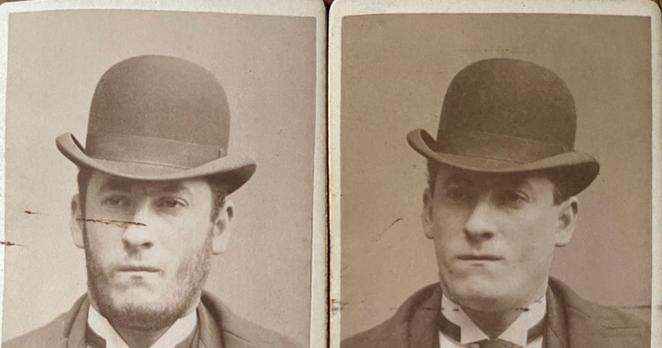
The article explores the unusual case of Harris Lyons, a criminal arrested in 1893 whose police records included two nearly identical mugshots taken in Newark, New Jersey. The photographs, preserved as carte de visite (CDV) cards, show Lyons in the same pose but with a notable difference: one image depicts him with facial stubble while the other shows him clean-shaven. The article explains that CDVs were commonly used during the late 19th century both for portraits and for police identification records. According to reports from The Evening World in New York, Lyons and another man named James Goughty were arrested on December 8, 1893, for involvement in a 'sneak thief' robbery committed in Newark. The victim, storekeeper Emma Zillaux, reportedly identified the suspects after seeing their photographs in New York City’s Rogues’ Gallery, an early police collection of criminal images. The timeline of the arrest helps explain why two mugshots were created. Lyons was not photographed in Newark until December 22, two weeks after his arrest. During that time, he had likely been held in jail without shaving, leading police to photograph him first with facial hair and then again after shaving him to better match his usual appearance. The article notes that authorities surprisingly preserved both versions. The piece also mentions that Lyons had a long criminal history extending beyond this incident. One of his crimes allegedly involved stealing silverware from a descendant of Alexander Hamilton. Additional historical research into his life was conducted by his great-grandniece, Cath Giesbrecht, who published a detailed account about him on Substack.
The Story Behind Harris Lyons’ Dual Mugshots and His 1893 Criminal Arrest
📰 Original title: Double Trouble: The Strange Mugshots of Harris Lyons, 1893
🤖 IA: It's not clickbait ✅
👥 Users: It's not clickbait ✅
View full AI summary: https://en.killbait.com/the-story-behind-harris-lyons-dual-mugshots-and-his-1893-criminal-arrest.html?utm_source=mastodon_social&utm_medium=social&utm_campaign=killbait.mastodon_social
The article explores the unusual case of Harris Lyons, a criminal arrested in 1893 whose police records included two nearly identical mugshots taken in Newark, New Jersey. The photographs, preserved as carte de visite (CDV) cards, show Lyons in the same pose but with a notable difference: one image depicts him with facial stubble while the other shows him clean-shaven. The article explains that CDVs were commonly used during the late 19th century both for portraits and for police identification records. According to reports from The Evening World in New York, Lyons and another man named James Goughty were arrested on December 8, 1893, for involvement in a 'sneak thief' robbery committed in Newark. The victim, storekeeper Emma Zillaux, reportedly identified the suspects after seeing their photographs in New York City’s Rogues’ Gallery, an early police collection of criminal images. The timeline of the arrest helps explain why two mugshots were created. Lyons was not photographed in Newark until December 22, two weeks after his arrest. During that time, he had likely been held in jail without shaving, leading police to photograph him first with facial hair and then again after shaving him to better match his usual appearance. The article notes that authorities surprisingly preserved both versions. The piece also mentions that Lyons had a long criminal history extending beyond this incident. One of his crimes allegedly involved stealing silverware from a descendant of Alexander Hamilton. Additional historical research into his life was conducted by his great-grandniece, Cath Giesbrecht, who published a detailed account about him on Substack.
Show me your favorite #science themed coffee (or tea) #cup. This here is mine. I got it many years ago from my institute (maybe for the 40th anniversary of the Effelsberg radio telescope). The small telescope can spin 360°.
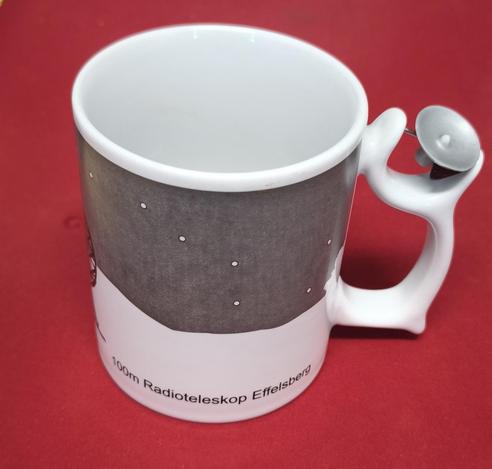
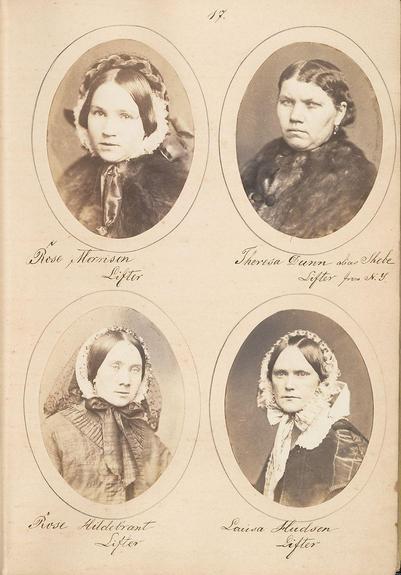
Illustration by Samuel G. Szabó, from Rogues, A Study of Characters (1857).
Source: The Metropolitan Museum
https://pdimagearchive.org/images/554fcf2a-6a8e-420f-852f-0a950281b224
#portraiture #character #portraits #mugshots #criminals #identification #faces #crime #art #publicdomain
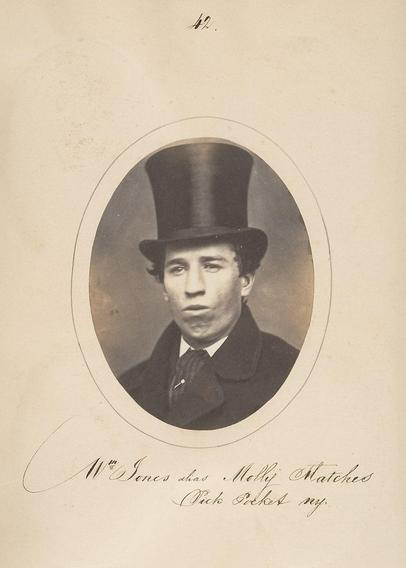

La primera foto policial de un delincuente se tomó en Birmingham en 1853, convirtiéndose así en la primera fuerza policial del mundo en hacerlo #Fotos #FotosAntiguas #Historia #Curiosidades #Retro #Vintage #Siglo XIX #XIXCentury #England #UK #Presos #Mugshots
https://momentosdelpasado.blogspot.com/2026/03/las-fotos-policiales-mas-antiguas-de.html
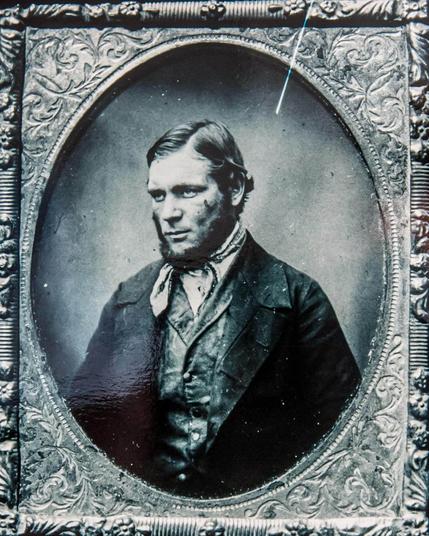
Illustration by Samuel G. Szabó, from Rogues, A Study of Characters (1857).
Source: The Metropolitan Museum
https://pdimagearchive.org/images/cd15e598-30bb-48cf-84ae-5b42e30bd6e2
#portraiture #character #portraits #mugshots #criminals #identification #faces #crime #art #publicdomain

 Public Domain Image Archive
 KillBait News
 KillBait
 Andreas Brunthaler
 Follow GOLF
 Digital Fraktion