What is your most favorite model organism?
#nicotiana #plantscience #modelorganism
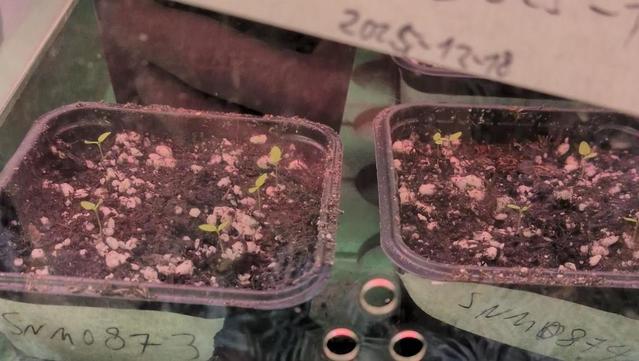
"Today, that weed [Arabidopsis thaliana] is widely regarded as a botanical superstar. Arabidopsis has been the focus of some 100,000 research papers. Its seeds have flown around the Moon; it is the go-to plant for experiments on the International Space Station. And when the scientific community decided which plant should be the first to have its genome sequenced, Arabidopsis emerged as the winner."
Aurelia aurita #ephyra #jellyfish #modelorganism #cryobiology
#iceamedusa project funded by #DeputacióndePontevedra #uvigo
"Zebrafish exposed to light pollution at night showed signs of anxiety, such as swimming less and staying close to aquarium walls. The next generation of zebrafish also showed anxiety-related behaviors, even without direct exposure to the light, suggesting lasting effects across generations."
https://earthsky.org/earth/light-pollution-fish-next-generation/
There was someone, like 10 years ago set up a biotech in California that was focused on making known patient mutations in really simple, highly reproductive model organisms (yeast, fly, worm), and then testing a variety of compounds to see if they resulted in the rescue phenotype.
I know they concentrated on lipid processing mutations initially.
I was describing this to someone, and could not remember the name of the person or company.
A French study in a #ModelOrganism found that:
1. Acute exposure to 500-lux artificial light at night alters the expression of #genes in retinal cells involved in signaling pathways linked to cellular stress and inflammation;
2. Chronic exposure to #ALAN causes changes in both scotopic and photopic retinal sensitivity; and
3. ALAN exposure "impairs visual function in the long term, linked to retinal degeneration "which can lead to #vision loss."
https://www.sciencedirect.com/science/article/abs/pii/S1769449323003060
New results in a mouse model "demonstrate the rapid and potent effects of [artificial light at night] on cerebrovascular networks, highlighting the importance of ALAN mitigation in the context of health and cerebrovascular disease."
https://www.cell.com/iscience/fulltext/S2589-0042(23)01073-8
#Neuroscience #Chronobiology #MouseModel #ModelOrganism #Cerebrovascular #ALAN
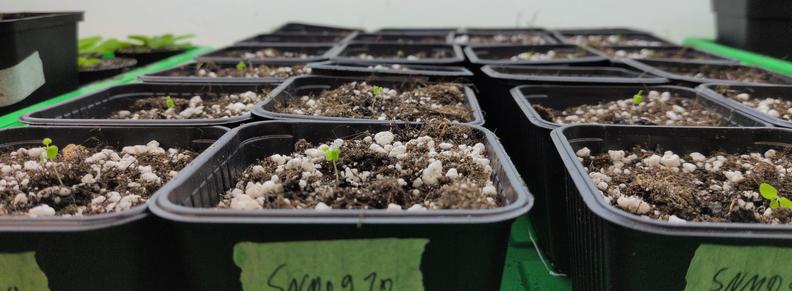
Researchers decode 95.6% of the #genome of #Nicotiana benthamiana.
https://phys.org/news/2023-02-decode-genome-nicotiana-benthamiana.html
The plant Nicotiana benthamiana, from the Solanaceae family, is one of the most widely used experimental models in plant science. In 2020, a research group at Nagoya University in Japan reported that N. benthamiana could be grafted with plants from different families, demonstrating a rare ability that many researchers thought impossible.