 lucianosresende
Após os ataques do Alessandro Vieira, Gilmar Mendes passou o trator pra cima dos lavajatistas:
Alguém não sabe que às 15:00h Janot já estava bêbado?
#lavajato #lavajatismo #moro #sergiomoro #janot #dallagnol #deltandallagnol
 Radiocittafujiko - Rss Bot
Cinema e teatro per i fantasmi di Moro e Pasolini, il progetto tra Bologna e Modena https://www.radiocittafujiko.it/cinema-e-teatro-per-i-fantasmi-di-moro-e-pasolini-il-progetto-tra-bologna-e-modena/ #Emilia-Romagna #Pasolini #CULTURA #Latest #Cinema #Teatro #NEWS #Moro

 MikeDunnAuthor
Today in Labor History March 5, 1906: U.S. Army troops beat the native Moros in the First Battle of Bud Dajo, during Moro Rebellion, Philippines. However, it wasn’t even close to being a battle. The U.S. had overwhelming firepower, slaughtering nearly everyone they encountered, men, women and children, and then posed with the corpses. Only six people survived. Mark Twain said, “In what way was it a battle? We cleaned up our four days’ work and made it complete by butchering these helpless people.” The Moro Rebellion (1899-1913) was a liberation struggle against U.S. colonialism by Muslims in the Southern Philippines, (Mindanao, Jolo and the neighboring Sulu Archipelago). Overall, during the Philippine Revolution and the Philippine-American Warm up to 6,000 U.S. soldiers and 12,000-20,000 Filipinos died in battle. However, as many as 1 million Filipino civilians died from famine and disease during the genocidal U.S. occupation.
#workingclass #LaborHistory #moro #philippines #rebellion #imperialism #massacre #colonialism #warcrimes #resistance #liberation

 Nicolò Schira 🤖
🚨 Excl. - Nikola #Moro is getting closer to extend his contract with #Bologna until 2029 with the option for 2030. #transfers
 Paolo Chirco
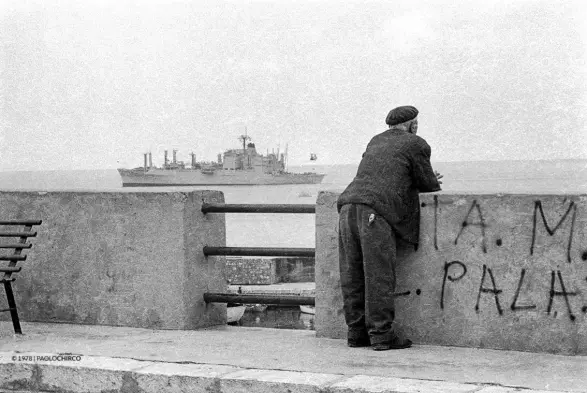
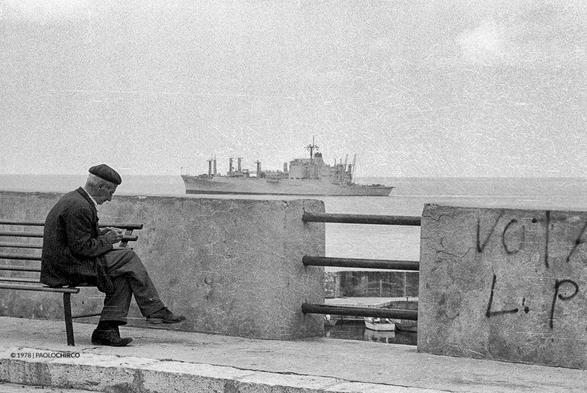
Lo sai a cosa serve una stazione ... ? cantava Claudio Lolli nel suo "Io ti racconto". Sapete a cosa serviva l'aeroporto civile di Palermo in quel '78 grondante del sangue, tra i molti altri, di #Moro e #Peppino #impastato ? Agli elicotteri Chinook di scaricare materiale bellico dalle navi militari. Qui
https://
paolochirco.altervista.org/fotografia-terrasini-1978-vecchio-mare-nave/
in questa nuova uscita, vi porto nel mio archivio per analizzare una sequenza fotografica dove il grottesco incontra la geopolitica. Una storia di elicotteri Chinook, di scritte spray che gridano "Il comunismo non passerà", di un uomo che ignora il palinsesto urbano della politica per riprendersi il suo spazio fisico e di un'indifferenza che diventa resistenza.
#puntaraisi #aeroporto #geopolitica #nato
https://
paolochirco.altervista.org/fotografia-terrasini-1978-vecchio-mare-nave/
in questa nuova uscita, vi porto nel mio archivio per analizzare una sequenza fotografica dove il grottesco incontra la geopolitica. Una storia di elicotteri Chinook, di scritte spray che gridano "Il comunismo non passerà", di un uomo che ignora il palinsesto urbano della politica per riprendersi il suo spazio fisico e di un'indifferenza che diventa resistenza.
#puntaraisi #aeroporto #geopolitica #nato
 paolochirco
Lo sai a cosa serve una stazione ... ? cantava Claudio Lolli nel suo "Io ti racconto". Sapete a cosa serviva l'aeroporto civile di Palermo in quel '78 grondante del sangue, tra i molti altri, di #Moro e #Peppino #impastato ? Agli elicotteri Chinook di scaricare materiale bellico dalle navi militari. Qui
https://paolochirco.altervista.org/fotografia-terrasini-1978-vecchio-mare-nave/
il racconto di una piccola serie fotografica dove il grottesco incontra la geopolitica tra indifferenza, muri palranti e bisogni primari.
 Armin Hanisch
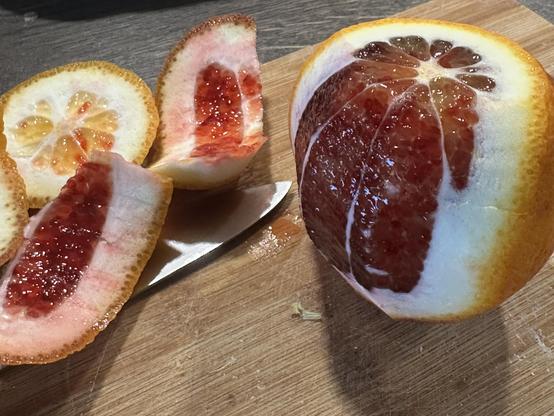
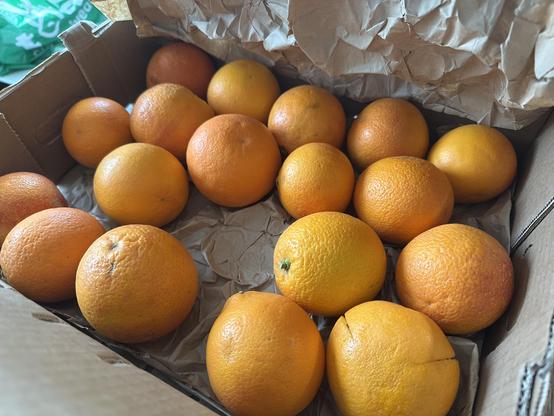
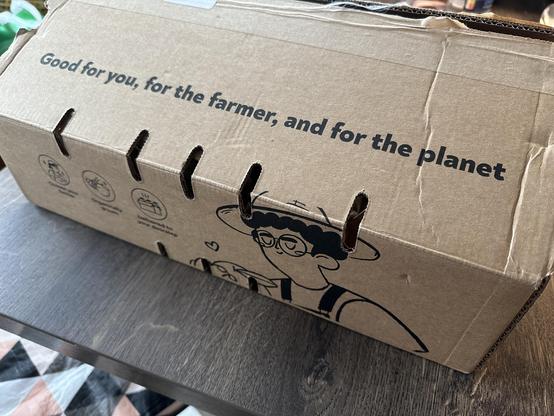
Gerade kam eine Lieferung aus Sizilien, die den Winter hier versüßt: frische Bio-Blutorangen! Von Crowdfarming.com, jetzt muss ich die Leute nur noch überzeugen, X zu verlassen und ins Fediverse zu kommen, bin dran. 😉
#BioObst #Orangen #Vitamine #Moro #Tarocco
#BioObst #Orangen #Vitamine #Moro #Tarocco
 Mike Verweij 🤖
NIEUWS: 🇪🇸 #Ajax en Osasuna bereiken
akkoord over Raul #Moro.
💰 Transfersom buitenspeler in totaal acht miljoen euro en percentage doorverkoop.
🥂Ook optie zes miljoen transfersom met 50% doorverkoop lag op tafel, maar Ajax kiest voor zekerheid.
https://www.telegraaf.nl/sport/voetbal/ajax-en-osasuna-bereiken-akkoord-over-raul-moro/125645790.html?utm_medium=referral&utm_campaign=share
akkoord over Raul #Moro.
💰 Transfersom buitenspeler in totaal acht miljoen euro en percentage doorverkoop.
🥂Ook optie zes miljoen transfersom met 50% doorverkoop lag op tafel, maar Ajax kiest voor zekerheid.
https://www.telegraaf.nl/sport/voetbal/ajax-en-osasuna-bereiken-akkoord-over-raul-moro/125645790.html?utm_medium=referral&utm_campaign=share
 Notizie Italiane
#moro #carnevalemondovi Carnevale di Mondovì: Tradizione e Leggenda nel Cuore del Piemonte

🔜 #Ajax en #Osasuna naderen akkoord over Raul #Moro.
💰 transfersom in totaal circa 9 miljoen euro.
🗣️ clubs in gesprek over constructie.
🇪🇸 Spanjaarden willen deel transfersom nu betalen voor vijftig procent van de rechten van de speler.
https://www.telegraaf.nl/sport/voetbal/ajax-en-osasuna-naderen-akkoord-over-raul-moro/125297557.html?utm_medium=referral&utm_campaign=share
💰 transfersom in totaal circa 9 miljoen euro.
🗣️ clubs in gesprek over constructie.
🇪🇸 Spanjaarden willen deel transfersom nu betalen voor vijftig procent van de rechten van de speler.
https://www.telegraaf.nl/sport/voetbal/ajax-en-osasuna-naderen-akkoord-over-raul-moro/125297557.html?utm_medium=referral&utm_campaign=share