 50+ Music
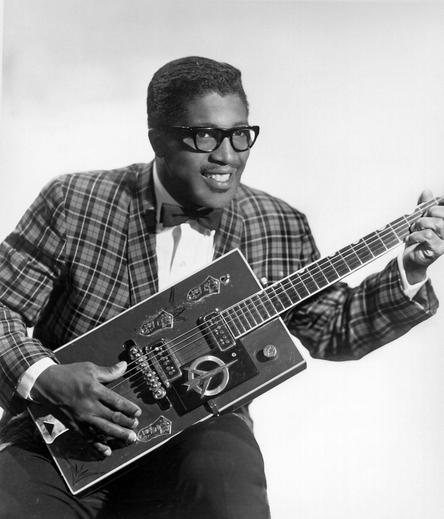
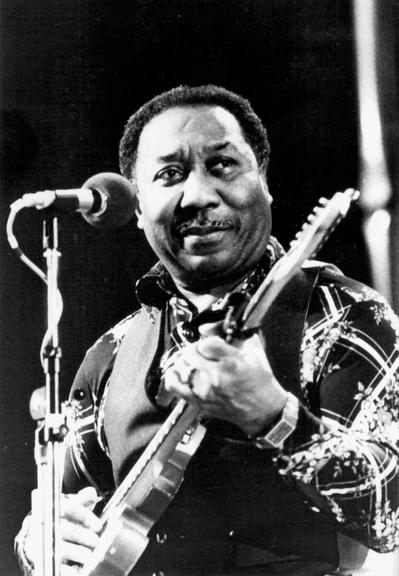
On the 2nd of June 2008: #BoDiddley, American rock `n' roll pioneer #guitarist (Bo Diddley), died of #heartfailure at 79.
#RIP 🥀
#RIP 🥀
AI Phone Monitoring Shows Promise in Reducing Hospitalizations for Heart Failure Patients
📰 Original title: Una llamada (hecha por la IA) puede evitar un ingreso
🤖 IA: It's not clickbait ✅
👥 Users: It's not clickbait ✅

A study led by cardiologist Aleix Olivella at Vall d’Hebron University Hospital explores the use of conversational artificial intelligence to remotely monitor patients with heart failure, a chronic and often underrecognized condition that is a leading cause of hospitalization among older adults. Rather than relying on complex apps or devices, the system uses a simple and familiar tool: weekly automated phone calls. The AI system contacts patients and asks about common warning signs of worsening heart failure, such as shortness of breath, fatigue, or sudden weight gain due to fluid retention. Importantly, the AI does not make clinical decisions. Instead, it collects and organizes patient responses and flags potential concerns for review by healthcare professionals, who then determine whether intervention is needed. The study included thousands of automated calls, with over 90% successfully completed and high patient satisfaction reported. Many participants expressed reassurance from the регуляр check-ins, highlighting the psychological benefit of feeling monitored and supported. The additional workload for healthcare staff was minimal, requiring only a few minutes per patient each week. Although the study was relatively small and designed to test feasibility, the results were encouraging. Patients monitored through the AI system showed an estimated 60% reduction in the combined risk of hospitalization or death compared to standard care. They also received more timely treatment adjustments, suggesting that early detection of symptom changes helped prevent deterioration. Researchers emphasize that AI is not a replacement for medical professionals but a tool to enhance early detection and continuous care. This approach demonstrates that innovation in healthcare does not always require complex technology; even a simple phone call, when supported by AI, can significantly improve patient outcomes.
AI Phone Monitoring Shows Promise in Reducing Hospitalizations for Heart Failure Patients
📰 Original title: Una llamada (hecha por la IA) puede evitar un ingreso
🤖 IA: It's not clickbait ✅
👥 Users: It's not clickbait ✅
A study led by cardiologist Aleix Olivella at Vall d’Hebron University Hospital explores the use of conversational artificial intelligence to remotely monitor patients with heart failure, a chronic and often underrecognized condition that is a leading cause of hospitalization among older adults. Rather than relying on complex apps or devices, the system uses a simple and familiar tool: weekly automated phone calls. The AI system contacts patients and asks about common warning signs of worsening heart failure, such as shortness of breath, fatigue, or sudden weight gain due to fluid retention. Importantly, the AI does not make clinical decisions. Instead, it collects and organizes patient responses and flags potential concerns for review by healthcare professionals, who then determine whether intervention is needed. The study included thousands of automated calls, with over 90% successfully completed and high patient satisfaction reported. Many participants expressed reassurance from the регуляр check-ins, highlighting the psychological benefit of feeling monitored and supported. The additional workload for healthcare staff was minimal, requiring only a few minutes per patient each week. Although the study was relatively small and designed to test feasibility, the results were encouraging. Patients monitored through the AI system showed an estimated 60% reduction in the combined risk of hospitalization or death compared to standard care. They also received more timely treatment adjustments, suggesting that early detection of symptom changes helped prevent deterioration. Researchers emphasize that AI is not a replacement for medical professionals but a tool to enhance early detection and continuous care. This approach demonstrates that innovation in healthcare does not always require complex technology; even a simple phone call, when supported by AI, can significantly improve patient outcomes.
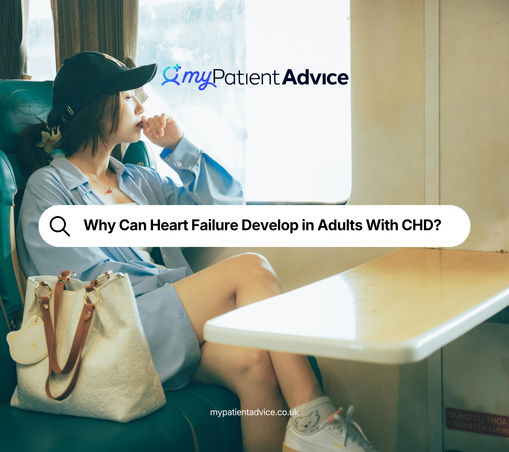
Why Can Heart Failure Develop in Adults With CHD?
Long-term strain affects heart function.
Residual defects, valve issues, and surgical history all contribute.
Symptoms often develop gradually.
Monitoring allows early detection and management.
Hemodynamic profile and PCWP in cardiogenic shock USMLE
#USMLEStep1 #MedEd #Cardiology #Pathology #CardiogenicShock #HeartFailure #ShockPathophysiology #Step1Prep #HighYield #MedSchool #InternalMedicine #CriticalCare #EmergencyMedicine #FutureDoctor #StudyGram #MedTwitter #Anki #BoardExams #Medical
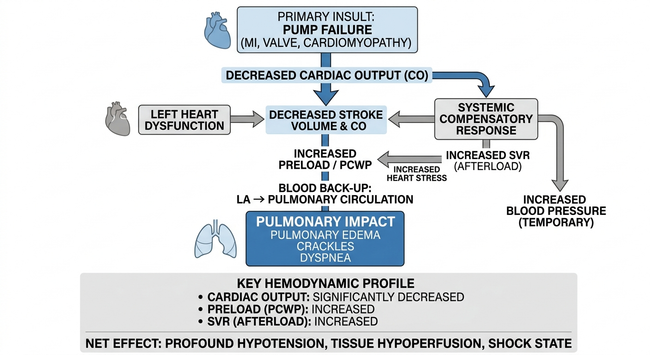
Master the hemodynamics of Cardiogenic Shock (U01.17.081) for USMLE Step 1. Understand the "pump failure" mechanism, increased PCWP, decreased Cardiac Output, and high Systemic Vascular Resistance (SVR). High-yield guide on mymedschool.org.
Researches have found that heart failure is associated with genetically controlled decreases in the activitiy of a specific transcription factor (KLF15). CRISPR-based gene activation was successful at reversing this genetic switch in mice.
Summary: https://medicalxpress.com/news/2026-04-gene-falters-heart-failure-crispr.html
Original paper: https://www.nature.com/articles/s41392-026-02593-9
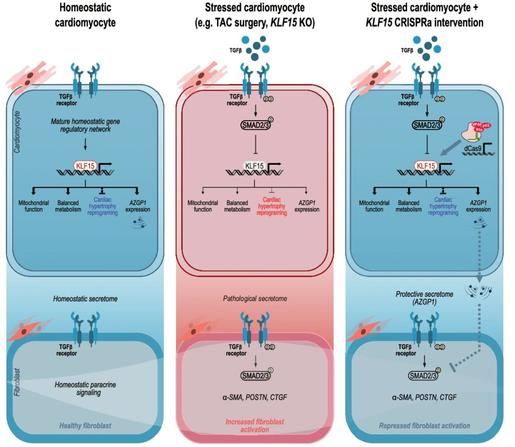
In heart failure, the heart can no longer supply the body with enough blood. The condition often develops over many years, for example, due to high blood pressure or other long-term strain on the heart muscle. At first, the heart tries to compensate for this extra workload by working harder, which causes it to enlarge. Over the long term, however, this adaptation leads to structural changes in the heart tissue, and the heart's pumping function progressively deteriorates. Until now, it has been largely unclear which processes occur in the heart muscle during this process and can be specifically targeted for treatment.
Recognizing the Early Signs of Heart Failure: Symptoms You Shouldn’t Ignore
https://www.dietofcommonsense.com/recognizing-the-early-signs-of-heart-failure/
#heartdisease #heartfailure #health #lifestyle #nutrition #wellness


 Follow GOLF
 KillBait News
 KillBait
 clarrisa_morton
 mymedschool
 RDN
RDN