Pożegnanie z reMarkable 2. Nadchodzi Paper Pure – szybszy, lżejszy i bez kropli kleju

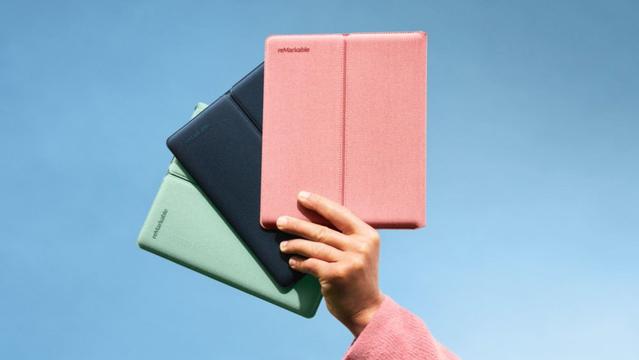
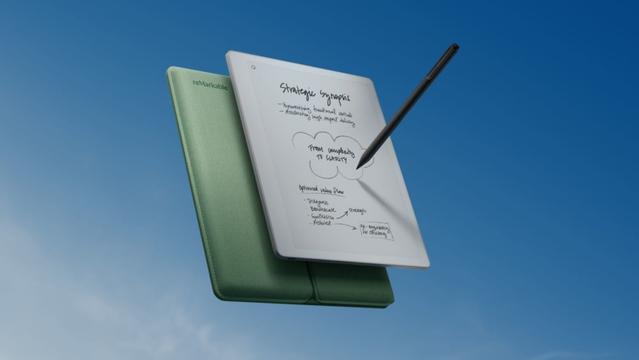
Norweski producent oficjalnie zaprezentował reMarkable Paper Pure – następcę legendarnej „dwójki”.

To nie jest rewolucja w kolorze, ale próba doprowadzenia czarno-białego e-papieru do dzisiejszych standardów wydajności. Pytanie tylko, czy dla użytkowników przyzwyczajonych do wszechstronności tabletów pokroju iPada, minimalistyczna filozofia reMarkable wciąż będzie wystarczającym argumentem.

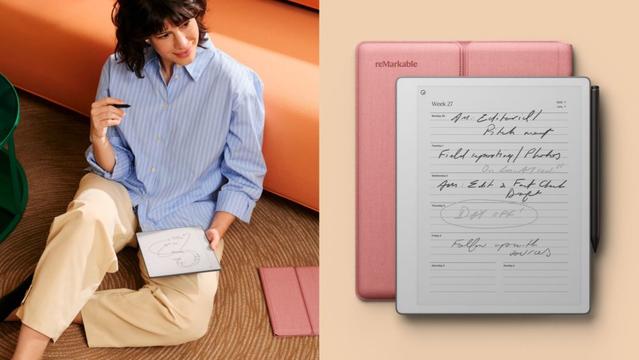
reMarkable Paper Tablet – czytnik i notatnik w jednym

Szybkość, której (według producenta) nie zabraknie

Największą bolączką reMarkable 2 była prędkość działania interfejsu. W Paper Pure ten problem ma zniknąć. Dzięki nowym podzespołom, nawigacja i zoomowanie mają być – według deklaracji firmy – dwukrotnie szybsze niż w poprzedniku.

Co więcej, firma chwali się, że opóźnienie (latency) przy pisaniu spadło do 21 milisekund. To niemal 10-krotnie szybciej niż mrugnięcie okiem, co w połączeniu z nowym wyświetlaczem Canvas (który marketingowo określany jest jako „najbielszy w historii”) ma sprawić, że zapomnimy o cyfrowym rodowodzie urządzenia.

Inżynieria w służbie naprawialności

W iMagazine zawsze doceniamy sprzęt, który nie jest „jednorazówką”. reMarkable Paper Pure został zaprojektowany z myślą o ekologii, co firma podpiera konkretnymi liczbami:

  • Zero kleju: urządzenie jest trzymane w całości przez śruby i zatrzaski, co radykalnie ułatwia ewentualną naprawę.
  • Materiały: tablet składa się w 38% z materiałów z odzysku.
  • Ślad węglowy: producent deklaruje, że jest on o 45% niższy niż w przypadku modelu reMarkable 2.

To świetne dane, choć na koniec dnia użytkownika bardziej ucieszy fakt, że urządzenie zachowało imponującą smukłość (6 mm) i waży zaledwie 360 gramów. Bateria ma wystarczyć na 3 tygodnie pracy, co przy tak cienkiej obudowie jest obietnicą dość odważną.

AI wchodzi do notatnika (z gwiazdką)

Wraz z Paper Pure, usługa Connect zyskuje funkcje oparte na sztucznej inteligencji. Tablet ma teraz potrafić nie tylko zamienić pismo ręczne na tekst, ale też streścić notatki i zasugerować listę zadań. Na tym etapie trudno jednak ocenić, jak dobrze te funkcje poradzą sobie w praktyce – zwłaszcza w języku polskim, który dla algorytmów reMarkable bywał wcześniej wyzwaniem.

Ceny i dostępność

reMarkable Paper Pure zastępuje w ofercie model reMarkable 2, który zostaje wycofany z produkcji. Ceny startują od 399 USD za zestaw z rysikiem Marker. Jeśli wolisz wersję z gumką (Marker Plus) i etui, cena wzrasta do 449 USD.

Pierwsze przesyłki ruszą do klientów na początku czerwca. To propozycja dla tych, którzy kochają cyfrowy papier, ale przed zakupem powinni sobie odpowiedzieć na pytanie: czy w 2026 roku „mniej” wciąż znaczy „więcej”?

#AI #ePaper #iMagazineLifestyle #notatnikCyfrowy #PaperPure #produktywność #reMarkable #technologia
My Pebble order is now confirmed and shipping soon 🤩 excited to go e-paper ~~e-ink~~ on my wrist! #pebble #epaper

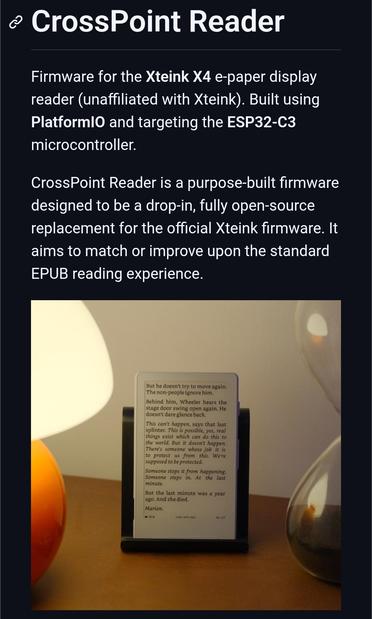
CrossPoint Reader is an open-source replacement firmware for the Xteink X4 e-paper reader.

It adds EPUB support, customizable layouts, Wi-Fi uploads, OTA updates, KOReader Sync integration, and gives users full control over their device.

Built for the ESP32-C3, it transforms a closed e-reader into a fully hackable, community-driven reading platform.

More details: https://digitalescapetools.com/tools/tool.html?id=crosspoint-reader

#OpenSource #Privacy #ESP32 #EPaper #SelfHosted #DigitalMinimalism

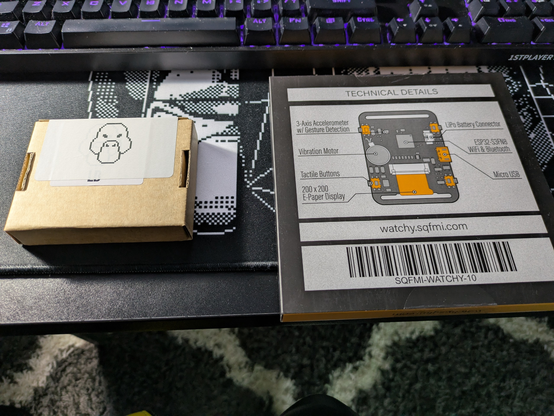
Recently arrived.

I need a watch. Haven't worn one in over 10 years because I'd just check my cellphone instead, and I normally just wear a leather wrist cuff bracelet in its place. But it's time for a change.

https://watchy.sqfmi.com/

#epaper #epaperwatch #watchy

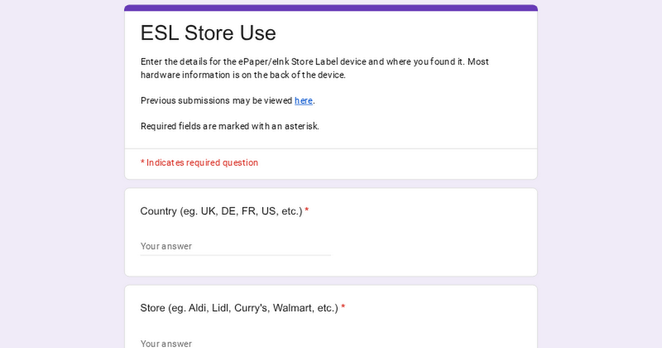
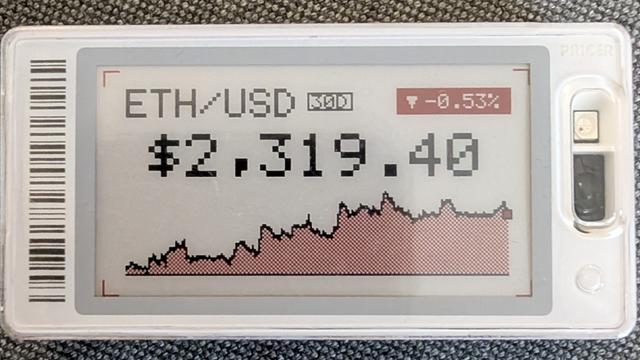
Here's a thing, I'm curious to find out more about what particular #ePaper / #eInk #ESL (electronic shelf labels) are in use in different stores around the world, and make that available as a resource to others.

With this in mind I've created this Google Form for people to submit details of what they've found in their local stores.

Add your submissions here:
https://forms.gle/kdbYSGQ4NL9HtCrS9

There's a link from the form to view previous submissions, for you to use however you wish.

Please boost!

ESL Store Use

Enter the details for the ePaper/eInk Store Label device and where you found it. Most hardware information is on the back of the device. Previous submissions may be viewed here. Required fields are marked with an asterisk.

Google Docs
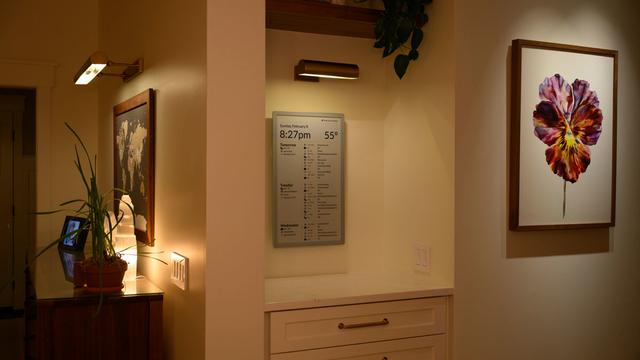
E-paper Dashboard Reimagines Smart Home’s Connection With Technology

When [Joel] and his partner got married, they had a goal to create a home with a healthy relationship to technology, which largely means avoiding smartphone use. Smartphones aren’t without th…

Hackaday
TagTinker Lets You Hack Electronic Shelf Labels

Was there ever anything wrong with simple paper price labels? Absolutely not. And yet, the world invented the electronic price tag anyway. If you happen to come across some of these devices and wan…

Hackaday
TagTinker Lets You Hack Electronic Shelf Labels

Was there ever anything wrong with simple paper price labels? Absolutely not. And yet, the world invented the electronic price tag anyway. If you happen to come across some of these devices and wan…

Hackaday

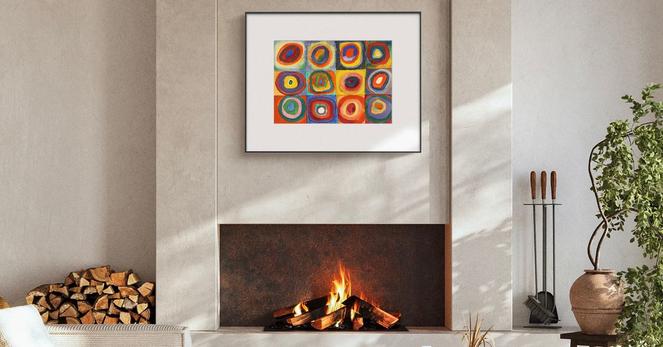
InkPoster Tela 28.5 Review: A Luxe Home Digital Frame

https://fed.brid.gy/r/https://www.wired.com/review/inkposter-tela/

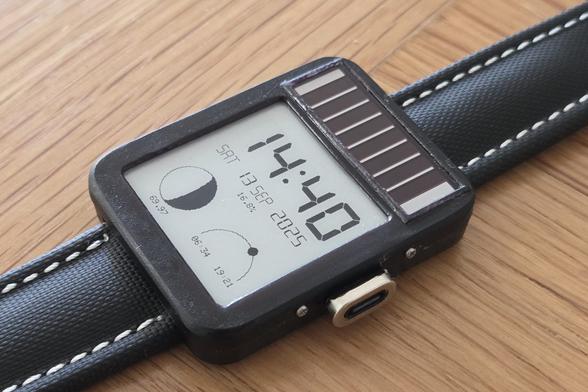
LightInk – An ESP32-based, solar-powered E-ink smartwatch with up to 10 months of battery life

Daniel Ansorregui has developed LightInk, an open-source solar-powered E-ink watch inspired by 90s solar digital watches. It features a 1.54-inch e-paper display and supports Wi-Fi, Bluetooth, LoRa, and GPS, running on a 100mAh battery. The project integrates a custom low-quiescent-power design using a TPS63900 buck-boost converter, capacitive-touch input, and deep-sleep-driven firmware, along with ultra-fast partial e-ink updates (<1 ms active time) and precise RTC timekeeping with drift calibration. It also supports solar-first operation (no dedicated charging IC) and dynamic power gating of peripherals, enabling around 9–10 months of operation on a small battery supplemented by solar power. LightInk specifications: System-in-package - ESP32-PICO-D4 SiP CPU - Dual-core processor @ 240MHz Memory - 520KB SRAM Storage - 4MB flash Wireless - 2.4 GHz Wi-Fi 4 up to 150 Mbps and Bluetooth 4.2 BR/LE connectivity Display – 1.54-inch 200×200 B/W e-Paper panel (GDEH0154D67 or compatible) Audio - 10-15mm piezo electric disc speaker Connectivity

CNX Software - Embedded Systems News