PBS NewsHour - The Latest | Utility board elections face surge of attention as electricity rates rise by Marc Levy, Associated Press, Kim Chandler, Associated Press, Jonathan J. Cooper, Associated Press
TEMPE, Ariz. (AP) — Rising household electricity prices and controversy over data centers are reshaping low-profile elections for control over utilities that build power plants and power lines — and then bill people for the cost. The tensions played a prominent role during last year's elections in Georgia, New Jersey and Virginia, and now they're sweeping through Arizona and Alabama, where once-sleepy contests are becoming political brawls. Even national groups like Turning Point Action — better known for its role mobilizing young conservatives behind President Donald Trump — are getting involved by knocking on doors and texting campaign messages. The organization wants to curb environmentalists' influence over the Phoenix-area Salt River Project, the largest public utility in the country, in a Tuesday election. The skirmishes are a preview for more campaigns later this year, when at least a half-dozen states will hold elections for utility regulators. That includes Georgia, where a second-straight hotly contested campaign is anticipated. The burst of attention is dragging the behind-the-scenes politics of elected utility commissioners — long dominated by power brokers or monopolistic companies, critics say — into an intensely national debate over how to power artificial intelligence without driving up electricity costs. "And that means suddenly there's all this pressure," said Dave Pomerantz of the Energy and Policy Institute, which pushes utilities to keep rates low and use renewable energy sources.
In Tuesday's election that will determine control of Salt River Project, more than three times as many people requested early ballots than two years ago. Yard signs pepper street corners and ratepayers — they must own land to vote — are getting text messages, fliers and door-knockers. The utility has already been under pressure to reduce its reliance on fossil fuels like coal and natural gas that emit planet-warming greenhouse gases. But now campaign organizations are converging on the race as the fast-growing Phoenix area becomes a destination for data centers and semiconductor factories. The utility projects that it will need to double its power capacity within a decade. Two rival slates are vying for the board's majority. One is backed by Turning Point Action, which wants to stop "radical environmentalists." The other is supported by the Jane Fonda Climate PAC, which is opposing "oil-loving candidates." Also involved are local chapters of progressive groups, energy interests, construction firms and data center developers. "If they want to just overnight switch us to solar, there's a reliability issue, there's a cost issue there, and we just can't keep up," said Jimmy Lindblom, a construction executive who formed the business-backed Arizonans for Responsible Growth. "We'd have blackouts. And so these things are really important to the growth of Arizona." Turning Point Action is putting its muscle behind the Arizonans for Responsible Growth slate. They're also using the election to build momentum ahead of this year's midterms in the battleground state. The slate running as the "clean energy" team said Salt River Project's current majority is too eager to hook up to natural gas, raise rates and embrace data centers. They also said the board is too dismissive of clean energy technologies to meet spiking demand and offers no incentives to install solar panels. "It's insane, especially now," said Randy Miller, a clean energy advocate on SRP's board. About a dozen supporters gathered around picnic tables last week at a park in Tempe, arriving as the sun set to canvass for voters who had requested ballots but not returned them. After a brief pep talk, they fanned out. Some voters were bothered by Turning Point's involvement. "Very, very, very troublesome," said Laura Kajfez, a 66-year-old retiree from Tempe. "We don't need that intervention in our local politics. We have enough problems as it is." In the last two elections, an averag
[Text truncated due to length]
Read more: https://www.pbs.org/newshour/politics/utility-board-elections-face-surge-of-attention-as-electricity-rates-rise
#electricityrates #utilities #vote2026 #alabamapublicservicecommission
 N-gated Hacker News
 CBC Ottawa
 CBC Manitoba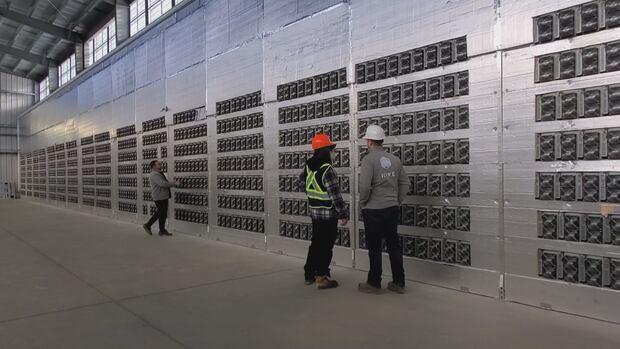
 CBC New Brunswick
 Global News New Brunswick
 The Bad Place
 Marcus Schuler
 Home - Inside Climate News
 Byrnejmf
 Tina M Casey