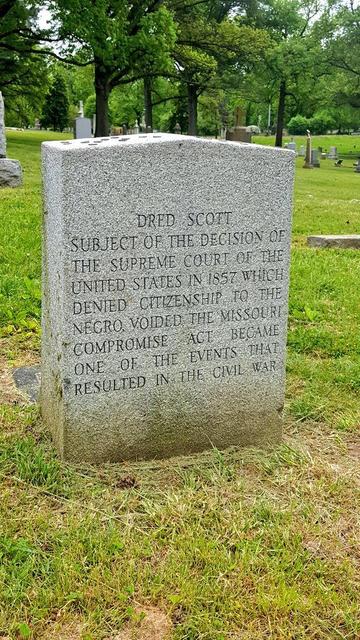
March 6, 1857 - The U.S. Supreme Court handed down the Dred Scott decision (Dred Scott v. Sandford) which declared that an escaped slave, Scott, could not sue for his freedom in federal court because he was not a citizen. Those of African descent could never be considered citizens but “as a subordinate and inferior class of beings,” according to the Court.
Chief Justice Roger Taney stated in his opinion that the “unhappy Black Race. . . had no rights which the white man was bound to respect; and that the negro might justly and lawfully be reduced to slavery for his benefit. He was bought and sold and treated as an ordinary article of merchandise and traffic, whenever profit could be made by it.”
#DredScott
 getmisch
 Miss Kitty 🌈🌈🌈
 Home • Missouri Independent [Unofficial]
 John Autry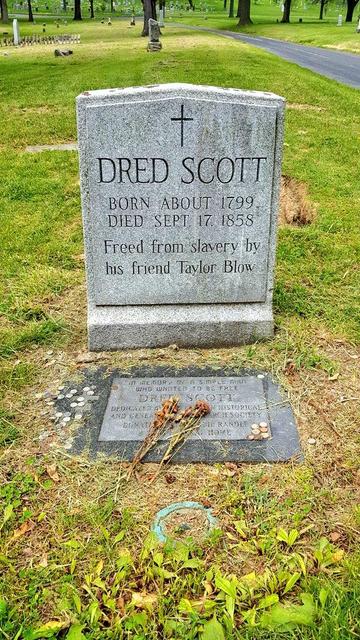
 Ciarán Fahey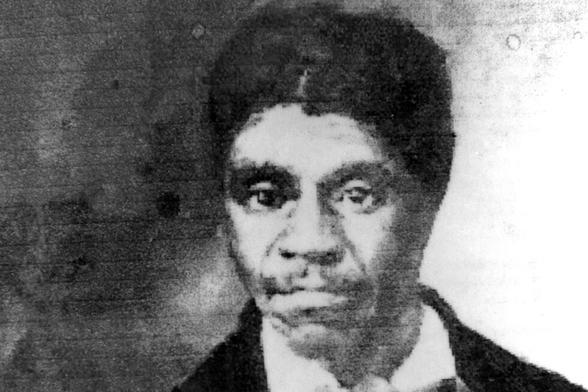
 MikeDunnAuthor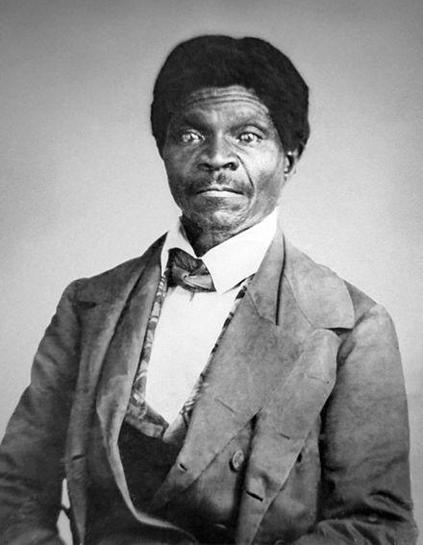
 Liam O'Mara IV, PhD
 Alice Dubiel 🔬💉🦠😷🌬☮️
 Lyle Solla-Yates