0tracas🐸
 MikeDunnAuthor
Today in Labor History April 25, 1974: The Armed Forces Movement (MFA - Movimento das Forças Armadas) began its revolt against the senile Salazar dictatorship in Portugal. Known as the Revolução dos Cravos ("Carnation Revolution"), the uprising ended the 48-year fascist dictatorship. There had been courageous underground resistance going on for decades against the regime, and against PIDE, the hated secret police, but fascism ultimately collapsed under its own weight in Portugal. Ongoing wars abroad to suppress independence movements in its colonies had led to overwhelming hostility to the regime by members of its armed forces, and their families. And decades of repression and terror had primed the rest of society. So, when a group of military officers rebelled, spontaneous civilian demonstrations erupted almost immediately, turning the military coup into a popular revolution led by radical army officers, soldiers, workers and peasants, socialists and communists.
In the immediate aftermath, most of Portugal’s former colonies won independence (e.g., Guinea-Bissou, followed by Cape Verde, Mozambique, São Tomé and Príncipe, and Angola, in Africa, as well as East Timor, in the Pacific). 1 million Portuguese living abroad returned home after this. The Carnation Revolution got its name because of the carnations people placed in the soldiers’ gun muzzles and on their uniforms.
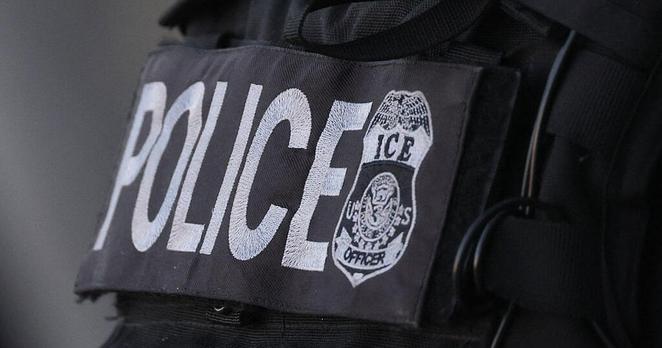
PIDE originally began as a border and immigration police force, much like ICE, in the U.S. It was transformed under the dictatorship into a political and social surveillance agency, spying on, attacking, and imprisoning Portuguese citizens.
The Aljube Museum of Resistance and Liberty, in the heart of Lisbon, is housed in PIDE’s old political prison. The museum shares the history of antifascist resistance to the dictatorship, as well as the independence struggles in Portugal’s former colonies. There are exhibits on how censorship was enforced under the dictatorship and, more importantly, the significance of the underground press in the resistance, with lots of examples of underground zines, pamphlets, and newspapers. There are exhibits on the organization and actions of the antifascist movement, and how women and men sacrificed their freedom, and sometimes their lives, in the struggle. There are exhibits on the prisons and concentration camps, torture and interrogation. And plenty of exhibits on the independence movements in the colonies.
The accompanying video I shot at the Aljube Museum. From a distance, it looks like a collage of a man's face. But as you get closer, you can see that the "tiles" making up the collage are actually photos of various political prisoners and victims of the fascist regime.
#workingclass #LaborHistory #fascism #dictatorship #portugal #carnationrevolution #coup #revolution #antifascism #colonialism #independence #censorship #torture #prison #concentrationcamps
 William Lindsey
 PugJesus
 Bongolian
 Lazarou Monkey Terror 🚀💙🌈
 Mx_EddyNikko
 Mike McCaffrey
 John
John 



 JL Roberson