 Counting Is Hard
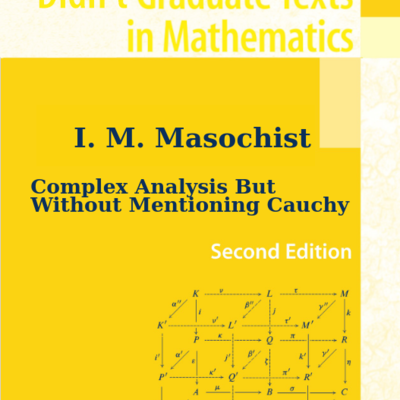
I was without access to the internet for most of the past few days, so I wrote a blog post about lambda calculus and regular languages.
https://www.countingishard.org/blog/a-lesser-known-characterisation-of-the-regular-languages
I was without access to the internet for most of the past few days, so I wrote a blog post about lambda calculus and regular languages.
https://www.countingishard.org/blog/a-lesser-known-characterisation-of-the-regular-languages
🧠 “Is #Intelligence a mathematical structure?”🔢 – #Zoomposium with #GittaKutyniok
The key to the next generation of intelligent systems – On computability, limitations, and the future of AI
📎https://philosophies.de/index.php/2026/04/24/intelligenz-mathe-struktur/
#ArtificialIntelligence #AI #Mathematics #NeuralNetworks #DeepLearning #MachineLearning #Intelligence #CognitiveScience #MathematicsAndAI #AIResearch #ExplainableAI #Computability #NeuromorphicComputing #Science
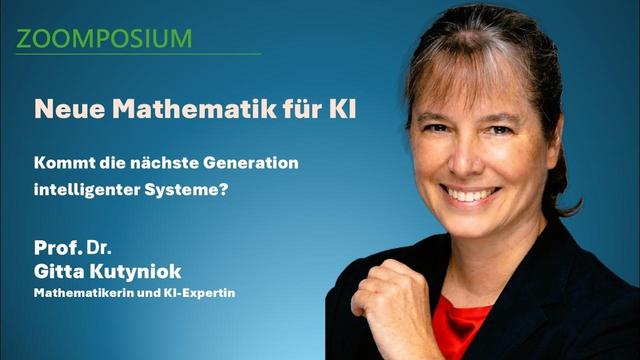
🧠 „Ist #Intelligenz eine mathematische Struktur?“🔢– #Zoomposium mit #GittaKutyniok
Der Schlüssel zur nächsten Generation intelligenter Systeme – Über Berechenbarkeit, Grenzen und die Zukunft der KI
📎https://philosophies.de/index.php/2026/04/24/intelligenz-mathe-struktur/
#KünstlicheIntelligenz #KI #ArtificialIntelligence #Mathematik #NeuronaleNetze #DeepLearning #MachineLearning #Intelligenz #CognitiveScience #MathematikUndKI #AIResearch #ExplainableAI #Computability #NeuromorphicComputing #Wissenschaft
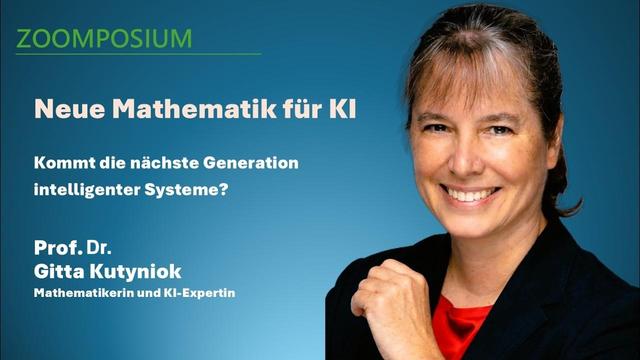
🧠 “Is #Intelligence a mathematical structure?”🔢 – #Zoomposium with #GittaKutyniok
The key to the next generation of intelligent systems – On computability, limitations, and the future of AI
📎https://philosophies.de/index.php/2026/04/24/intelligenz-mathe-struktur/
#ArtificialIntelligence #AI #Mathematics #NeuralNetworks #DeepLearning #MachineLearning #Intelligence #CognitiveScience #MathematicsAndAI #AIResearch #ExplainableAI #Computability #NeuromorphicComputing #Science
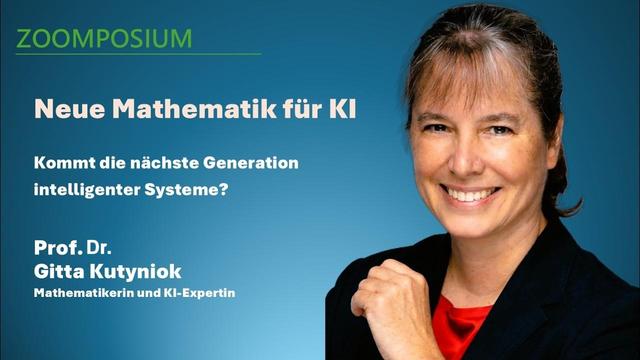
🧠 „Ist #Intelligenz eine mathematische Struktur?“🔢– #Zoomposium mit #GittaKutyniok
Der Schlüssel zur nächsten Generation intelligenter Systeme – Über Berechenbarkeit, Grenzen und die Zukunft der KI
📎https://philosophies.de/index.php/2026/04/24/intelligenz-mathe-struktur/
#KünstlicheIntelligenz #KI #ArtificialIntelligence #Mathematik #NeuronaleNetze #DeepLearning #MachineLearning #Intelligenz #CognitiveScience #MathematikUndKI #AIResearch #ExplainableAI #Computability #NeuromorphicComputing #Wissenschaft
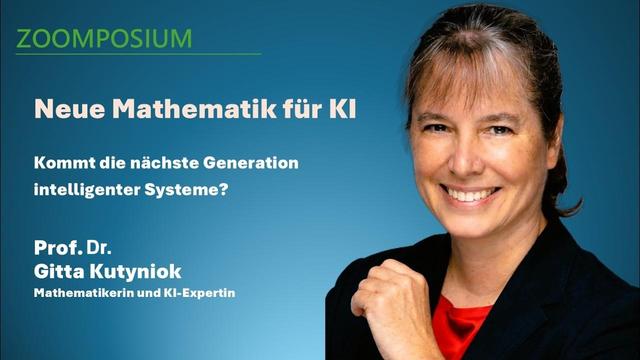
🧠 “Is #Intelligence a mathematical structure?”🔢 – #Zoomposium with #GittaKutyniok
The key to the next generation of intelligent systems – On computability, limitations, and the future of AI
📎https://philosophies.de/index.php/2026/04/24/intelligenz-mathe-struktur/
#ArtificialIntelligence #AI #Mathematics #NeuralNetworks #DeepLearning #MachineLearning #Intelligence #CognitiveScience #MathematicsAndAI #AIResearch #ExplainableAI #Computability #NeuromorphicComputing #Science
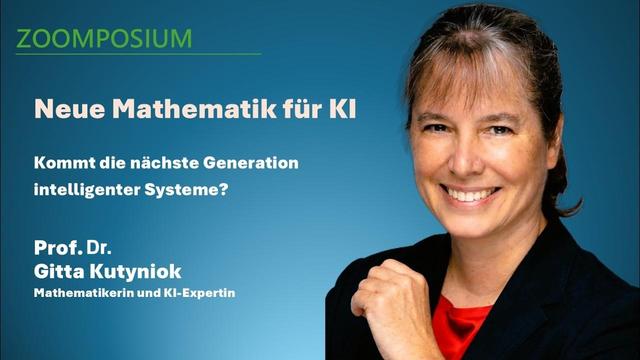
🧠 „Ist #Intelligenz eine mathematische Struktur?“🔢– #Zoomposium mit #GittaKutyniok
Der Schlüssel zur nächsten Generation intelligenter Systeme – Über Berechenbarkeit, Grenzen und die Zukunft der KI
📎https://philosophies.de/index.php/2026/04/24/intelligenz-mathe-struktur/
#KünstlicheIntelligenz #KI #ArtificialIntelligence #Mathematik #NeuronaleNetze #DeepLearning #MachineLearning #Intelligenz #CognitiveScience #MathematikUndKI #AIResearch #ExplainableAI #Computability #NeuromorphicComputing #Wissenschaft
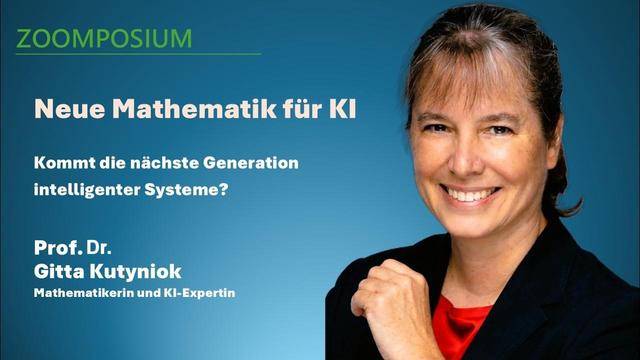
🧠 “Is #Intelligence a mathematical structure?”🔢 – #Zoomposium with #GittaKutyniok
The key to the next generation of intelligent systems – On computability, limitations, and the future of AI
📎https://philosophies.de/index.php/2026/04/24/intelligenz-mathe-struktur/
#ArtificialIntelligence #AI #Mathematics #NeuralNetworks #DeepLearning #MachineLearning #Intelligence #CognitiveScience #MathematicsAndAI #AIResearch #ExplainableAI #Computability #NeuromorphicComputing #Science
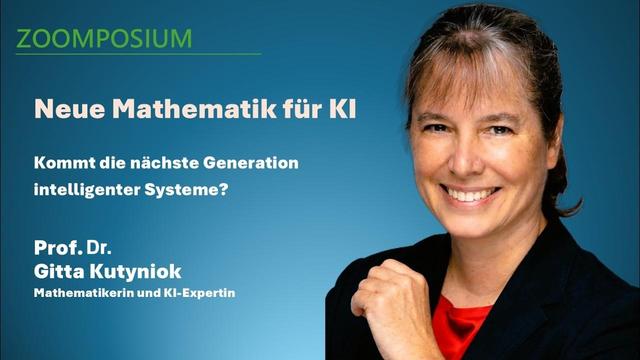
🧠 „Ist #Intelligenz eine mathematische Struktur?“🔢– #Zoomposium mit #GittaKutyniok
Der Schlüssel zur nächsten Generation intelligenter Systeme – Über Berechenbarkeit, Grenzen und die Zukunft der KI
📎https://philosophies.de/index.php/2026/04/24/intelligenz-mathe-struktur/
#KünstlicheIntelligenz #KI #ArtificialIntelligence #Mathematik #NeuronaleNetze #DeepLearning #MachineLearning #Intelligenz #CognitiveScience #MathematikUndKI #AIResearch #ExplainableAI #Computability #NeuromorphicComputing #Wissenschaft
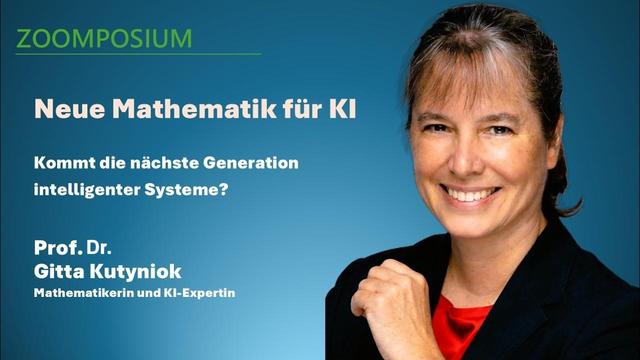
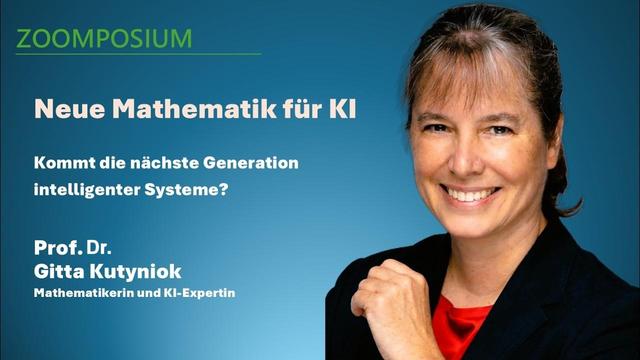
🧠 “Is #Intelligence a mathematical structure?”🔢 – #Zoomposium with #GittaKutyniok
The key to the next generation of intelligent systems – On computability, limitations, and the future of AI
📎https://philosophies.de/index.php/2026/04/24/intelligenz-mathe-struktur/
#ArtificialIntelligence #AI #Mathematics #NeuralNetworks #DeepLearning #MachineLearning #Intelligence #CognitiveScience #MathematicsAndAI #AIResearch #ExplainableAI #Computability #NeuromorphicComputing #Science
 Philo Sophies
 Philo Sophies
 Philo Sophies
 Philo Sophies
 Philo Sophies