#India - How to Make #Lime From Scratch
December 2018
"How did they create their own #QuickLime?
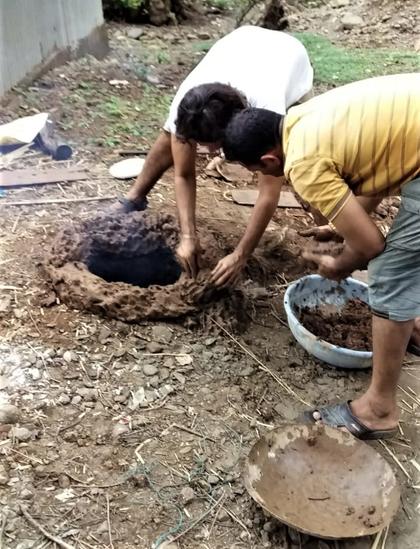
"First Gautam and his friends built the kiln out of cob (see above). Next, he collected a bunch of oyster and clam shells from seafood sellers. You don't crush the shells, they are left whole so they are easy to identify post burning, because the entire burned shell will be converted into #CalciumOxide or pure lime.
" 'Research stated the shells needed to be fired between 800-1200℃. Any less and it wouldn't have the reaction that turns it into lime, and any more would melt the shells,' he informed us.
"I asked him how he measured the temperature. 'Figuring out the temperature was tricky at first, but luckily a professional potter friend came to the rescue and we used a thermocouple to measure the temperature for the first two trials. After that it became easier because then I knew it took between 40-60 mins to achieve that 800-1200 degrees required for my kiln.'
Making Lime from Scratch - An Overview
1. Build a kiln from cob, or some other material that can stand 1000 degrees heat.
2. Collect some oyster/clam shells, or limestone (see video below).
3. Light a fire in your kiln and add your limestone/shells. Get the temperature up to between 800 and 1200 degrees.
4. Extract the shells (if using) and put them in a vat.
5. Put on protective clothing (mask, goggles, gloves, onesie etc)
6. Add warm water to the burned shells and watch the mixture bubble and throth. Be careful. Lime is caustic and can burn.
7. The longer you leave that substance slaking (submerged in plenty of water), the better quality lime you get."
https://www.themudhome.com/mudbuilding/how-to-make-lime-from-scratch
#SolarPunkSunday #DIY #ClamShells #OysterShells #CobBuilding #CobKiln #Kilns #Seashells #SeashellLime
 DoomsdaysCW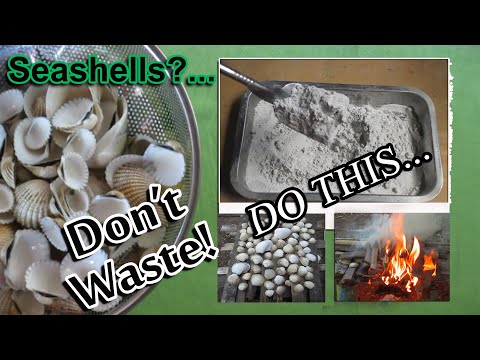
 tech news ᳇ eicker.news
 Ms. Que Banh
 Edge
Edge Anaphory