 Lasse Beyer
 BootlegPotato
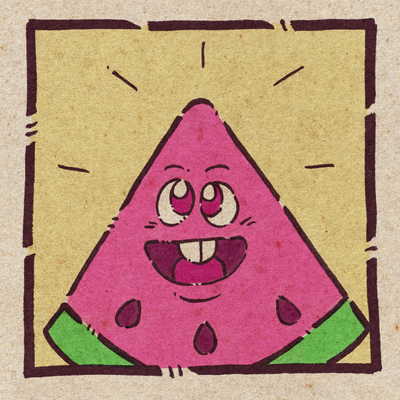
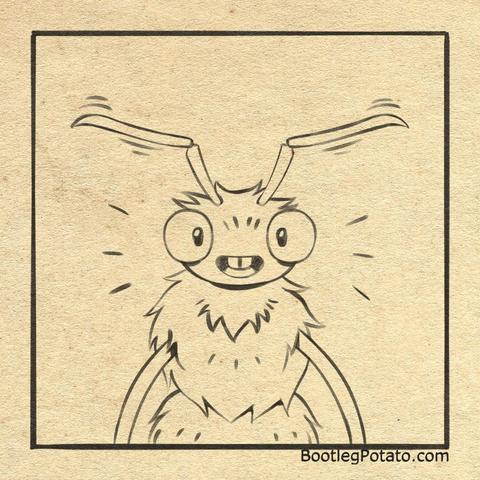
JuneBug day 4: Velvet Ant.
I don't know anything about these ants. But this one looks chill.
@bielsubob some more photos and background here:
https://www.thewildernessproject.org/news/cassai-life-atlas
https://www.discoverwildlife.com/animal-facts/lisima-plateau-angola
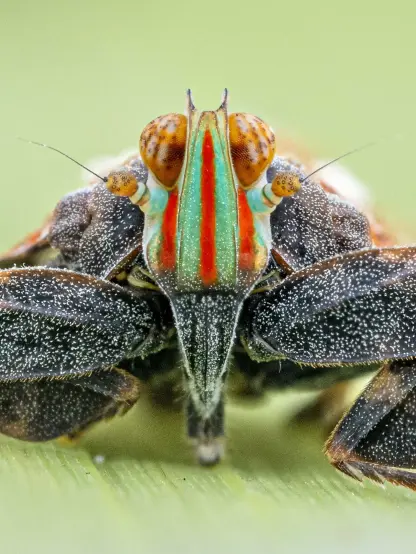
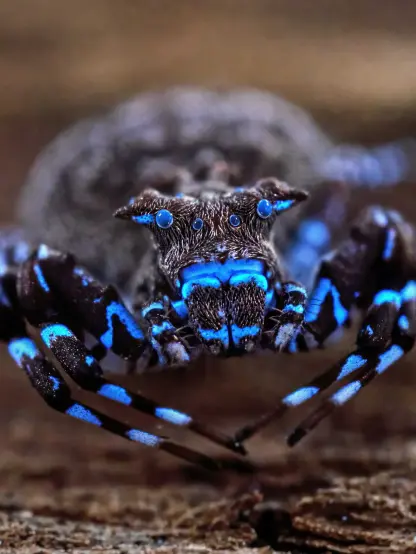
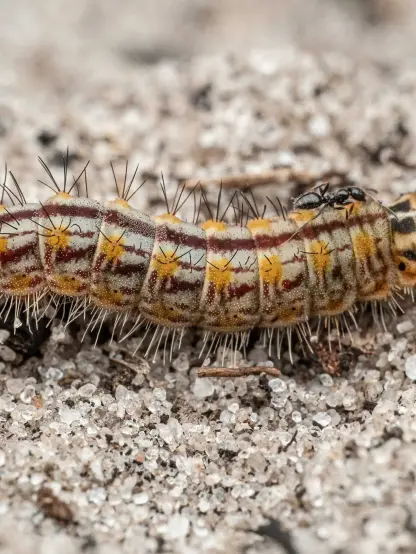
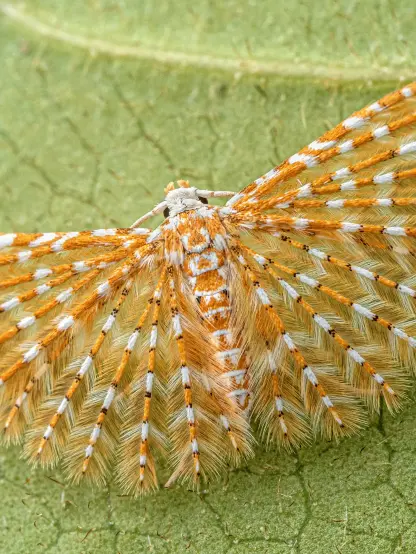
JuneBug day 4: Velvet Ant.
I don't know anything about these ants. But this one looks chill.
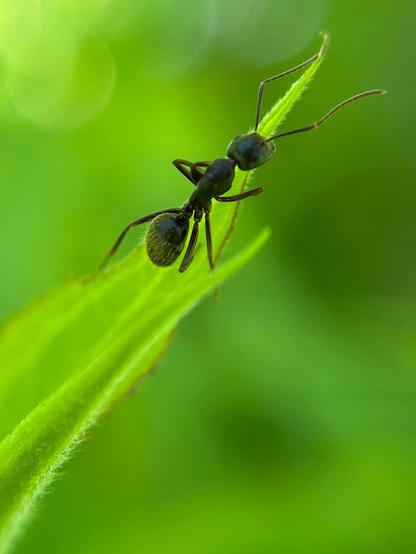
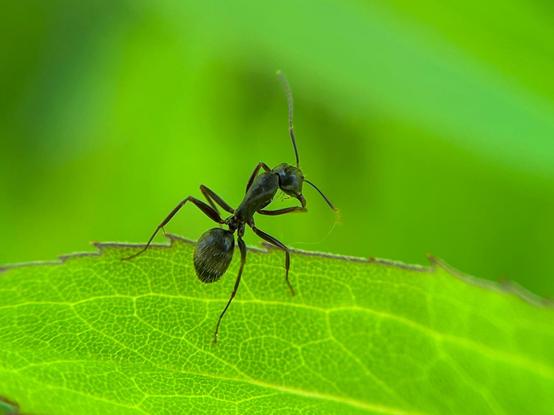
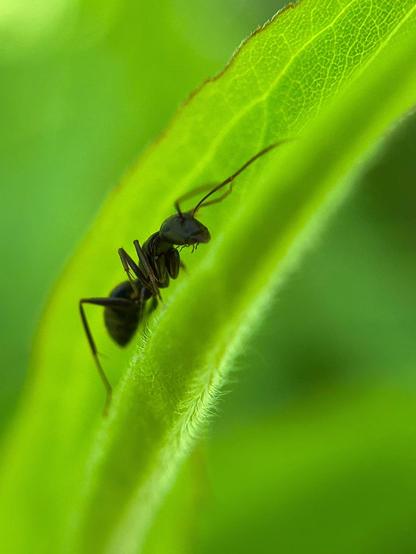
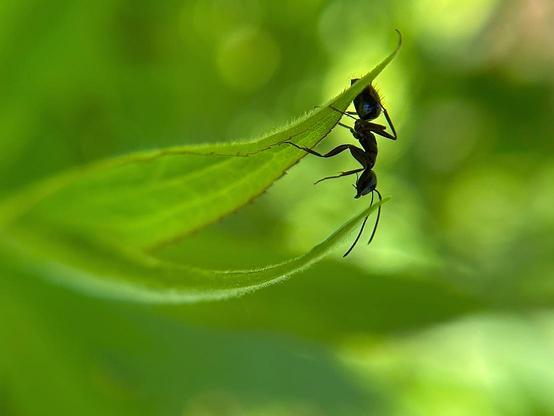
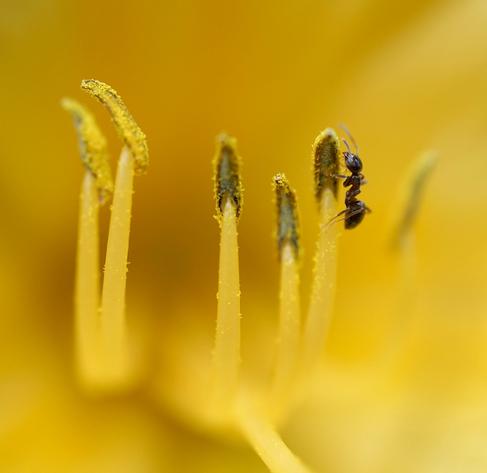
This black carpenter ant (Camponotus pennsylvanicus) was very busy exploring a leafy plant, but I was still able to get some glamor shots with my macro lens:
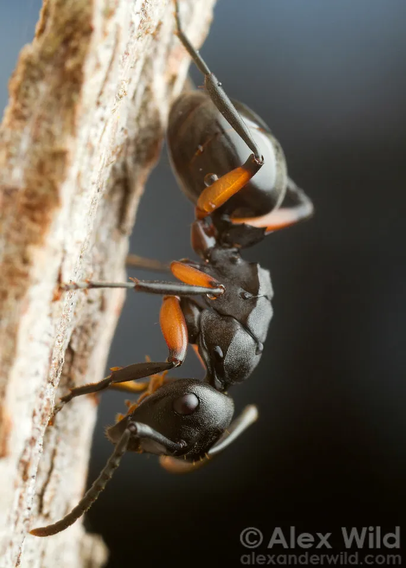
I recently learned that this Aussie ant species, Polyrhachis femorata, plays possum when threatened. But not just as individual ants.
The entirely colony self-contorts into death poses and just lays there like the aftermath of a creepy ant suicide cult.
#ants #science #Polyrhachis #insects
https://connectsci.au/zo/article/70/4/126/43567/Polyrhachis-femorata-Hymenoptera-Formicidae
Sometimes it's really obvious!
I show that in this video I made. You can see their gasters expanding as they drink. When they return to the colony they share the sugar water with the younger ants and queen. #antvideo #ants #coneants #Dorymyrmex
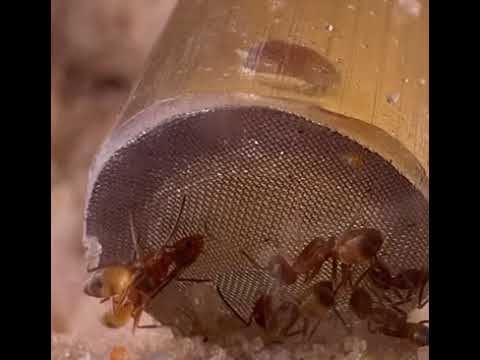
.
This book implies that all life on earth is diverse brain cells in one planetary connected brain. That evolution and the natural environment are interconnected influences. In Canada, you have #beavers who alter the landscape, etc.
.
.
"For most of human history, the need to eke out a living from the earth kept over 90 percent of the human population in the countryside. But once a small number could produce food for multitudes, a formerly repressed desire went hog-wild—our urge to cram together. Today, more than 75 percent of Europeans and North Americans have crowded into cities. In Belgium the figure tops 95 percent. This lust for company has hit the developing world even harder. In a measly two generations, Mexico’s urban congregants have leaped from 25 percent to 70 percent of the population. And Tokyo is now jammed with 27 million human beings, roughly three times the worldwide number of hominids alive at even the lushest moment of the Paleolithic age. This may be very well and good among bacteria, #ants , and bees, but we are noble vertebrates. Why do we have this passion for gathering?"
.
"A naturalist named V. C. Wynne-Edwards, however, had already observed the effects of these phenomena au naturel. Most species in the wild are not isolated by a cage, but live as part of a herd, a flock, a colony, or a pack. Edwards studied communities of wild grouse in the Scottish moors. Here, punishments and rewards were handed out not by scientists, but by wind, rain, other grouse, and by poultry-loving prowlers of all kinds. Male grouse who mastered their surroundings and were socially adept managed to corner the best food and the largest plots of real estate. In the process, they became strong and self-confident. Those less able to forage successfully or to grab a large plot of land became droopy, dispirited, and unkempt. Weakened, they entered the seasonal competition for females, attempting to outdo their problem-mastering flockmates in tournaments of ferocity and of fancy display. Each morning they erected the combs on their heads in a feeble manner which showed their lack of confidence, fluttered in the air with as much flash as they could muster, battled for control of land, and usually lost. Their failure to find a way to dominate their natural environment led to a corresponding failure to gain control in their social milieu. By winter’s end, almost all of the losing red grouse were dead … victims, says Wynne-Edwards, of “the after-effects of social exclusion.” The triumphant birds, on the other hand, were rewarded with avian harems and patches of land not only rich in food, but heavily fortified by high heather plants against passing predators."
.
― Howard Bloom, Global Brain: The Evolution of Mass Mind from the Big Bang to the 21st Century
Published August 2000
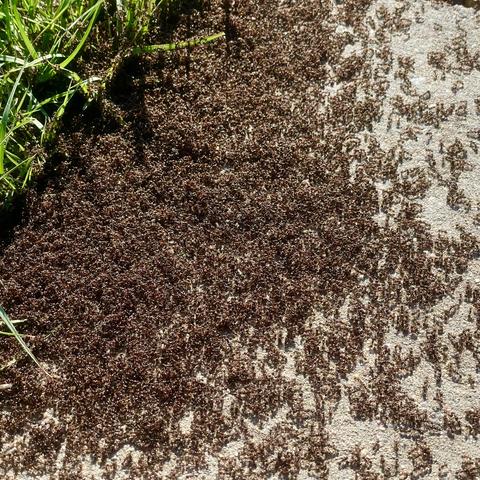
In a new chapter in my ants' saga (I've been thinking about making a specific hashtag so it is easier to follow/mute, suggestions are welcome), today I'm about to connect their ant farm to their first expansion. I originally thought they would take longer to need it, but last Friday I counted 13 workers, so their foundational ant farm will be getting too small quite soon, based on the rhythm they've been growing at.
Based on my calculations, this expansion will triple their living space and quintuple their foraging area, so with a bit of luck it will last until the end of summer (fingers crossed).
 Willa
Willa 

 Alex Wild
 myrmepropagandist
 Stephen Gutknecht
 Jeff Gamet
 Vincent de Waleffe
 Guillermo Rivera
 Coprolite9000 - Pixelfed