 head2toemag
The 14th Amendment: Why Efforts to Reverse It Could Reshape America
The Fourteenth Amendment to the United States Constitution is one of the most powerful and transformative amendments in American history. Ratified in 1868 after the Civil War, it was created to ensure that formerly enslaved Black Americans were recognized as full citizens under the law. In addition, it protected them from discrimination by state governments.
Today, debates surrounding the 14th Amendment have reentered the national spotlight, especially around birthright citizenship, equal protection, and federal authority. Some conservative political leaders and legal activists have argued for reinterpretations or in some cases reversals of portions of the amendment. At the same time, critics believe these efforts could have serious consequences for civil rights, democracy, and the balance of constitutional protections in America.
What Is the 14th Amendment?
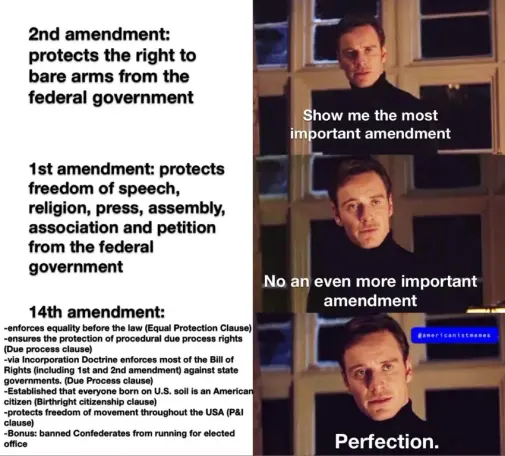
The 14th Amendment contains several important clauses, but three are especially significant:
Citizenship Clause
This clause states that anyone born or naturalized in the United States is a citizen of the United States.
This established what is commonly known as “birthright citizenship,” preventing states from denying citizenship to formerly enslaved people and their descendants.
Due Process Clause
This protects individuals from being deprived of life, liberty, or property without fair legal procedures.
Equal Protection Clause
This requires states to provide equal protection under the law to all people.
This clause became the constitutional foundation for many major civil rights victories in American history.
Why the Amendment Matters So Much
The 14th Amendment has been used in landmark Supreme Court decisions involving:
- School desegregation
- Voting rights
- Marriage equality
- Civil rights protections
- Women’s rights
- Immigration issues
- Criminal justice protections
The 14 Amendment is needed
Without the 14th Amendment, many of the legal protections Americans now consider fundamental would not exist in the same way. For Black Americans in particular, the amendment represented a direct response to slavery. It also addressed the refusal of many Southern states to recognize freed Black people as equal citizens after the Civil War.
Many critics argue that efforts to weaken or reinterpret the 14th Amendment are deeply tied to America’s long history of racial exclusion. In addition, they link these efforts to attempts to limit who is considered fully protected under the Constitution.
Some Republicans and conservative legal scholars argue that parts of the amendment have been interpreted too broadly over time. One of the biggest current debates involves birthright citizenship. Specifically, some conservatives claim that children born in the United States to undocumented immigrants should not automatically receive citizenship.
Others argue that the Equal Protection Clause has allowed the federal government to interfere too heavily with states’ rights. Conservative constitutionalists often push for a stricter or more “originalist” interpretation of the Constitution. They believe courts have expanded the amendment beyond what its framers intended.
However, critics point out that the 14th Amendment was created specifically to protect formerly enslaved Black Americans from discrimination and unequal treatment after the Civil War. Because of that history, many people view attempts to weaken its protections as more than just political or legal disagreements. Furthermore, they see them as part of a broader pattern of rolling back civil rights protections that primarily benefit marginalized communities.
For many Americans, especially Black Americans, the fear is not simply about constitutional interpretation. Rather, it is about whether the country is slowly moving backward on issues of equality, citizenship, and civil rights.
The Political Divide
Supporters of revisiting the amendment often frame the debate around immigration enforcement, constitutional originalism, and states’ rights.
Opponents frame it as a civil rights issue and believe attempts to weaken the amendment disproportionately affect marginalized communities, especially Black and immigrant populations.
The debate reflects a larger national struggle over:
- Who is fully protected under the Constitution
- How much power states should have
- How America defines citizenship and equality
Why This Conversation Matters
The 14th Amendment is more than a legal document—it represents one of America’s biggest attempts to correct historic injustice.
For many people, especially within the Black community, discussions about limiting or weakening it feel deeply personal. This is because the amendment was specifically designed to guarantee citizenship and equal protection after centuries of slavery and discrimination.
Whether people support reinterpretation or strongly oppose it, the debate reveals how constitutional law continues to shape everyday life in America.
The 14th Amendment remains one of the cornerstones of American democracy. Any effort to reinterpret, weaken, or reverse parts of it carries enormous legal, political, and social consequences.
Supporters of change argue they are protecting constitutional integrity and border enforcement. Meanwhile, critics argue the risks are far greater, warning that weakening the amendment could destabilize civil rights protections that generations fought to secure.
Regardless of political affiliation, understanding the history and impact of the 14th Amendment is essential because its protections affect nearly every American today.
Quick lesson:
s the 14th Amendment Part of the Bill of Rights?
No. The 14th Amendment is not part of the Bill of Rights.
The Bill of Rights refers to the first 10 amendments to the U.S. Constitution, which were ratified in 1791. These amendments protect individual freedoms such as freedom of speech, religion, and the right to a fair trial.
The 14th Amendment was added much later in 1868 after the Civil War during the Reconstruction Era. It was created to protect formerly enslaved Black Americans by granting citizenship, equal protection under the law, and due process rights.
The amendment became one of the most important constitutional protections in American history because it expanded civil rights and helped ensure that states could not deny people equal treatment under the law.
#14thAmendment #BillOfRights #civilRights #civilRightsMovement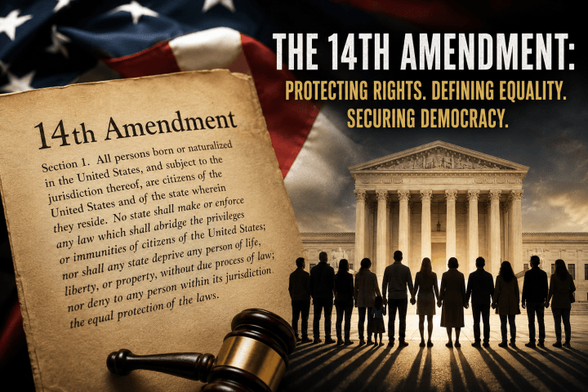
 MusiqueNow ✡️ 🇵🇸 🌍
 Voteinorout 🇺🇸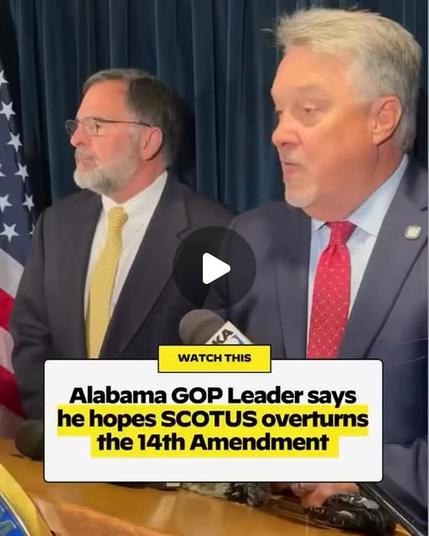
 Techdirt [Unofficial]

 Scott 🇮🇱🇺🇦 WILL NOT COMPLY
 PugJesus