 @
@Why does everything suck
https://bsky.app/profile/stevenmazie.bsky.social/post/3mndx2dnu3k2l
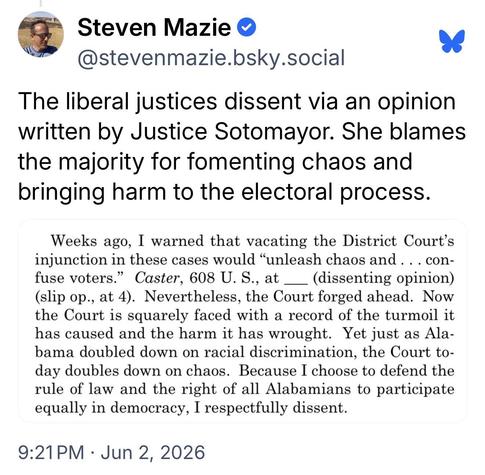
Why does everything suck
https://bsky.app/profile/stevenmazie.bsky.social/post/3mndx2dnu3k2l
Unreal
#SCOTUS allows #Alabama to use #GOP-friendly map for #midterms, cutting seat held by #Black #Democrat
#law #redistricting #gerrymandering #SouthernStrategy #JimCrow
https://www.cnn.com/2026/06/02/politics/supreme-court-june-trump?cid=ios_app
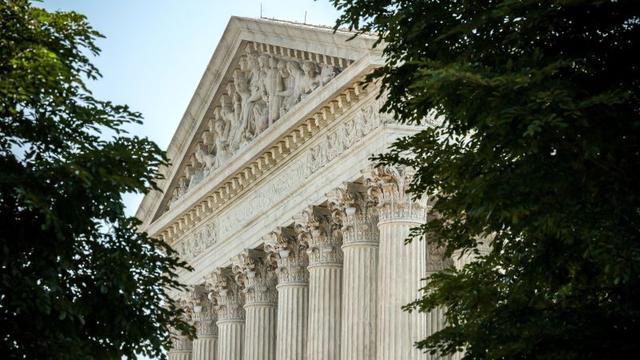
The Supreme Court on Tuesday allowed Alabama to use a congressional map that will benefit Republicans in this year’s midterm elections, permitting the state to ditch one of two House districts represented by a Black member of Congress who is also a Democrat.


> It’s been just over a month since the US Supreme Court gutted what remained of the Voting Rights Act, and the fallout has been staggering. Southern states have moved with alarming speed to redraw their congressional maps in time for the 2026 midterm election and in the process moved to eliminate majority-Black and Democratic districts in Louisiana, Tennessee, Florida, and Alabama.
To help make sense of the Supreme Court’s decision, the fallout from it, and what people are doing to counter it, I’d like to invite you to join our timely online discussion on Tuesday, June 9, at 7 p.m. ET/4 p.m. PT with Mother Jones national voting rights correspondent Ari Berman and Supreme Court reporter Pema Levy. You can register for the discussion here.
#motherjones #scotus #votingrightsact #louisiana
#Tennessee #florida
#alabama #supremecourt
#ariberman #pemalevy
#midterms2026 #midtermelections
#uspol
https://motherjones.zoom.us/webinar/register/WN_F0hUCjlsQri7AQqdtvakvw

Join Mother Jones’ Supreme Court reporter Pema Levy and national voting rights correspondent Ari Berman for a discussion about the Supreme Court’s decision to gut the Voting Rights Act, the fallout from it, and what people are doing to counter it. It’s been just over a month since the Supreme Court gutted what remained of the Voting Rights Act, and the repercussions have been staggering. Southern states have moved with alarming speed to redraw their congressional maps in time for the 2026 midterm election and in the process moved to eliminate majority-Black and Democratic districts in Louisiana, Tennessee, Florida, and Alabama. The discussion will be moderated by Monika Bauerlein, CEO of the Center for Investigative Reporting, which produces Mother Jones. Participants are welcome to submit written questions in advance to [email protected] or during the June 9 webinar. The discussion will run for 60 minutes, and we hope you can join us.
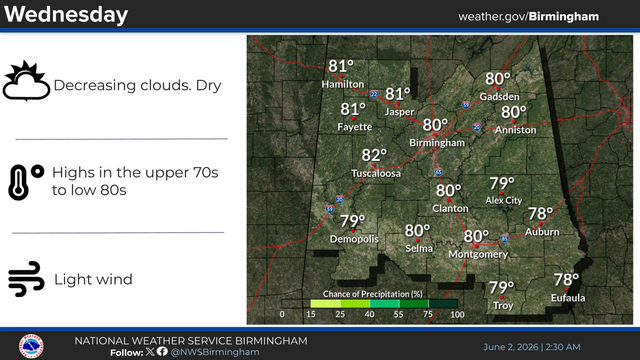
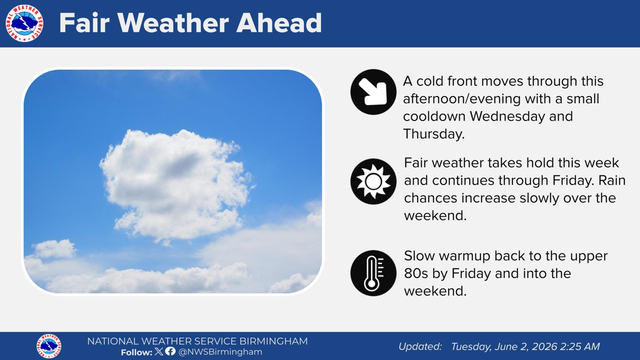
Alabama Seeks Supreme Court Stay on Blocked 2023 Congressional Map in Redistricting Case
📰 Original title: Alabama asks Supreme Court to allow congressional map that dilutes Black vote
🤖 IA: It's not clickbait ✅
👥 Users: It's not clickbait ✅
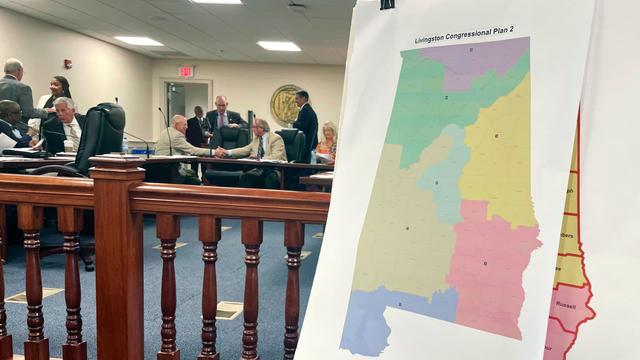
The state of Alabama has asked the U.S. Supreme Court to intervene in a dispute over its congressional district map, seeking permission to use its 2023 redistricting plan for the 2026 midterm elections. The request follows a ruling from a three-judge federal court panel in Birmingham that reaffirmed its earlier decision blocking the map, concluding that it unlawfully diluted Black voting power and amounted to intentional racial discrimination in violation of the Constitution. The panel determined that the map could not be used in upcoming elections, a ruling that marked a political and legal setback for state officials. The dispute centers on Alabama’s attempt to preserve a legislatively enacted districting plan that civil rights advocates and lower courts argue weakens the electoral influence of Black voters. The federal panel’s ruling came after it was instructed by the Supreme Court to reconsider the case in light of a recent high court decision in Louisiana v. Callais, which addressed racial gerrymandering standards. Despite that guidance, the panel maintained its conclusion that Alabama’s map remained unconstitutional. In its emergency filing, Alabama urged the Supreme Court to pause the lower court’s order, arguing that the decision misapplied legal precedent and violated the Purcell principle, which discourages courts from changing election rules close to an election. The state contends that the Louisiana ruling supports its position and claims the lower court improperly interpreted constitutional protections. The case carries significant political implications, as redistricting battles continue to shape control of the U.S. House of Representatives. Democrats have viewed the lower court ruling as a victory, while Republicans in Alabama seek to preserve their preferred map. The Supreme Court has been asked to decide on the stay request by June 1.
Alabama Seeks Supreme Court Stay on Blocked 2023 Congressional Map in Redistricting Case
📰 Original title: Alabama asks Supreme Court to allow congressional map that dilutes Black vote
🤖 IA: It's not clickbait ✅
👥 Users: It's not clickbait ✅
The state of Alabama has asked the U.S. Supreme Court to intervene in a dispute over its congressional district map, seeking permission to use its 2023 redistricting plan for the 2026 midterm elections. The request follows a ruling from a three-judge federal court panel in Birmingham that reaffirmed its earlier decision blocking the map, concluding that it unlawfully diluted Black voting power and amounted to intentional racial discrimination in violation of the Constitution. The panel determined that the map could not be used in upcoming elections, a ruling that marked a political and legal setback for state officials. The dispute centers on Alabama’s attempt to preserve a legislatively enacted districting plan that civil rights advocates and lower courts argue weakens the electoral influence of Black voters. The federal panel’s ruling came after it was instructed by the Supreme Court to reconsider the case in light of a recent high court decision in Louisiana v. Callais, which addressed racial gerrymandering standards. Despite that guidance, the panel maintained its conclusion that Alabama’s map remained unconstitutional. In its emergency filing, Alabama urged the Supreme Court to pause the lower court’s order, arguing that the decision misapplied legal precedent and violated the Purcell principle, which discourages courts from changing election rules close to an election. The state contends that the Louisiana ruling supports its position and claims the lower court improperly interpreted constitutional protections. The case carries significant political implications, as redistricting battles continue to shape control of the U.S. House of Representatives. Democrats have viewed the lower court ruling as a victory, while Republicans in Alabama seek to preserve their preferred map. The Supreme Court has been asked to decide on the stay request by June 1.
 World news | The Guardian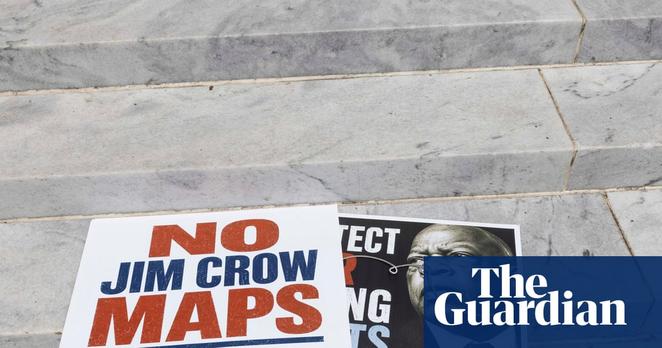
 Nonilex
 tsutrav ⁂
 Skwerlgyrl
  🐿️
🐿️ brosnung
 NWS Birmingham (bot)
 KillBait News
 KillBait