Did you know not all #kombu are the same?
Kombu are #Japanese seaweeds essential for making dashi, the base broth of #Japanese cuisine. At Ikiya, we only offer natural, wild kombu directly from #Hokkaido. Each type has unique characteristics and ideal uses. Let’s explore the differences, and some key Japanese culinary terms!

#JapaneseIngredients #Food #JapaneseCuisine #Dashi #Ikiya #Kaiseki #TraditionalFood

1 / 5
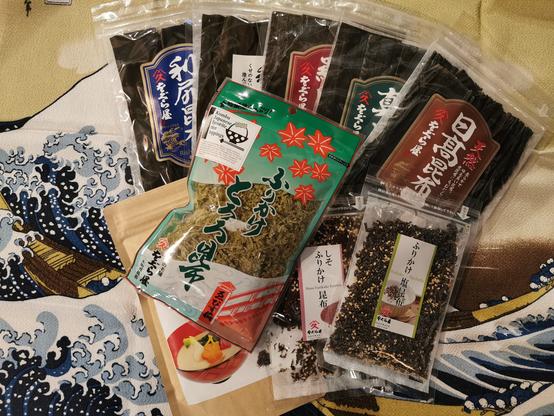
1️⃣ Ma kombu (Hakodate, southern Hokkaido): the most produced in Japan. Thick and wide, it creates a clear, umami-rich dashi with a hint of natural sweetness. Ideal for noodle soups and nimono (simmered dishes where ingredients like vegetables, fish, or tofu are gently cooked in dashi until tender and flavorful).

2 / 5

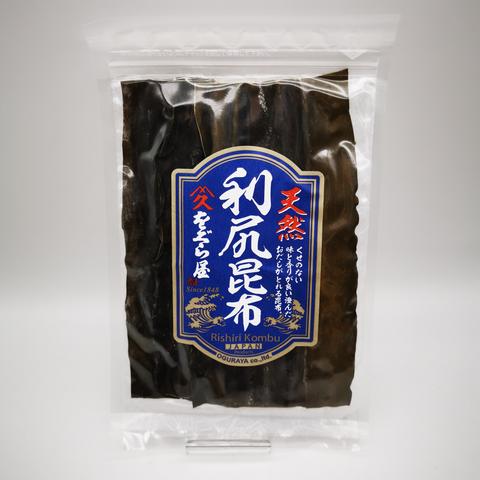
2️⃣ Rishiri kombu (Rishiri Island, northern Hokkaido): firmer and more compact. Loved by chefs for its clear, delicate, and elegant dashi that doesn’t overpower flavors. Perfect for kaiseki, Japan’s high cuisine, a multi-course meal that emphasizes seasonality, balance, and artistic presentation. Each dish in kaiseki is a work of art!

3 / 5

3️⃣ Rausu kombu (premium, 23-step process): Produces a rich, aromatic, and deeply umami dashi. Ideal for noodle soups and nimono.
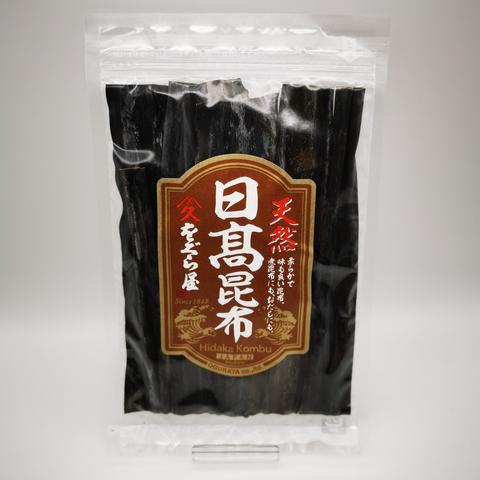
4️⃣ Hidaka kombu (7-8m ribbon-like): Soft and quick to cook. Versatile: perfect for dashi, oden (a comforting winter hot pot with fish cakes, daikon, and eggs), kombu maki (seaweed rolls), and tsukudani (seaweed or vegetables simmered in soy sauce, mirin, and sugar).

4 / 5

Each kombu type brings its own magic to Japanese cooking.
Which one have you tried? Or which dish would you love to make with them?
Share your thoughts!

5 / 5